Vilnius, the capital of Lithuania, has steadily built a reputation as one of Central and Eastern Europe's more dynamic cultural centers. The city draws artists, designers, architects, and musicians from across the region, contributing to a creative ecosystem that spans both established institutions and emerging independent spaces.
A City Shaped by History and Reinvention
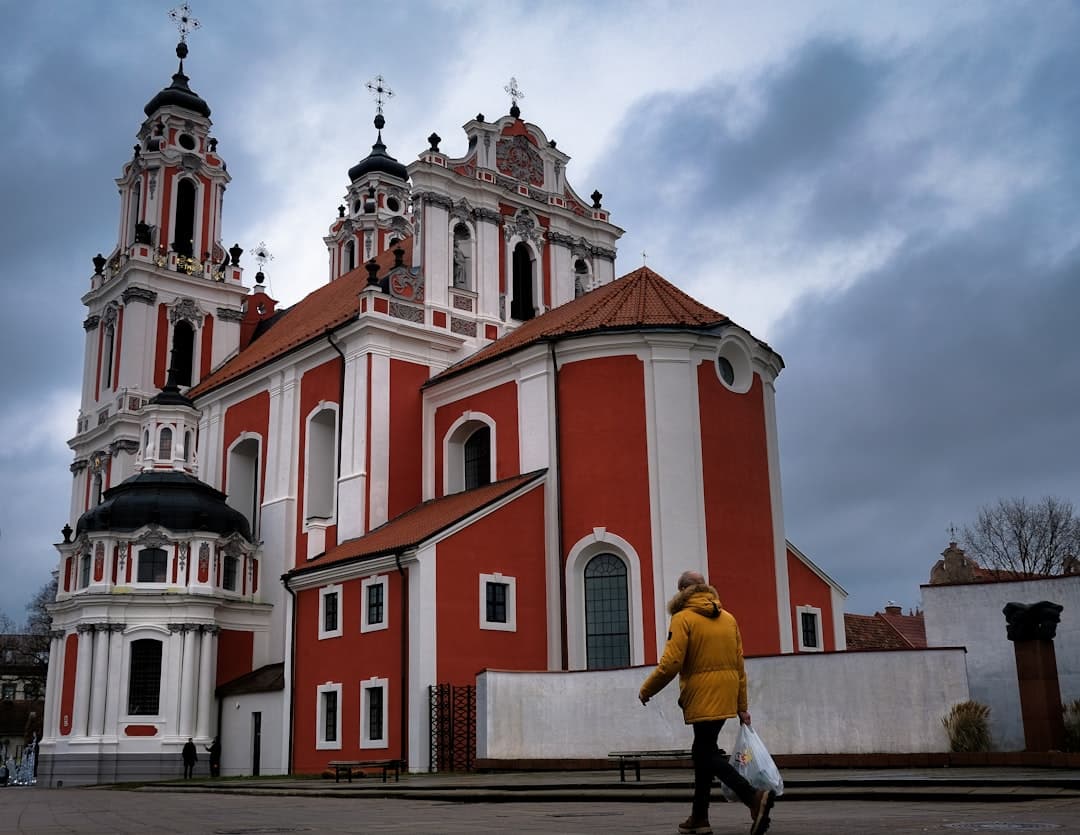
Vilnius carries a layered architectural and cultural identity, shaped by centuries of Lithuanian, Polish, Jewish, and Soviet-era influences. Following Lithuania's restoration of independence in 1990, the city began a long process of cultural reclamation and reinvention. That process has accelerated in recent decades, with public investment in cultural infrastructure and growing international interest in Lithuanian creative output.
The Vilnius Old Town, inscribed on the UNESCO World Heritage List, provides a distinctive urban fabric that continues to attract cultural programming, gallery openings, and public art initiatives. Beyond the historic center, neighborhoods such as Užupis — a self-declared artistic republic with its own symbolic constitution — have become internationally recognized symbols of the city's unconventional creative spirit.
Design, Film, and the Performing Arts
Lithuania has produced internationally recognized figures in contemporary dance, cinema, and visual arts. The country's film industry has gained visibility at major European festivals, while Lithuanian design and fashion have attracted attention at regional trade events. Vilnius has also functioned as a venue for significant classical music and opera productions, supported by the Lithuanian National Opera and Ballet Theatre.
The city's annual calendar includes festivals dedicated to contemporary art, street performance, and interdisciplinary work, drawing visitors from neighboring Baltic states and further afield in Europe.
European Context and Connectivity
Lithuania's membership in the European Union has facilitated cultural funding streams and cross-border collaboration. Vilnius has participated in various EU cultural programs, linking Lithuanian institutions with counterparts across the continent and reinforcing the city's position within broader European cultural networks.
Open Questions
Whether Vilnius can sustain long-term cultural investment amid regional economic pressures, and how the city will balance tourism growth with the preservation of authentic local creative communities, remain subjects of ongoing discussion among urban planners and cultural policymakers.
Sources: UNESCO World Heritage List, Lithuanian National Opera and Ballet Theatre (lnobt.lt), European Commission Culture Programs, Visit Vilnius (vilnius-tourism.lt)
This article is based on a verified primary source. The text was editorially reviewed and fact-checked prior to publication.