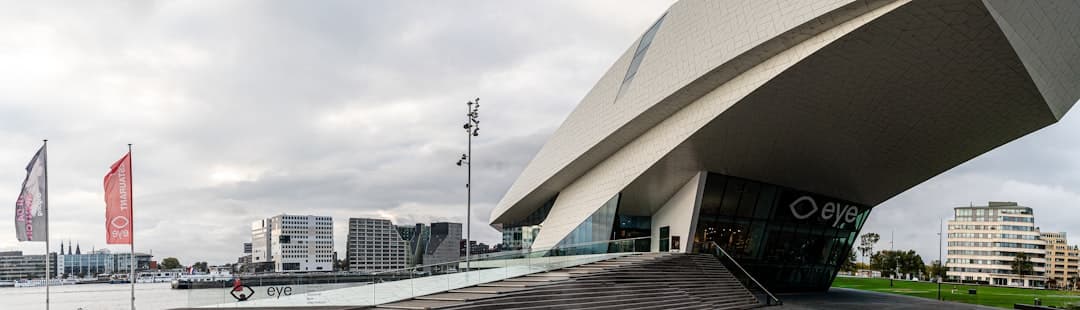
Across the Netherlands, design is treated as something closer to civic infrastructure than aesthetic indulgence. The country's approach to shaping the built environment — from the iconic canal house facades of Amsterdam to the modernist social housing projects of Rotterdam — reflects a deeply embedded cultural philosophy that form and function are inseparable.
A Tradition Rooted in Practicality
The Dutch design tradition draws heavily from the early twentieth century De Stijl movement, which produced figures such as Piet Mondrian and architect Gerrit Rietveld. Their principles — geometric abstraction, primary colors, and structural clarity — continue to influence contemporary designers working across furniture, fashion, and digital media. Institutions such as the Design Academy Eindhoven have helped sustain this lineage by producing graduates who regularly gain international recognition.
Design as Public Policy
The Dutch government has historically integrated design thinking into public sector initiatives, including transportation systems, water management infrastructure, and urban development. The approach treats professional designers as collaborators in governance rather than consultants brought in after key decisions have been made. This model has attracted attention from urban planners and policymakers in other European countries.
Annual Events and International Reach
Dutch Design Week, held annually in Eindhoven, stands as one of the largest design events in Northern Europe, drawing participants and visitors from across the continent and beyond. The event serves as both a showcase for emerging talent and a forum for debate on the role of design in addressing social and environmental challenges.
Museums such as the Stedelijk in Amsterdam and the Cube Design Museum in Kerkrade maintain permanent collections that document the breadth of Dutch design history, ensuring that access to this heritage remains open to the general public.
Open Questions
As design increasingly intersects with artificial intelligence and digital fabrication, observers are watching whether Dutch institutions can adapt their traditional emphasis on craft and conceptual rigor to rapidly shifting technological conditions. Whether the country's design education model will require structural reform to remain globally competitive is a question that academic and industry circles continue to debate.
Sources: Design Academy Eindhoven (designacademy.nl), Dutch Design Week (dutchdesignweek.nl), Stedelijk Museum Amsterdam (stedelijk.nl), Cube Design Museum (cubedesignmuseum.nl), Het Nieuwe Instituut (hetnieuweinstituut.nl)
This article is based on a verified primary source. The text was editorially reviewed and fact-checked prior to publication.