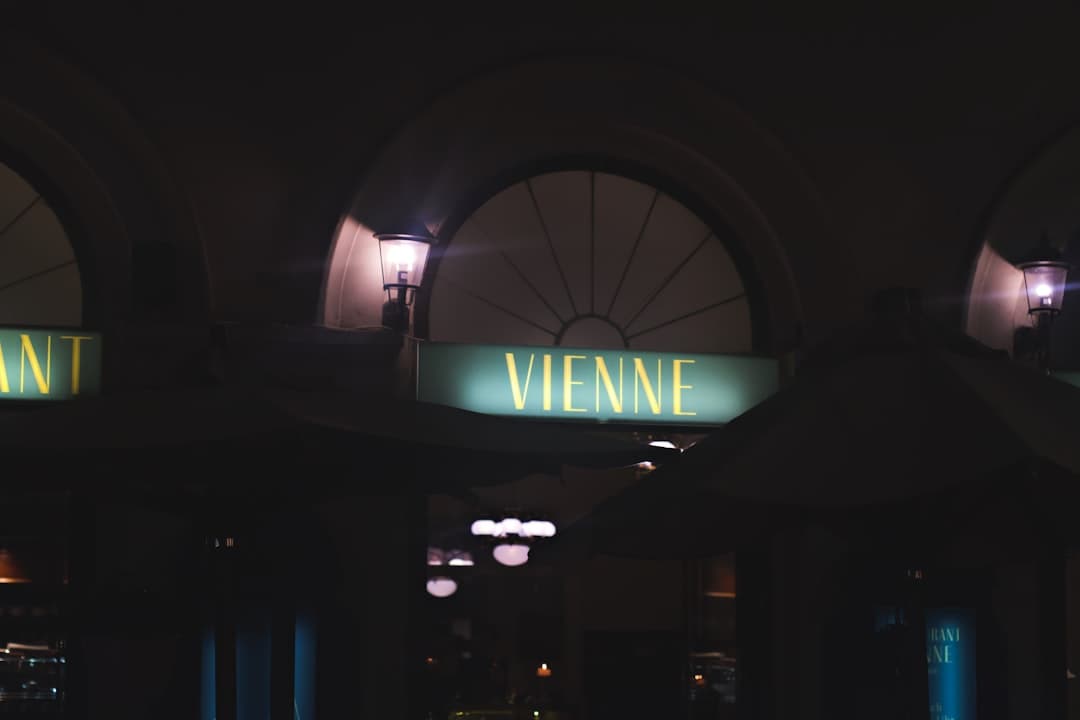
Few cities in Europe carry the cultural weight that Vienna does. From its imperial concert halls to its network of contemporary galleries, the Austrian capital maintains a dual identity — one foot planted firmly in its Baroque and Classical past, the other stepping into modern creative territory.
A Legacy Built in Stone and Sound
Vienna's musical heritage is anchored by institutions that have operated continuously for generations. The Vienna Philharmonic, founded in the nineteenth century, remains among the most recognized orchestral ensembles in the world. The Vienna State Opera, located on the Ringstraße, stages hundreds of performances annually and attracts audiences from across the globe. Both organizations are regularly cited in international cultural rankings as benchmark institutions for classical performance.
The city's association with composers including Mozart, Beethoven, Schubert, Brahms, and Mahler has shaped its cultural identity in ways that continue to influence programming, education, and tourism across the region.
Contemporary Voices Alongside Classical Foundations
Vienna's art scene extends well beyond its historical collections. The MuseumsQuartier, one of the largest cultural complexes in the world by area, houses institutions dedicated to modern and contemporary art, including the Leopold Museum and the Museum of Modern Art Ludwig Foundation Vienna, known as mumok. These venues host rotating international exhibitions alongside their permanent collections.
Younger artists and independent cultural organizations have also established a visible presence in districts such as the seventh and fifteenth, where studio spaces, independent galleries, and performance venues operate alongside established institutions.
Cultural Policy and Funding
Austria's federal and municipal governments allocate substantial funding to cultural infrastructure, a policy that has historically supported both preservation and innovation. Vienna's position as a UNESCO Creative City of Music reflects formal international recognition of its sustained contributions to the field.
Visitors and residents alike have consistent access to a calendar of festivals, exhibitions, and performances that spans genres and disciplines throughout the year.
Open Questions
How are Vienna's cultural institutions adapting their programming to engage younger and more diverse audiences? To what extent is the city's contemporary arts sector financially independent from public subsidy?
Sources: Vienna Philharmonic official history, Vienna State Opera institutional records, MuseumsQuartier Wien, mumok, UNESCO Creative Cities Network, Austrian Federal Ministry for Arts and Culture.
This article is based on a verified primary source. The text was editorially reviewed and fact-checked prior to publication.


