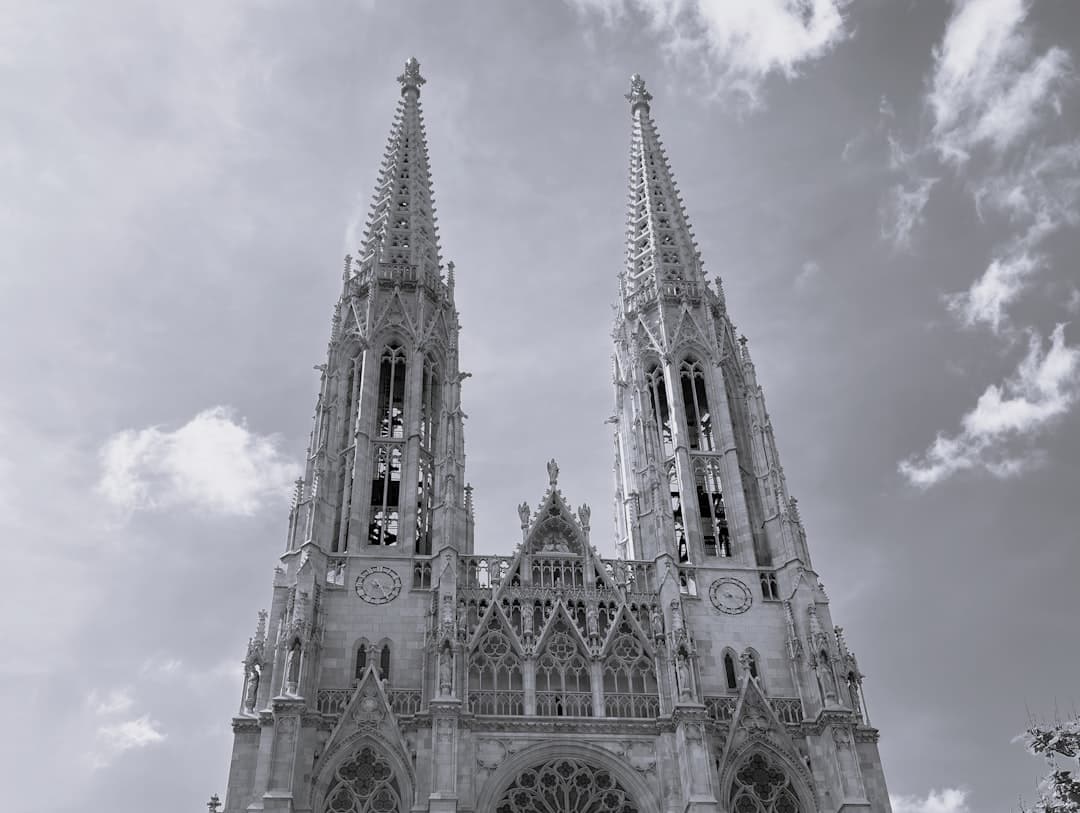
Germany's major urban centers occupy a distinctive position in European life — cities where Roman fortifications, Gothic cathedrals, and Baroque palaces share skylines with glass-fronted research institutes and technology campuses. This layering of eras is visible across the country's geography, from the Rhine valley to the Baltic coast.
Cities Shaped by Centuries of Trade and Conflict
Cities such as Cologne, Nuremberg, and Lübeck carry physical records of their Hanseatic and Holy Roman Empire origins. Cologne's cathedral, a UNESCO World Heritage Site, took over six centuries to complete and remains one of the most visited landmarks in Central Europe. Nuremberg, a former seat of imperial diets, rebuilt significant portions of its medieval old town following extensive damage during the Second World War. These reconstructions have themselves become part of the historical record.
Berlin presents a distinct case. Divided for nearly three decades during the Cold War, the city carries visible traces of that partition alongside monuments spanning Prussian, Weimar, Nazi, and postwar periods. The German capital has also emerged as one of Europe's most active startup ecosystems, drawing entrepreneurs and technology investment from across the continent.
Innovation Districts Take Root in Historic Fabric
Munich balances its role as a center of automotive and aerospace engineering with a preserved old town centered on the Marienplatz. Hamburg, Germany's largest port city, has transformed its historic Speicherstadt warehouse district — also a UNESCO site — into a media and design quarter while maintaining the district's nineteenth-century brick architecture.
Frankfurt, seat of the European Central Bank and a major financial hub, places its dense cluster of modern high-rises within walking distance of the reconstructed Römerberg, the city's medieval civic heart. The contrast has made Frankfurt one of the more visually striking examples of Germany's broader urban pattern.
Across these cities, municipal governments have maintained preservation frameworks that require new construction to meet heritage guidelines in designated zones, a policy approach that has shaped the physical character of German urban development over several generations.
Open Questions
How cities balance the costs of heritage preservation with the demands of housing and infrastructure expansion remains an active area of policy debate. The long-term effects of large-scale tourism on historic districts also continue to draw scrutiny from urban planners and conservation bodies.
Sources: UNESCO World Heritage List; European Central Bank institutional records; German Federal Government cultural heritage documentation; public municipal planning frameworks.
This article is based on a verified primary source. The text was editorially reviewed and fact-checked prior to publication.