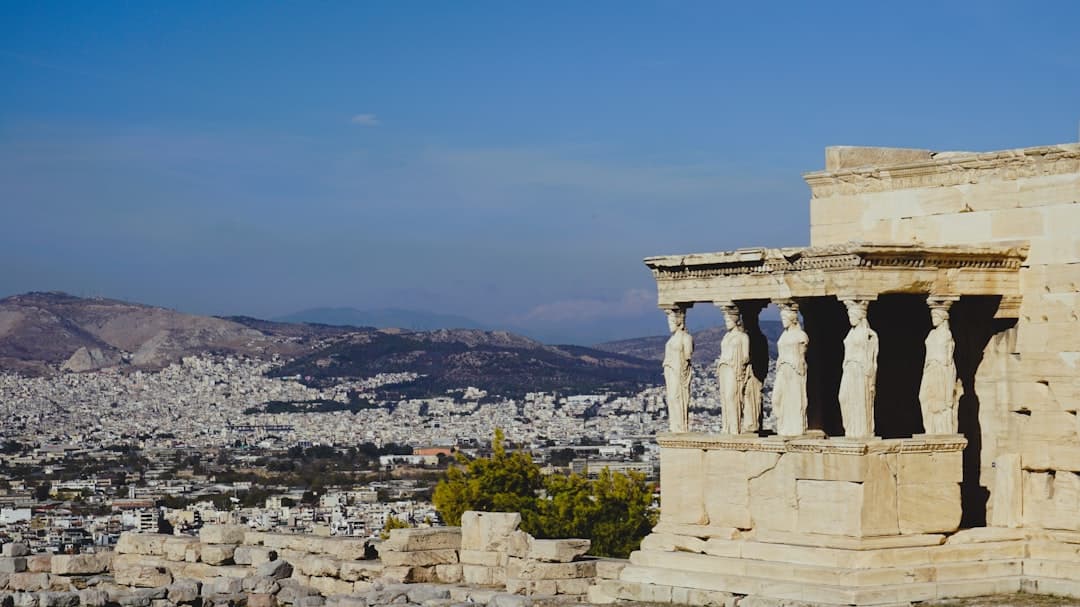
Greece occupies a unique position in the cultural landscape of Europe, its modern society interwoven with customs, arts, and rituals that trace their origins to antiquity and the Byzantine period. Far from remaining confined to museums or academic study, many of these traditions continue to be practiced in homes, village squares, and urban neighborhoods across the country.
Religious Festivals as Community Anchors
The Greek Orthodox calendar shapes much of the country's cultural rhythm throughout the year. Celebrations such as Easter — known locally as Pascha — involve elaborate liturgical ceremonies, communal meals, and regional customs that vary significantly from island to island and region to region. These events function as primary occasions for the transmission of religious and social values from older to younger family members.
Folk Music and Dance
Traditional Greek music, which encompasses distinct regional styles including Cretan lyra music, Epirus polyphonic singing, and island melodies, continues to be performed at local festivals and family gatherings. Organizations across Greece, as well as in diaspora communities throughout Europe, North America, and Australia, operate dance schools and music workshops dedicated specifically to preserving these forms. UNESCO has recognized elements of Greek intangible heritage, including certain musical traditions, within its broader acknowledgment of Mediterranean cultural practices.
Culinary Heritage and Craft
Greek cuisine, designated as part of the broader Mediterranean diet recognized by UNESCO in 2010, remains deeply tied to seasonal rhythms, regional ingredients, and family preparation methods. Similarly, traditional crafts such as pottery, weaving, and iconography continue to be practiced by artisans in regions including Crete, the Dodecanese, and the Peloponnese.
Younger Generations and Cultural Continuity
Educational programs in Greek schools incorporate traditional arts, history, and religious studies as core components of the national curriculum. Cultural associations and municipal governments across the country actively fund festivals, workshops, and apprenticeship programs aimed at engaging younger citizens with their heritage.
Open Questions
How does urbanization and migration affect the regional specificity of Greek traditions over time? To what extent do diaspora communities diverge from or reinforce practices maintained within Greece itself?
Sources: UNESCO Intangible Cultural Heritage Lists; Greek Ministry of Culture and Sports; Hellenic Republic official cultural documentation; Mediterranean diet UNESCO designation records (2010).
This article is based on a verified primary source. The text was editorially reviewed and fact-checked prior to publication.