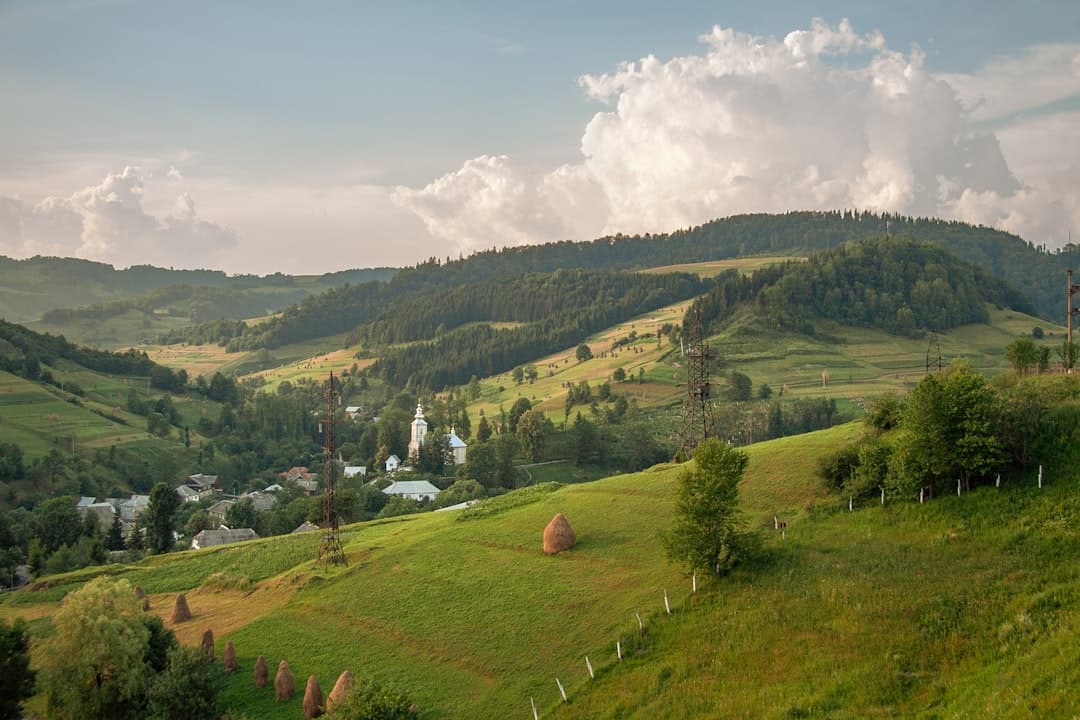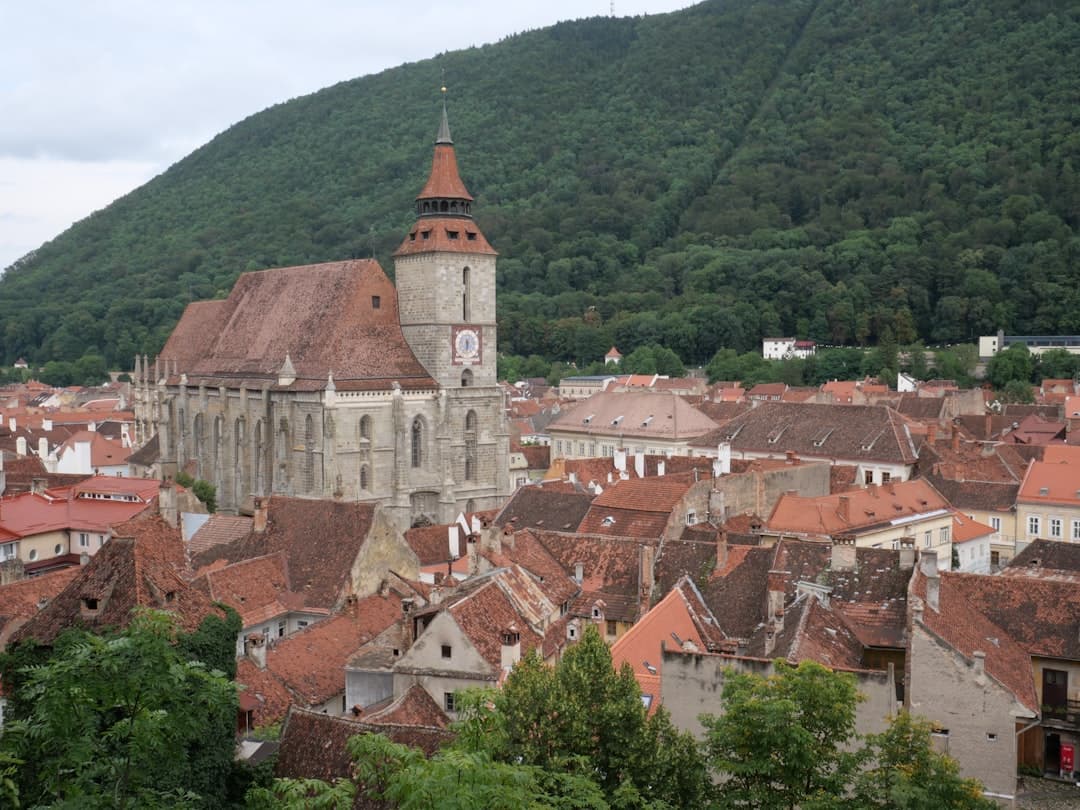
Scattered across the rolling hills of central Romania, the Saxon villages of Transylvania represent one of Central Europe's most intact examples of medieval rural architecture. Founded by German-speaking settlers who arrived in the 12th century at the invitation of Hungarian kings, these communities built fortified churches, walled farmsteads, and compact village layouts that have survived largely intact across the centuries.
A Landscape Shaped by Centuries of Isolation
Villages such as Viscri, Biertan, and Câlnic each contain fortified churches recognized by UNESCO as World Heritage Sites. The designation reflects not only architectural significance but also the degree to which the surrounding agricultural landscape has resisted industrialization. Hay meadows are still cut by hand in many areas, and traditional land management practices continue to support biodiversity levels rarely found elsewhere in Europe.
The relative absence of large-scale tourism infrastructure in the region means that access to many villages depends on navigating unpaved roads or walking between settlements along marked trails. This friction, while a logistical challenge for some visitors, functions as a filter that preserves the character of the communities themselves.
Slow Travel as a Functional Framework
The concept of slow travel — prioritizing extended stays and local engagement over a checklist of sights — aligns naturally with the Saxon villages' geography and pace. Guesthouses operated within restored Saxon farmhouses provide accommodation in several villages, with Viscri among the better-known examples. Such facilities often connect guests directly with local farmers, craftspeople, and conservation projects.
Conservation organizations operating in the region, including the Mihai Eminescu Trust, have worked for decades to restore Saxon architectural heritage and support sustainable rural livelihoods. Their efforts have helped position the area as a reference point for heritage-led rural tourism in Eastern Europe.
Romania's accession to the European Union in 2007 brought infrastructure investment to parts of the country, but the Saxon village corridor has seen comparatively limited development pressure, a circumstance that continues to define its appeal.
Open Questions
Whether growing visitor numbers will eventually strain the conservation frameworks that protect these villages remains an open question for regional planners and heritage bodies alike.
Sources: UNESCO World Heritage List; Mihai Eminescu Trust (met.org.uk); Council of Europe rural heritage documentation; European Commission Romania country reports.
This article is based on a verified primary source. The text was editorially reviewed and fact-checked prior to publication.