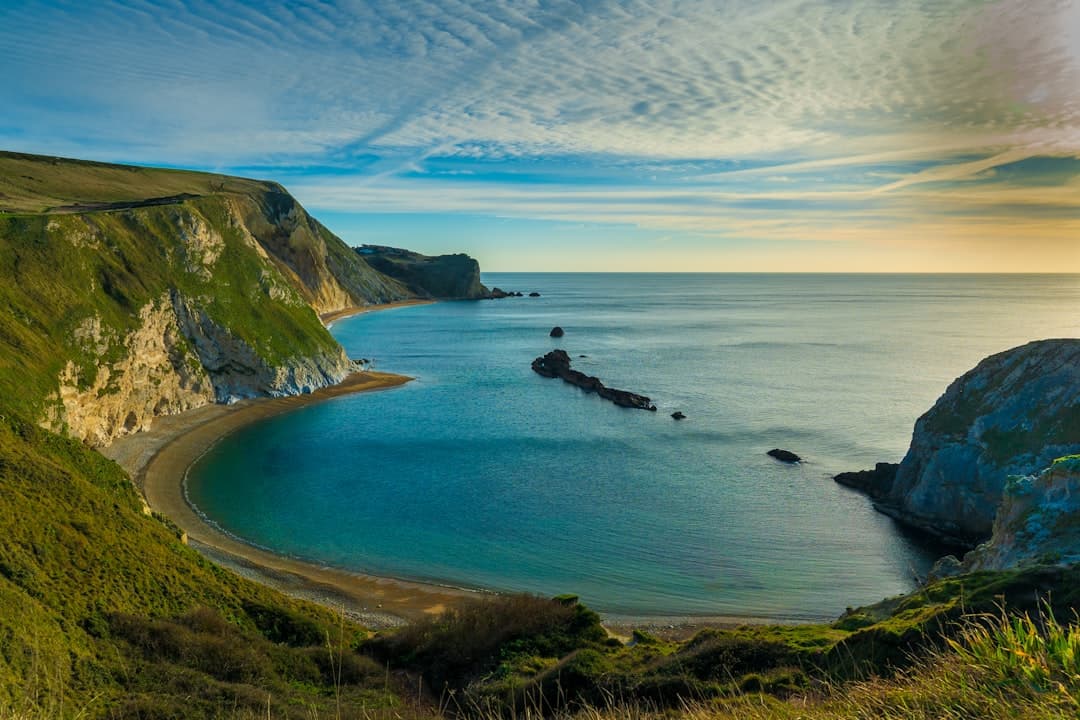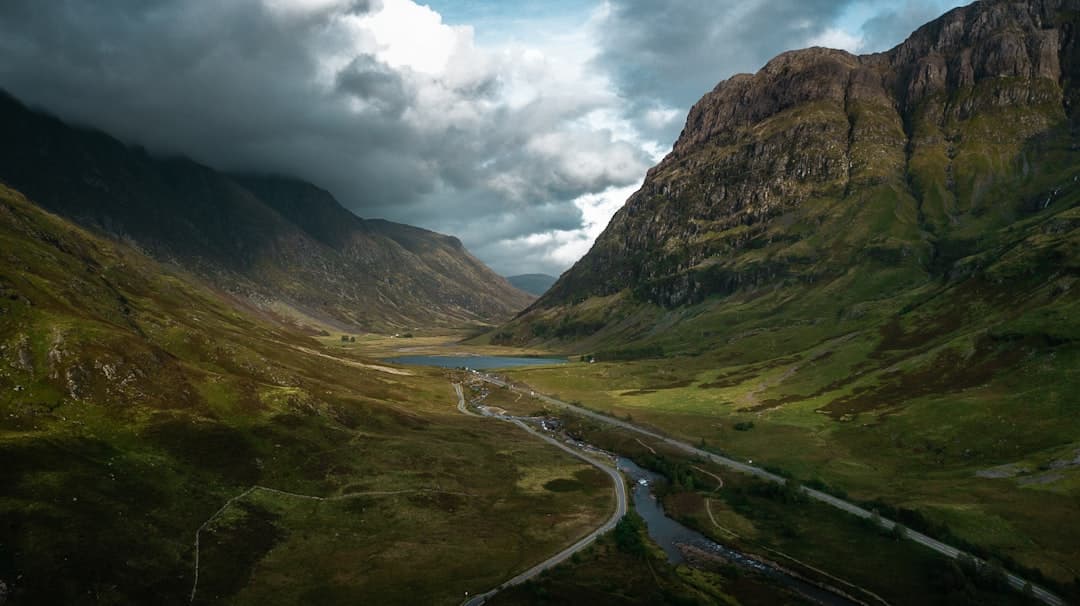
Scotland's Highlands, stretching across the northern reaches of the British mainland, have become a significant driver of inbound tourism to the United Kingdom. The region's rugged terrain, ancient castles, and storied whisky distilleries attract visitors from across Europe, North America, and beyond, contributing substantially to the broader UK economy.
Landscape and Heritage as Core Attractions
The Highlands encompass some of the most recognisable natural scenery in the British Isles. Loch Ness, Ben Nevis — the highest peak in the UK — and the Cairngorms National Park form a cluster of destinations that appear consistently on international travel itineraries. The region's association with Scottish clan history and Gaelic culture adds a layer of heritage tourism that distinguishes it from many other European rural destinations.
The North Coast 500, a scenic driving route circling the northern Highlands, has drawn comparisons to established European road tourism trails and has helped extend visitor stays beyond traditional urban hubs such as Edinburgh and Glasgow.
Infrastructure and Accessibility
Improved transport links, including rail services and regional airports, have made the Highlands more accessible to international travellers. Inverness, the region's main city, serves as a gateway for visitors arriving by air or train, distributing tourism activity into surrounding rural areas and smaller communities.
The Scottish Government and VisitScotland, the national tourism agency, have both identified the Highlands as a priority area for sustainable tourism development. Efforts focus on managing visitor numbers at high-traffic sites while encouraging exploration of less frequented locations across the region.
Broader Impact on UK Tourism
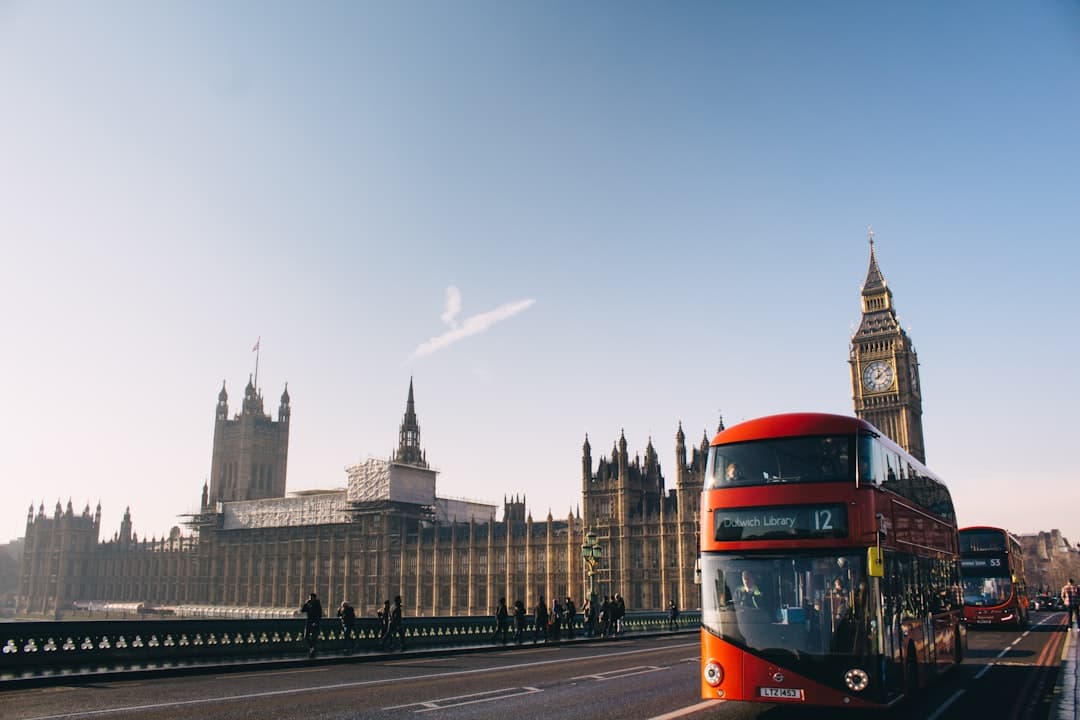
The Highlands contribute to a broader narrative positioning the UK as a destination with varied regional identities. While London remains the single largest draw for international arrivals, Scotland's distinct cultural and natural offer provides an alternative itinerary that encourages longer stays and higher per-visitor spending across the country as a whole.
Open Questions
Whether current infrastructure investment will keep pace with rising visitor demand, and how the region will balance economic growth with environmental preservation, remain subjects of ongoing discussion among policymakers and the tourism industry.
Sources: VisitScotland (visitscotland.com), VisitBritain (visitbritain.org), Cairngorms National Park Authority (cairngorms.co.uk), The North Coast 500 (northcoast500.com)
This article is based on a verified primary source. The text was editorially reviewed and fact-checked prior to publication.