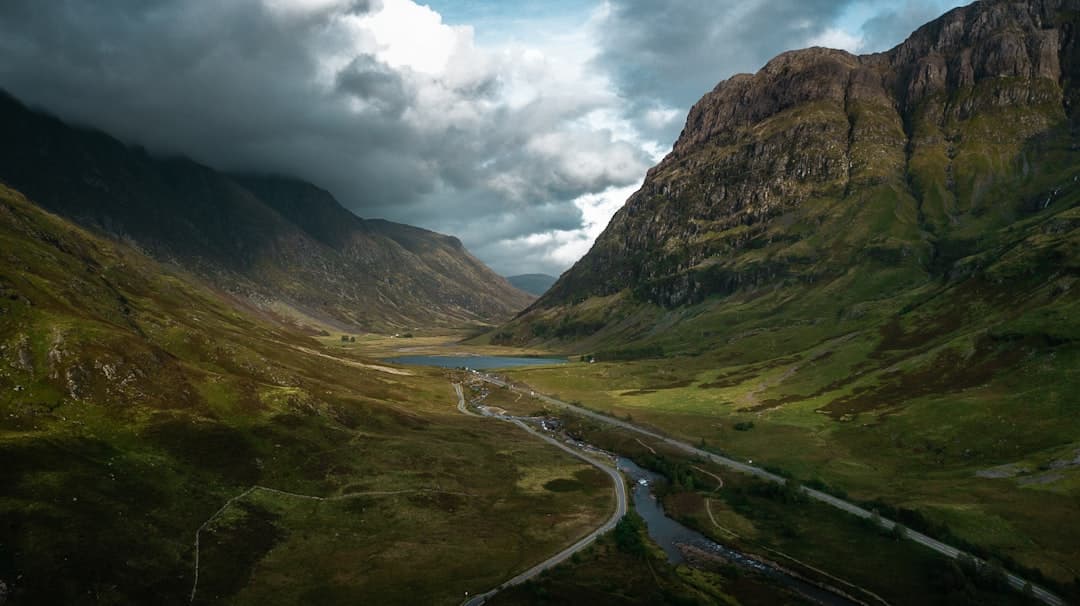
Britain's extensive passenger rail network connects London to a wide range of destinations that receive considerably less international attention than the capital, from the rugged landscapes of the Scottish Highlands to the cathedral cities of the English Midlands and the coastal villages of Cornwall and Wales.
A Network Built for Exploration
National Rail services, along with regional operators such as ScotRail, Transport for Wales, and Avanti West Coast, provide links to destinations across the island that are otherwise difficult to reach without a car. Routes such as the West Highland Line in Scotland and the Settle–Carlisle Line in northern England are recognised for passing through some of Britain's most dramatic scenery, and both carry scheduled passenger services throughout the year.
Cities including York, Bath, Edinburgh, Cardiff, and Chester are directly accessible by intercity rail from London and from one another, each holding UNESCO World Heritage Sites or significant architectural heritage. The journey times on many of these routes have been reduced following infrastructure investment in recent decades, making day or weekend trips viable for domestic and international travellers alike.
Regional Tourism and Rail Passes
BritRail passes, available to non-UK residents, allow unlimited travel across the national network for set periods and are distributed through licensed agents internationally. These passes are structured to encourage travel beyond major hubs, covering rural branches and scenic routes that standard point-to-point ticketing may make less economical.
Regional tourism bodies in areas such as the Lake District, the Yorkshire Dales, and Pembrokeshire have developed itineraries built around rail access, often in coordination with local bus connections at journey endpoints. The practical combination of train and local transport has been promoted as a lower-carbon alternative to driving, particularly for visitors arriving from continental Europe via Eurostar services through the Channel Tunnel.
Britain's rail geography reflects the country's industrial history, with lines originally laid during the nineteenth century now serving as corridors into landscapes and communities that retain a character distinct from the metropolitan south.
Open Questions
Whether planned rail upgrades under ongoing government infrastructure reviews will further reduce journey times to northern and western regions remains subject to legislative and budgetary decisions that have not yet been finalised.
Sources: National Rail (nationalrail.co.uk), BritRail (britrail.com), ScotRail (scotrail.co.uk), Transport for Wales (tfw.wales), VisitBritain (visitbritain.com)
This article is based on a verified primary source. The text was editorially reviewed and fact-checked prior to publication.