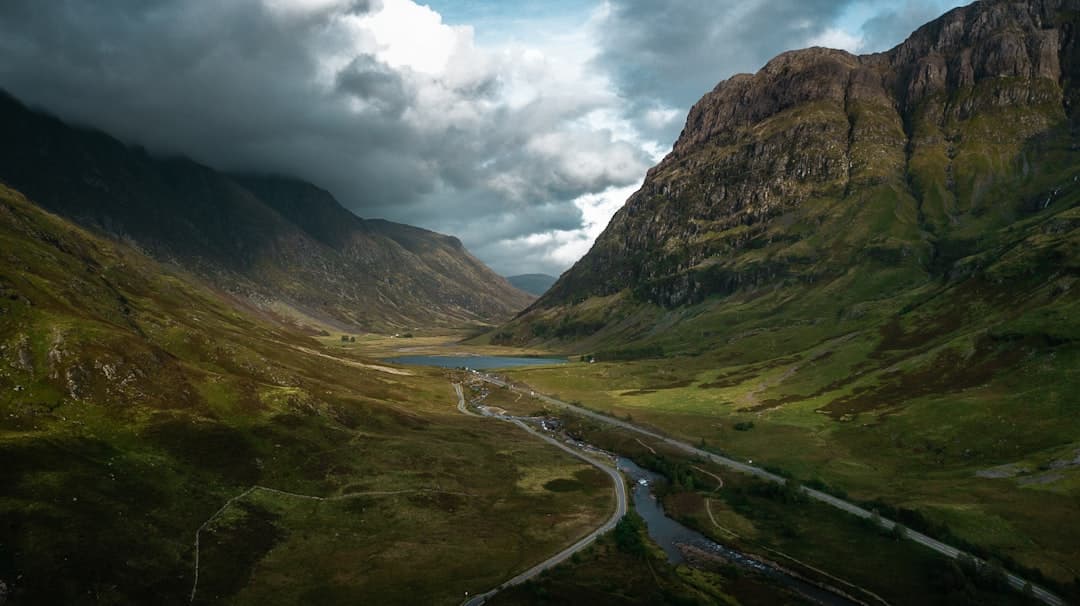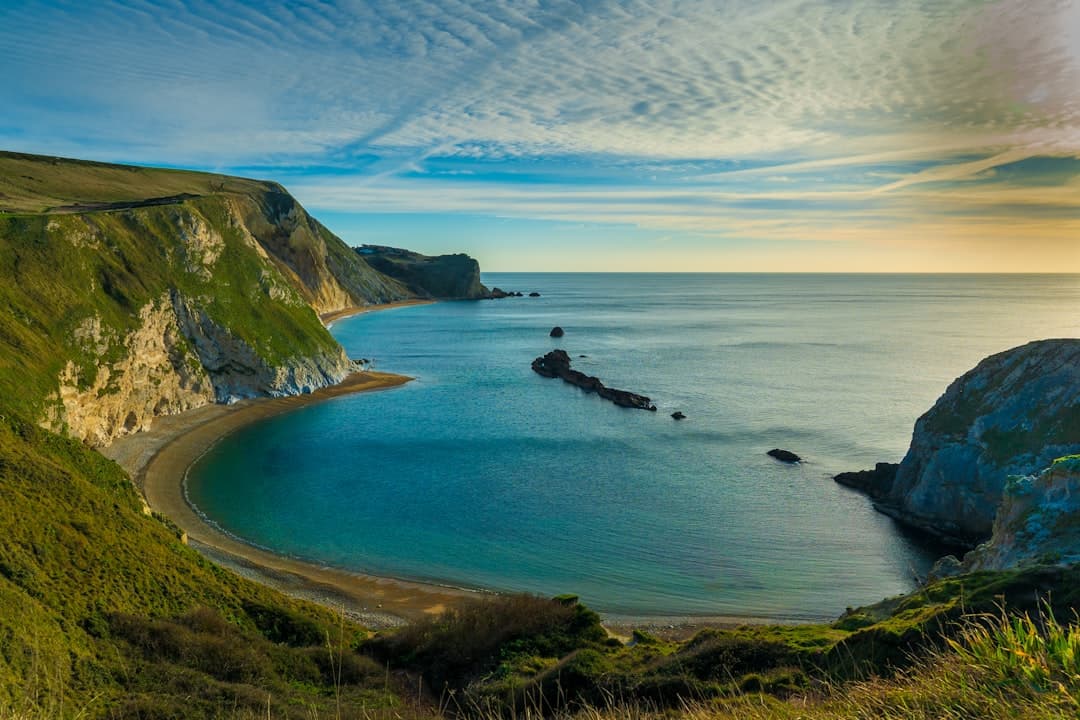
The United Kingdom maintains 15 national parks across England, Scotland, and Wales, each designated to protect distinctive landscapes while remaining open to public recreation. These areas collectively cover a substantial portion of the country's land mass and attract visitors from across Europe, North America, Asia, and beyond.
A Network Built for Access
Unlike some national park systems globally, the UK's designated parks are not uninhabited wilderness zones. Many contain villages, working farms, and historic sites, offering international visitors a layered experience that combines natural scenery with local culture. The Lake District in northwest England, a UNESCO World Heritage Site, draws walkers and climbers to its fells and glacial lakes. Scotland's Cairngorms National Park, the largest in the UK by area, offers year-round outdoor pursuits including skiing, hiking, and wildlife observation.
Diverse Terrain Across the Regions
Snowdonia National Park in Wales provides dramatic mountainous terrain, including the ascent of Snowdon, the highest peak in Wales. The Peak District, located between Manchester and Sheffield, is frequently cited as one of the most visited national parks in Europe due to its proximity to major urban centres and well-maintained trail networks. Dartmoor in Devon offers a contrasting moorland environment with ancient archaeological sites and open grazing land.
Infrastructure and Connectivity
Many of the UK's national parks are reachable by public transport, a factor that differentiates them from wilderness destinations requiring private vehicle access. Visitor centres, waymarked trails, and accommodation ranging from campsites to historic inns support extended stays. National park authorities operate under a statutory duty to promote public enjoyment alongside conservation, creating a managed balance between tourism and environmental protection.
Growing International Profile
Tourism bodies in Scotland, Wales, and England have increasingly promoted national park destinations to international audiences, aligning outdoor tourism strategies with broader sustainability goals. The parks feature regularly in European travel media and have gained visibility through hiking, cycling, and wildlife-focused travel platforms that cater to adventure-oriented audiences worldwide.
Open Questions
Whether rising visitor numbers will pressure park authorities to introduce access restrictions, and how post-Brexit visa arrangements affect European footfall in rural tourism regions, remain areas of ongoing policy discussion.
Sources: UK National Parks official network (nationalparks.uk), UNESCO World Heritage List, Visit Britain, NatureScot, Natural Resources Wales
This article is based on a verified primary source. The text was editorially reviewed and fact-checked prior to publication.