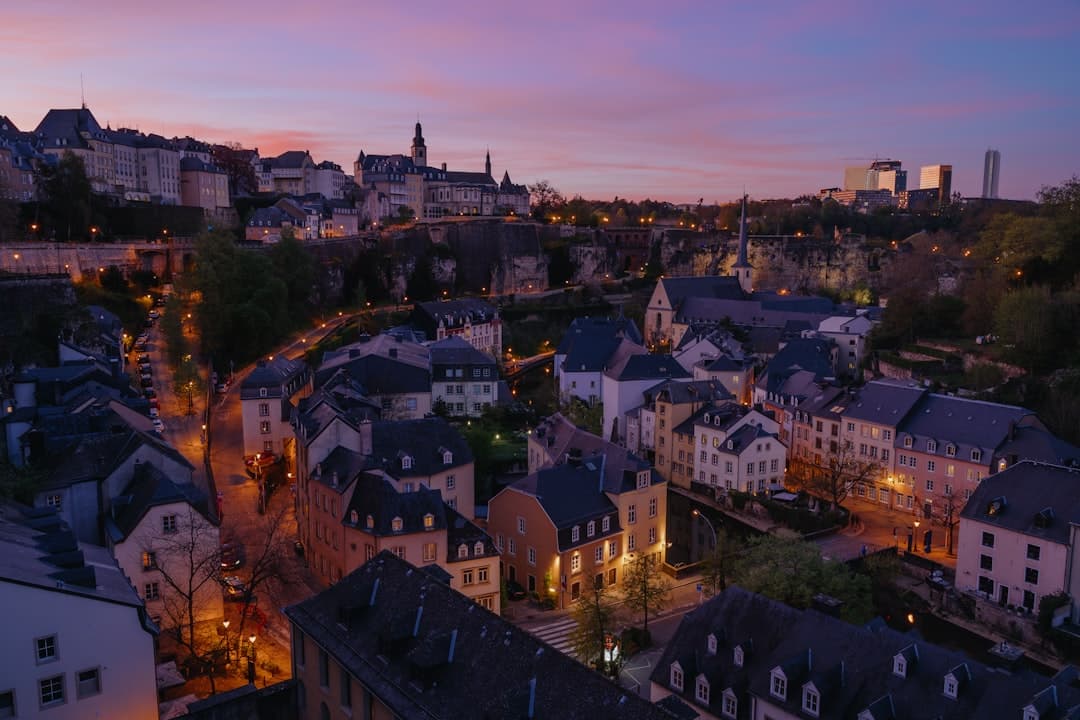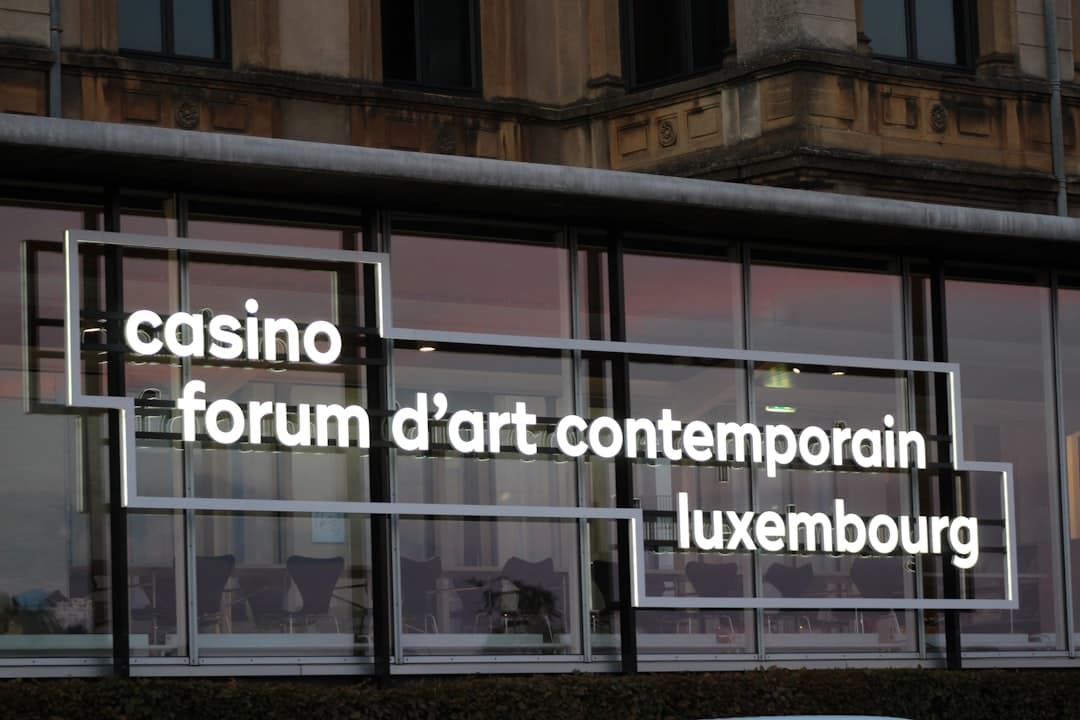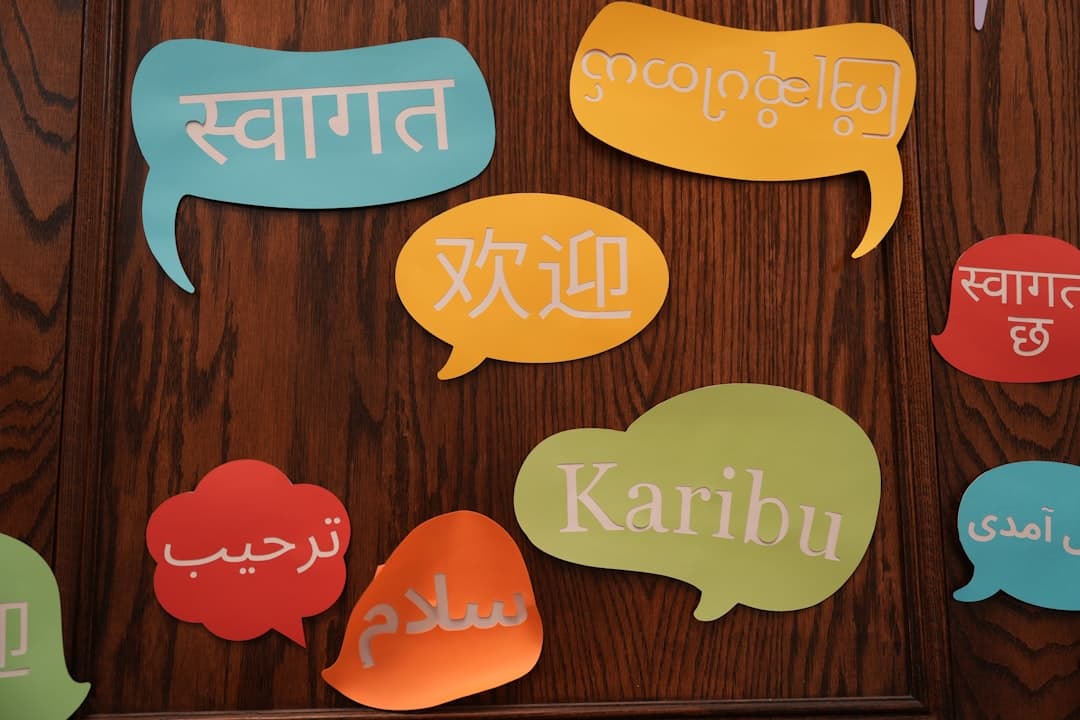
Nestled between Belgium, France, and Germany, the Grand Duchy of Luxembourg has developed a national identity inseparable from its multilingual character. The country officially recognizes three languages — Luxembourgish, French, and German — each carrying distinct roles in public life, administration, and education.
A Structured Language Hierarchy
Luxembourgish, known locally as Lëtzebuergesch, functions as the national language and the primary tongue of everyday conversation among citizens. French serves as the dominant language of legislation and the judiciary, while German appears most prominently in the press and in early primary education. Children typically encounter all three languages during their schooling years, with instruction shifting between them depending on subject and grade level.
Cross-Border Workforce and Cultural Exchange
Luxembourg's workforce draws significantly from neighboring countries, with large communities of French, Belgian, German, and Portuguese residents living and working within its borders. This demographic reality reinforces multilingualism as a practical necessity rather than a purely symbolic commitment. Portuguese, though not an official language, is also widely spoken, reflecting decades of immigration that have further diversified the country's linguistic landscape.
Institutional and European Dimensions
As the seat of several major European Union institutions — including the Court of Justice of the European Union and the European Court of Auditors — Luxembourg operates within a broader multilingual European framework. The country's existing linguistic agility positions it naturally within EU institutional culture, where the management of multiple official languages is standard practice.
Luxembourgish as a Cultural Anchor
Despite the prominence of French and German in formal settings, Luxembourgish has gained legal recognition over the decades and is regarded as a marker of national belonging. Efforts to document, teach, and promote the language have grown, reflecting a broader interest in preserving a distinct cultural identity within an increasingly integrated European space.
Open Questions
How will growing migration patterns affect the balance between Luxembourg's three official languages over future generations? Can Luxembourgish maintain its role as a national cultural anchor as the resident foreign-born population continues to expand?
Sources: Luxembourg Government (gouvernement.lu), European Union institutional records, Council of Europe Language Policy Portal, Eurostat demographic data
This article is based on a verified primary source. The text was editorially reviewed and fact-checked prior to publication.