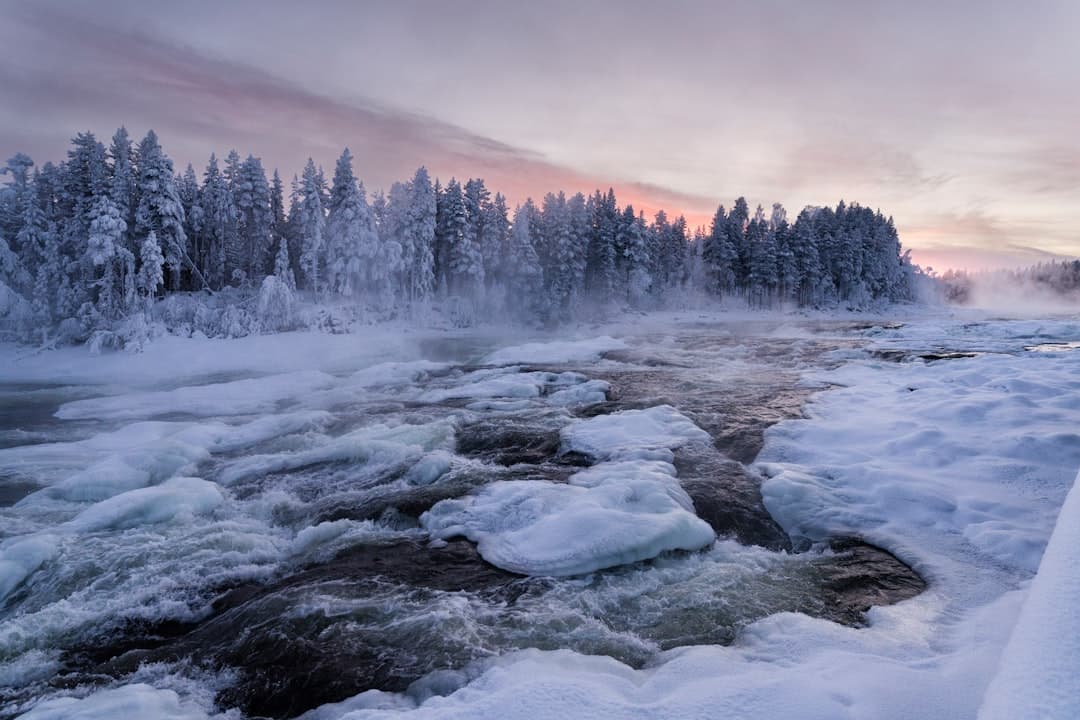
Sweden's Lapland region, stretching above the Arctic Circle in the country's far north, has long been associated with winter tourism centered on the Northern Lights and dog sledding. In recent years, however, the destination has drawn a broader range of visitors throughout the calendar year, with summer and autumn travel growing alongside the established winter season.
A Landscape Built for Multiple Seasons
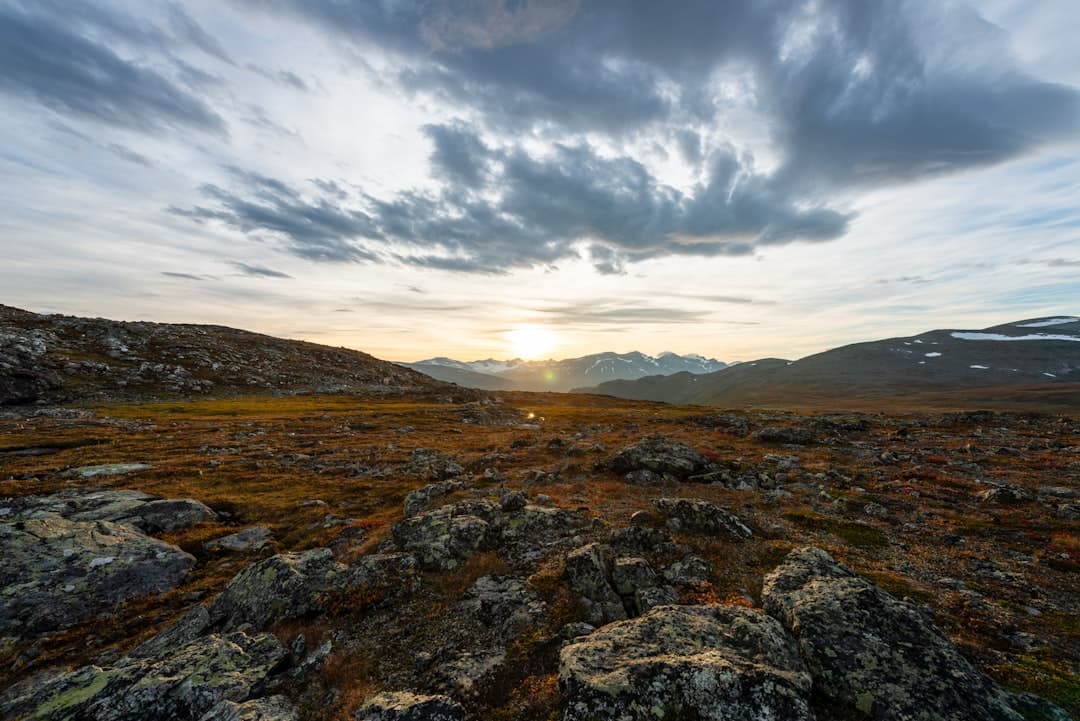
The region encompasses some of Europe's last remaining wilderness areas, including Sarek National Park and Abisko National Park. Abisko is recognized for its reliably low cloud cover, which makes it one of the more consistent locations in northern Europe for aurora observation. During summer, the same area experiences the midnight sun, a phenomenon that draws hikers, cyclists, and photographers seeking extended daylight hours in a remote setting.
The Kungsleden, or King's Trail, is a well-established long-distance hiking route running through the region. The trail attracts trekkers during the warmer months and cross-country skiers in winter, functioning as a year-round corridor through protected landscapes.
Infrastructure and Accessibility
Kiruna, Lapland's largest town, serves as a primary gateway to the region and is accessible by direct flights from Stockholm as well as by the Malmbanan railway line. The town itself has undergone a significant relocation project in recent years, as ground subsidence related to iron ore mining required large portions of the urban area to be physically moved. This project has drawn additional attention to the region beyond outdoor tourism.
Accommodation options in Swedish Lapland range from wilderness cabins maintained by the Swedish Tourist Association to purpose-built glass-roofed facilities designed for aurora viewing. The Icehotel in Jukkasjärvi, reconstructed annually from river ice, operates a permanent year-round section alongside its seasonal structure.
Environmental Considerations
Sweden's northern wilderness areas are subject to national park protections and Sámi indigenous land rights, both of which shape how visitor activity is managed. The Swedish Environmental Protection Agency oversees regulations governing access and conduct within protected zones.
Open Questions
How will projected changes in Arctic climate conditions affect the reliability of snow-dependent activities? What measures are regional authorities considering to balance tourism growth with the preservation of Sámi cultural heritage?
Sources: Swedish Tourist Association (STF), Swedish Environmental Protection Agency, Visit Swedish Lapland, Kiruna Municipality, UNESCO World Heritage documentation for Laponia Area
This article is based on a verified primary source. The text was editorially reviewed and fact-checked prior to publication.