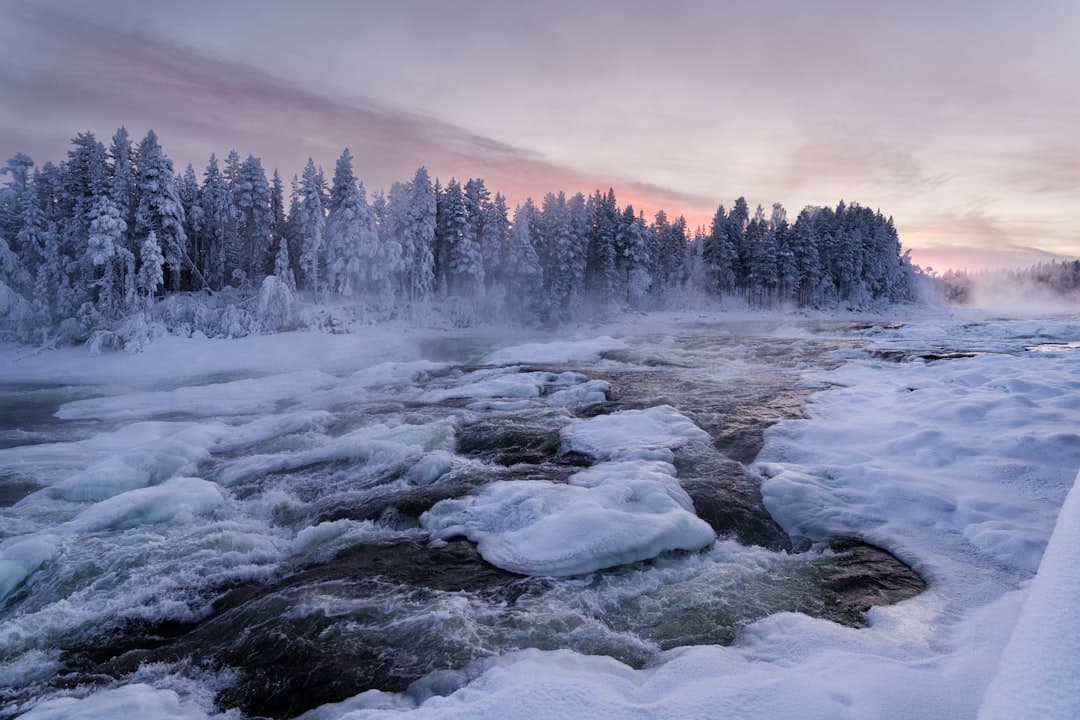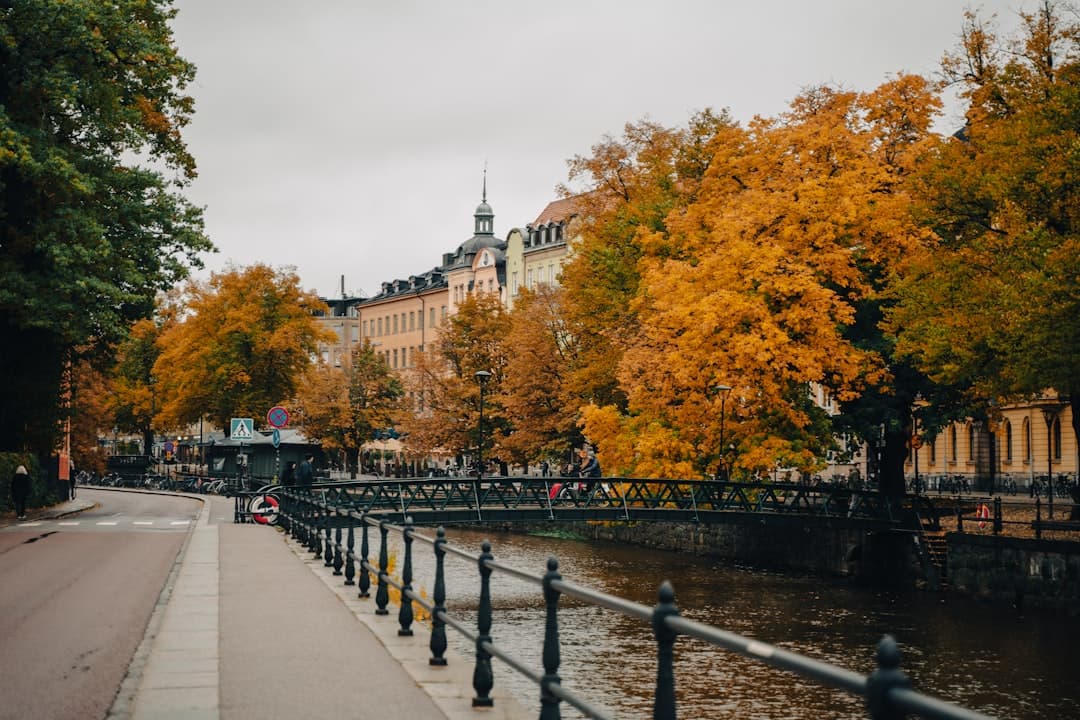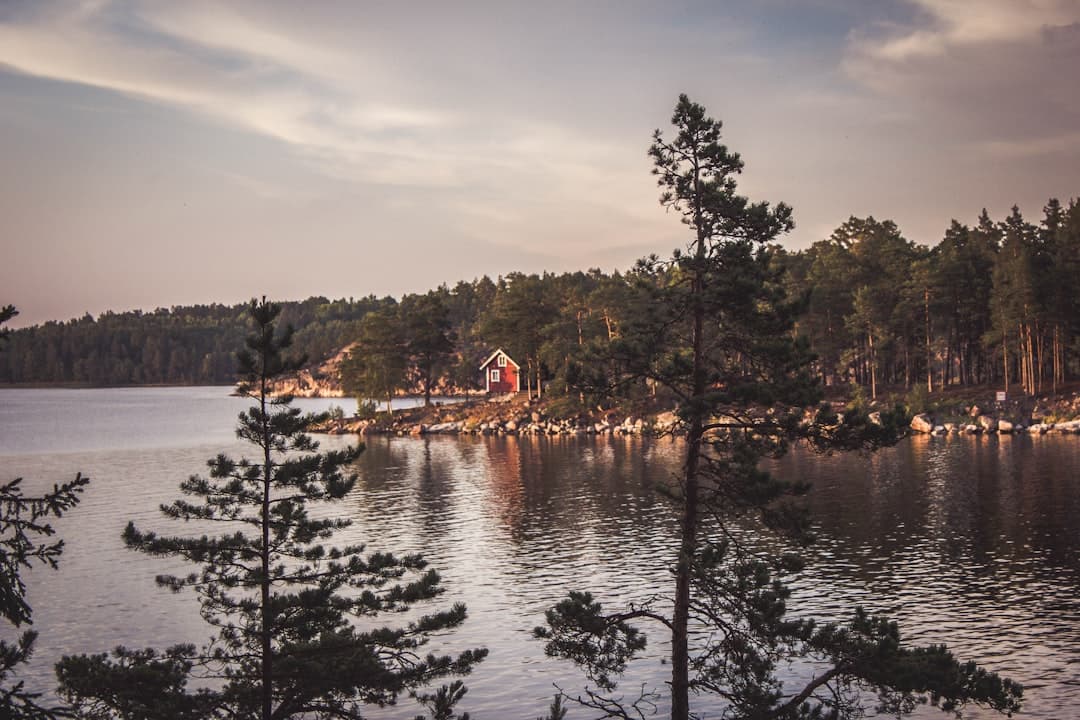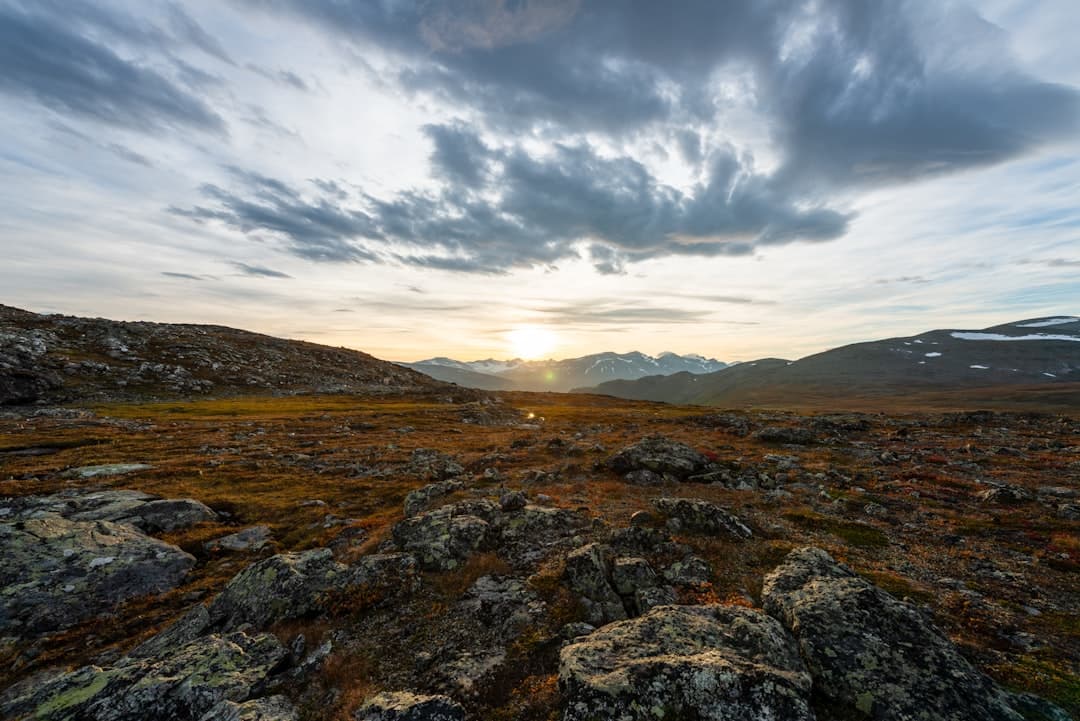
Sweden maintains one of the most extensive systems of protected natural landscapes in Europe, with national parks stretching from the beech forests of Söderåsen in the south to the arctic tundra of Sarek in the far north. This geographic diversity has made the country a reference point for sustainable tourism development across the continent.
A Framework Built on Environmental Protection
Swedish national parks operate under the authority of the Swedish Environmental Protection Agency, known as Naturvårdsverket, which sets strict guidelines governing visitor access, construction, and commercial activity within protected zones. The legal framework prioritizes ecological preservation while maintaining pathways for low-impact recreation such as hiking, kayaking, and wildlife observation.
Sweden's allemansrätten, or the right of public access, further distinguishes its approach. This centuries-old legal principle grants individuals the freedom to move through and camp on most land, including areas near national parks, provided they cause no damage to the environment. The principle is widely regarded as foundational to the country's outdoor tourism culture.
Infrastructure That Minimizes Environmental Impact
Park authorities have invested in visitor centers, marked trail systems, and waste management facilities designed to concentrate human activity in designated areas, reducing pressure on more sensitive ecosystems. Several parks have also introduced initiatives to manage seasonal visitor flows, directing tourism to periods and locations that reduce strain on wildlife habitats.
Growing Interest from European Travelers
Demand for nature-based and low-carbon travel experiences has grown significantly across Europe in recent years, and Sweden's parks have benefited from that shift. Destinations such as Abisko, adjacent to the national park of the same name, and the Kungsleden trail have gained recognition well beyond Scandinavian borders as accessible wilderness routes with reliable supporting facilities.
European tourism bodies have cited Sweden's combination of legal protections, public access rights, and sustainable infrastructure as a model that other member states have begun to study and, in some cases, adapt to their own protected areas.
Open Questions
Whether increased international interest in Swedish parks will require further investment in visitor management infrastructure remains an ongoing policy discussion. The challenge of balancing accessibility with long-term ecological integrity is one that park authorities continue to assess.
Sources: Swedish Environmental Protection Agency (Naturvårdsverket), Visit Sweden, European Environment Agency, Swedish Right of Public Access (Allemansrätten) legal documentation.
This article is based on a verified primary source. The text was editorially reviewed and fact-checked prior to publication.