Sweden maintains one of Europe's most comprehensive rail networks, with routes extending from the densely populated south to the sparsely inhabited northern territories above the Arctic Circle. Trains operated by state-owned Trafikverket and private carriers link Stockholm and other major cities to remote destinations that would otherwise require extensive road travel or domestic flights.
The Inlandsbanan: A Route Through the Heart of Sweden
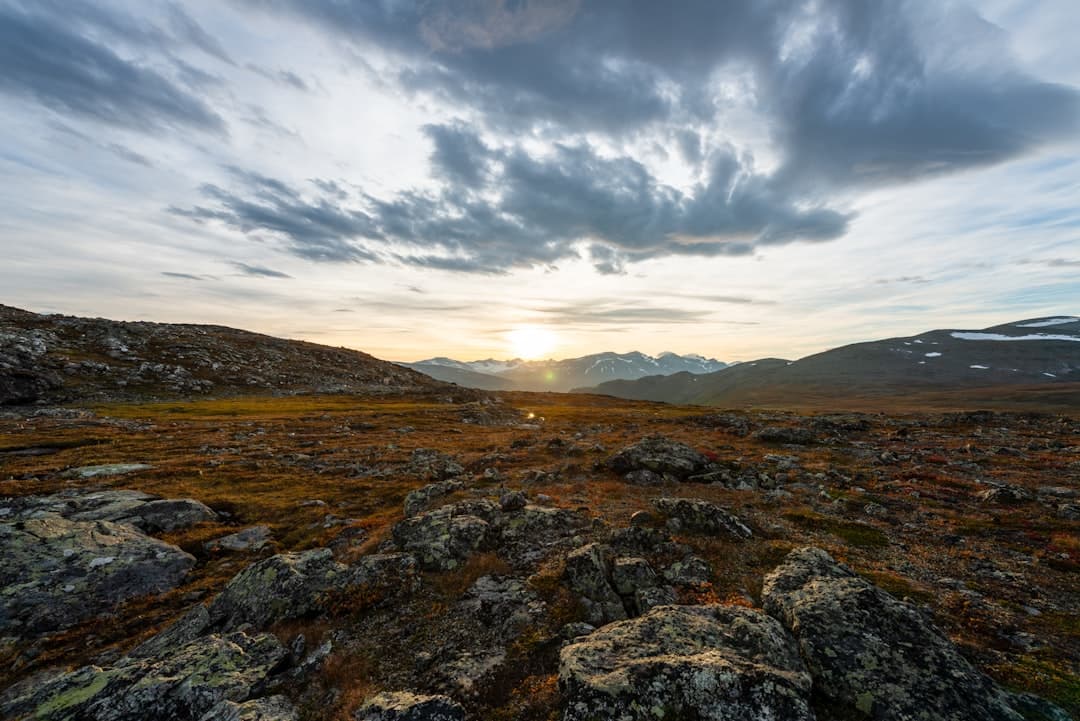
Among the most notable rail corridors is the Inlandsbanan, a historic inland railway stretching roughly 1,300 kilometres through central and northern Sweden. The line passes through boreal forest, wetlands, and reindeer grazing territories, traversing landscapes that remain largely undeveloped. Seasonal passenger services on this route attract travellers seeking direct exposure to Sweden's natural interior, away from the coastal population centres.
Northern Rail Access and the Arctic Circle
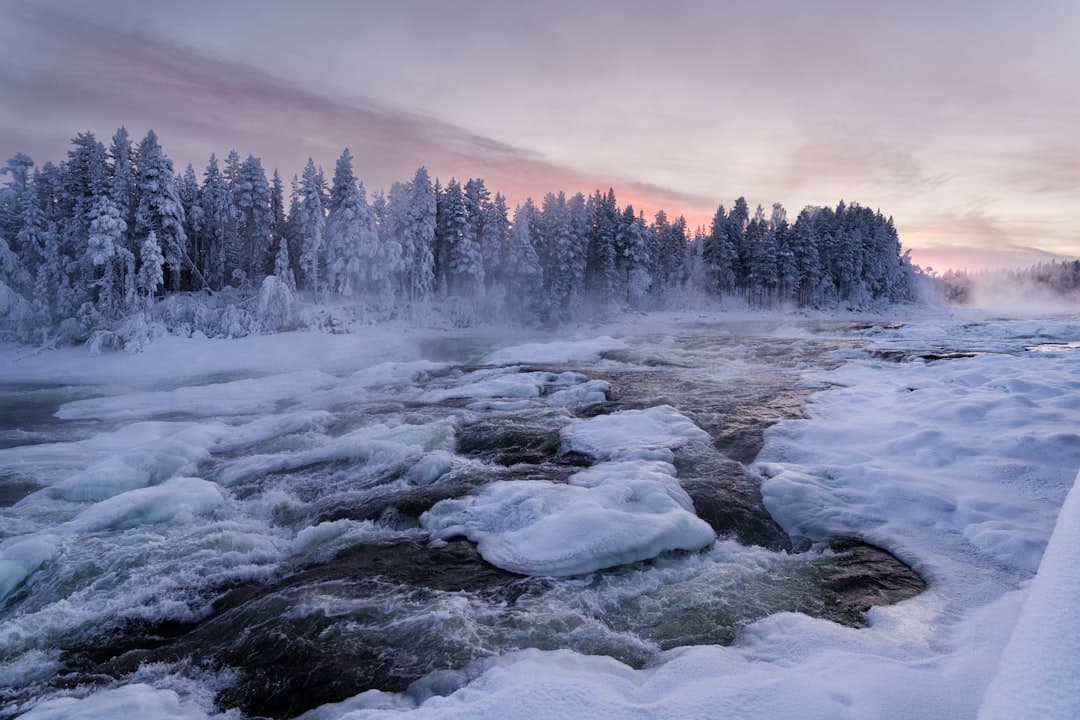
The Malmbanan and Ofotbanen lines, originally constructed for iron ore transport, also carry passenger trains northward through Lapland toward Narvik in Norway. These routes pass through protected national park areas and provide access to regions associated with the Sámi indigenous culture, the aurora borealis, and midnight sun phenomena during summer months.
Sustainability and Slow Travel
Swedish rail services run substantially on renewable electricity, aligning with broader Nordic commitments to reducing transport-related carbon emissions. Rail travel has gained renewed interest across Europe as travellers seek lower-emission alternatives to air travel, and Sweden's geography — with distances that make driving impractical for many routes — reinforces the train as a practical and functional choice rather than a novelty.
Infrastructure investment from both national and EU-level funding continues to maintain and expand connectivity across Swedish regions, supporting both domestic mobility and international tourism arriving via rail corridors from continental Europe.
Open Questions
Whether sufficient investment will address capacity constraints on popular northern routes during peak summer and winter seasons remains an ongoing consideration for Swedish transport planners.
Sources: Trafikverket (Swedish Transport Administration), Inlandsbanan AB, European Environment Agency transport data, Visit Sweden official tourism resources.
This article is based on a verified primary source. The text was editorially reviewed and fact-checked prior to publication.