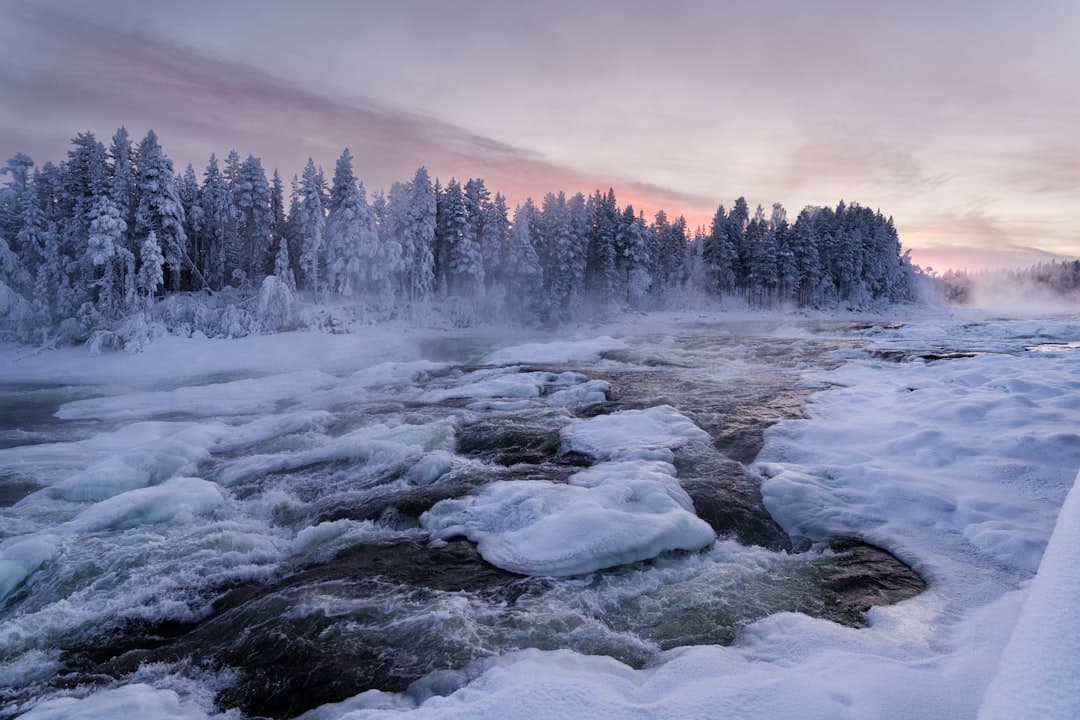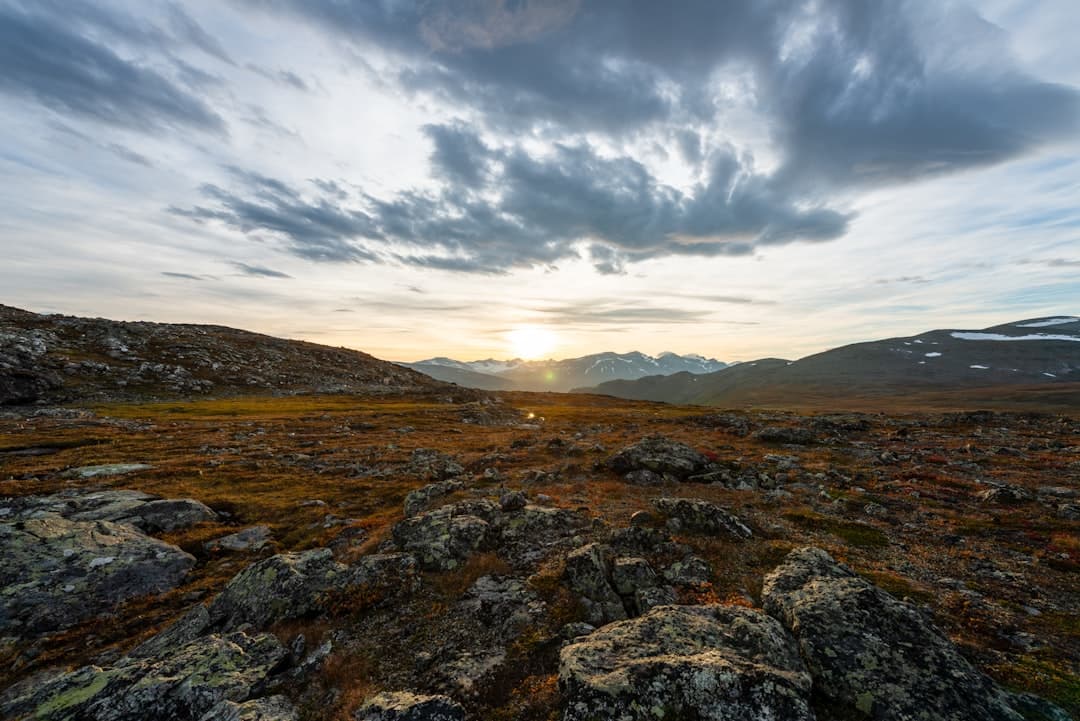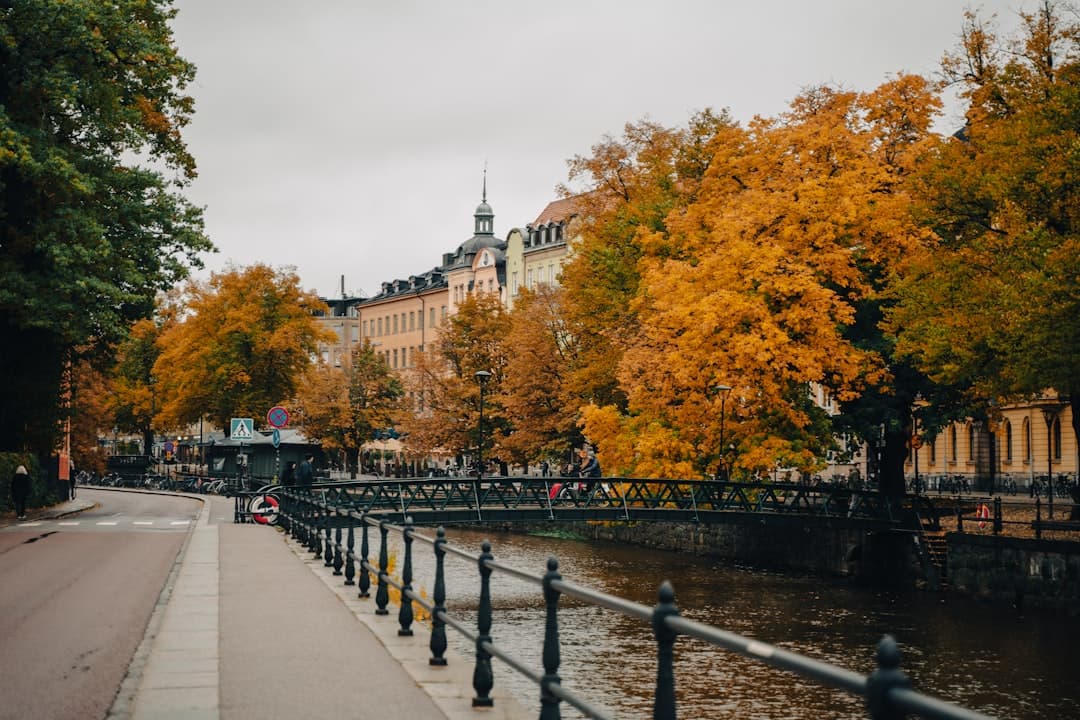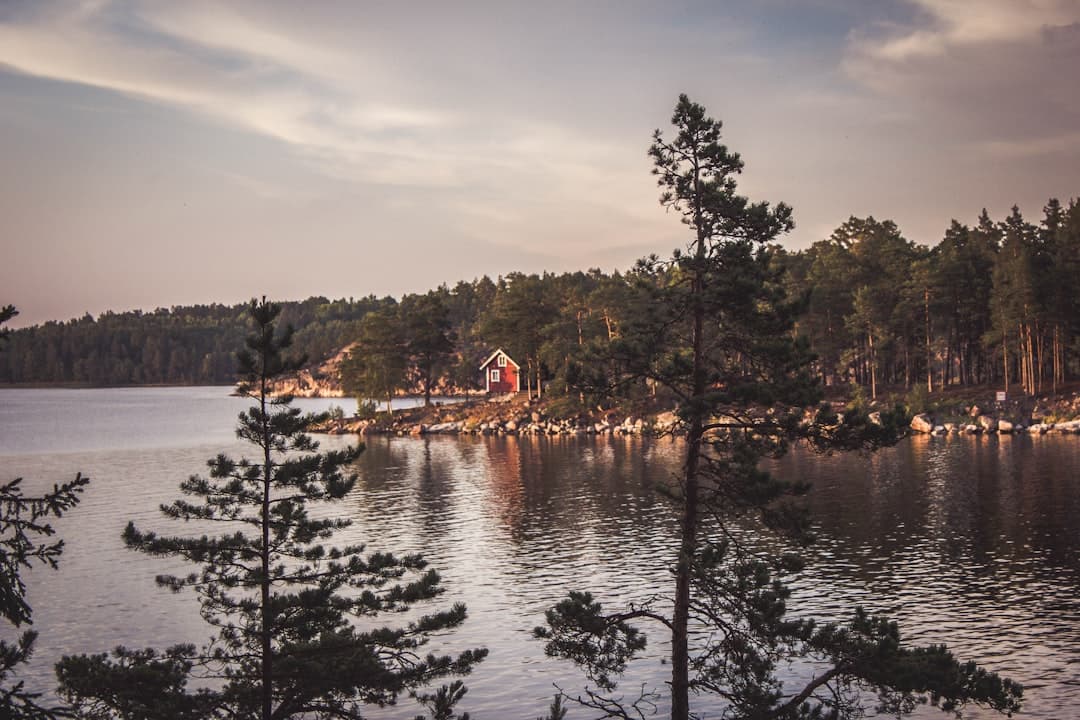
Sweden's coastlines are home to some of Europe's most expansive archipelago systems. The Stockholm Archipelago alone comprises more than 30,000 islands, islets, and skerries, stretching roughly 80 kilometers from the capital into the Baltic Sea. Further south, the Blekinge and Bohuslän archipelagos offer comparable landscapes along Sweden's western and southern shores.
A Distinct Form of Slow Travel
Travel patterns across the region reflect a broader shift toward slower, nature-oriented itineraries. Visitors to the archipelagos typically arrive by ferry or kayak, moving between islands over several days rather than following fixed tour schedules. Many islands feature no permanent road infrastructure, and some remain uninhabited, preserving the ecological character that draws travelers in the first place.
Sweden's allemansrätten, or right of public access, permits individuals to move through and camp on most natural land regardless of ownership, provided basic environmental guidelines are followed. This legal framework gives the archipelago experience a degree of openness uncommon in other European coastal destinations.
Infrastructure and Seasonal Patterns
Ferry networks connecting the islands are operated by both public and private providers, with Waxholmsbolaget serving the Stockholm Archipelago under a regional public transit mandate. Service frequency increases substantially during summer months, when daylight extends well into the evening at these latitudes.
Accommodation ranges from rustic camping to restored fishermen's cottages and small guesthouses. Several islands within the Stockholm Archipelago are accessible within two hours from the city center, making them a practical option for short stays as well as extended trips.
Regional Competition and Positioning
The archipelago offer positions Sweden alongside Norway's fjord regions and Finland's Lakeland as a primary nature-travel destination within the Nordic bloc. Unlike fjord tourism, which is concentrated along specific corridors, Sweden's island networks are distributed across multiple coastal zones, distributing visitor flow across a wider geographic area.
Environmental authorities have monitored visitor pressure on sensitive island ecosystems, and some areas carry designations under Sweden's national park system or EU Natura 2000 protections, which restrict certain activities to preserve habitat integrity.
Open Questions
How sustainable tourism frameworks will evolve as visitor numbers grow remains under discussion among regional planners. The balance between public access rights and ecological preservation continues to be evaluated by Swedish environmental agencies.
Sources: Swedish Transport Administration (Trafikverket), Waxholmsbolaget, Swedish Environmental Protection Agency (Naturvårdsverket), Visit Sweden, European Environment Agency (Natura 2000 database)
This article is based on a verified primary source. The text was editorially reviewed and fact-checked prior to publication.