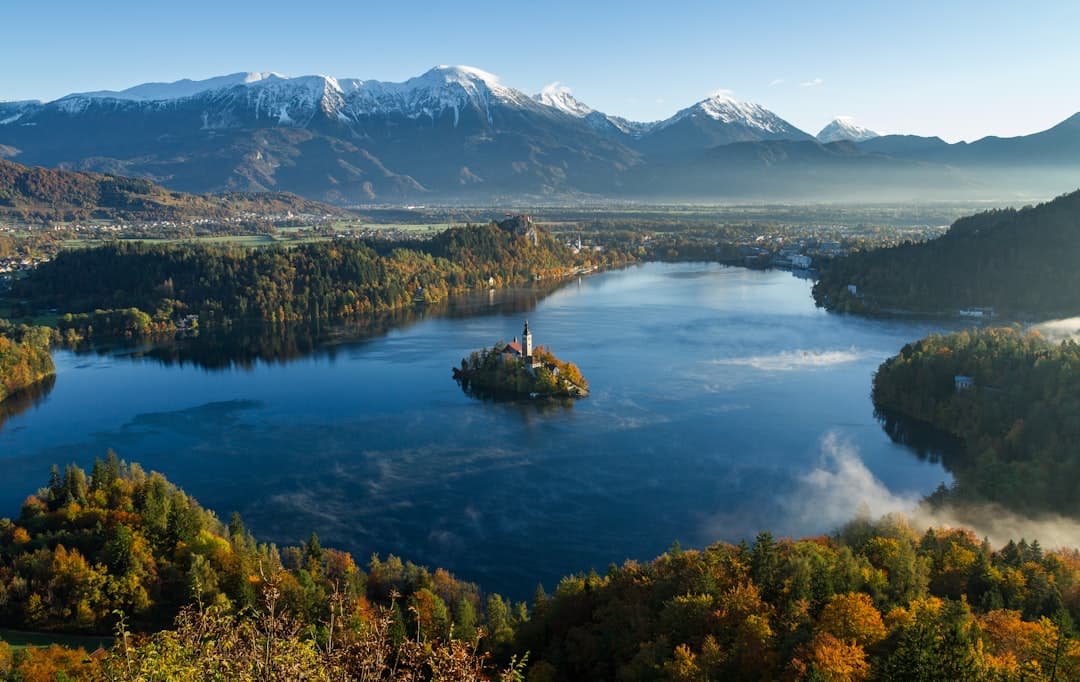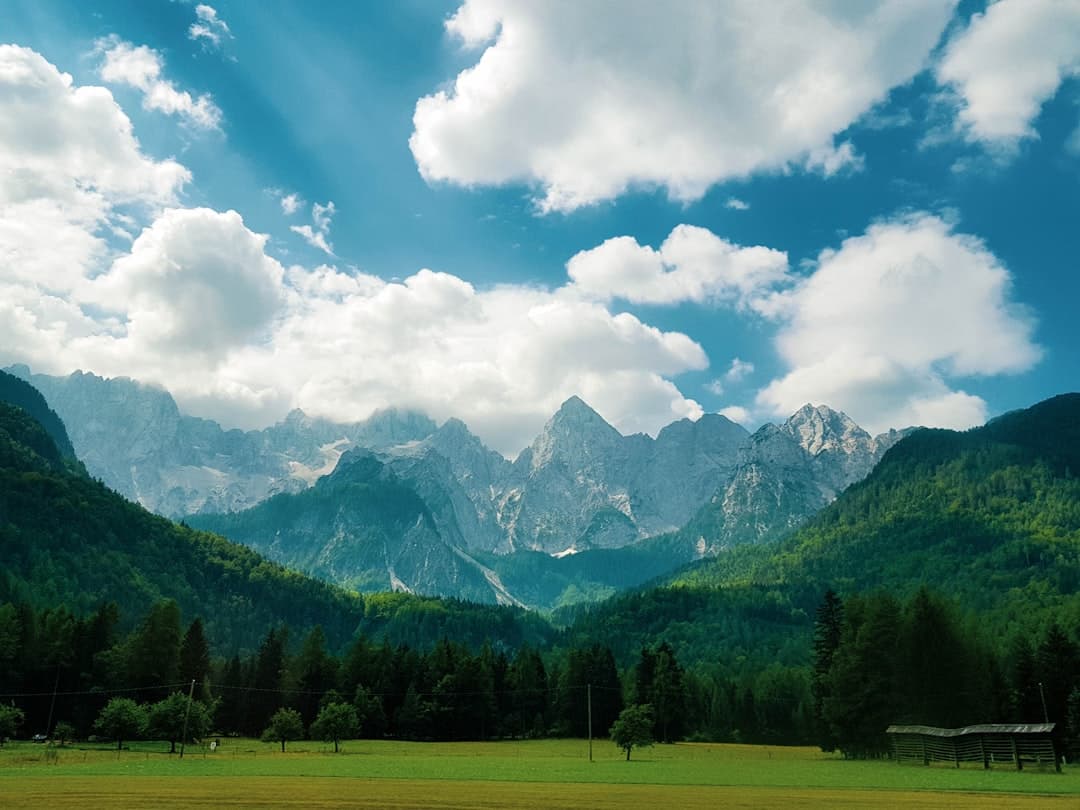
Nestled within the Julian Alps in northwestern Slovenia, a cluster of glacially formed lakes has gained a sustained international following among travelers seeking alpine landscapes and outdoor recreation. Lake Bled, with its island church and clifftop medieval castle, and the larger, less commercialized Lake Bohinj, situated within Triglav National Park, serve as the primary focal points for this growing visitor base.
A Geography Built for Adventure
Triglav National Park, Slovenia's only national park, encompasses much of the Julian Alps and provides a protected framework for activities including mountaineering, white-water kayaking on the Soča River, paragliding, and long-distance hiking along the Slovenian Mountain Trail. Mount Triglav, the country's highest peak at 2,864 metres, carries strong national cultural significance and attracts climbers from across the continent each season.
The region's infrastructure has developed steadily to accommodate demand. A network of mountain huts maintained by the Alpine Association of Slovenia spans the higher elevations, enabling multi-day traverses without reliance on camping equipment. Lower valleys offer accommodation ranging from family-run guesthouses to internationally branded hotels.
Accessibility and Regional Position
Slovenia's central European location places it within a short drive of Austria, Italy, and Croatia, making it accessible to a broad regional catchment of visitors. Ljubljana's Jože Pučnik Airport connects the capital to major European hubs, while road and rail links facilitate cross-border travel. This positioning has contributed to Slovenia's emergence as part of multi-country itineraries rather than solely a standalone destination.
Environmental management remains a consideration for local authorities. Triglav National Park operates visitor guidelines designed to limit ecological impact in sensitive high-altitude zones, and certain access routes near Lake Bled have seen regulated shuttle systems introduced to manage traffic and pedestrian flow.
Open Questions
Whether existing infrastructure can absorb continued growth in visitor numbers without compromising the natural environment remains an ongoing discussion among conservationists and regional planners. The balance between tourism revenue and landscape preservation will likely shape policy decisions in the years ahead.
Sources: Triglav National Park official documentation, Alpine Association of Slovenia, Slovenian Tourist Board public information, European Environment Agency regional data.
This article is based on a verified primary source. The text was editorially reviewed and fact-checked prior to publication.