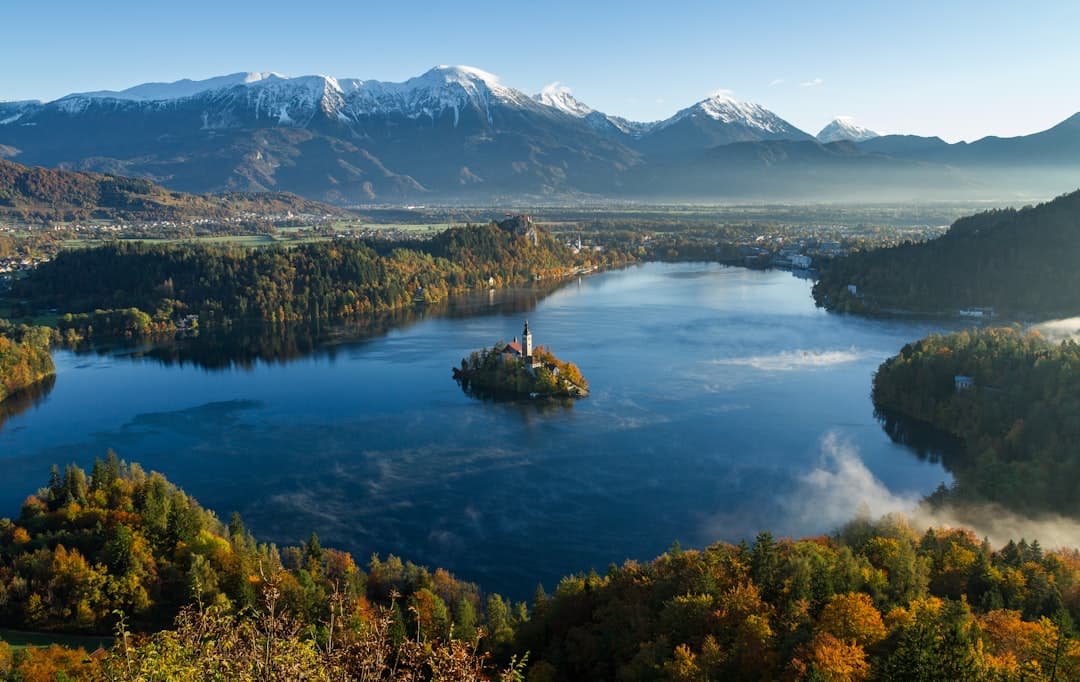
Slovenia, a small Central European nation bordered by Austria, Italy, Hungary, and Croatia, has long been associated internationally with Lake Bled — a glacial lake topped by a medieval castle and a baroque pilgrimage church on a small island. The site draws visitors from across Europe and beyond throughout the year.
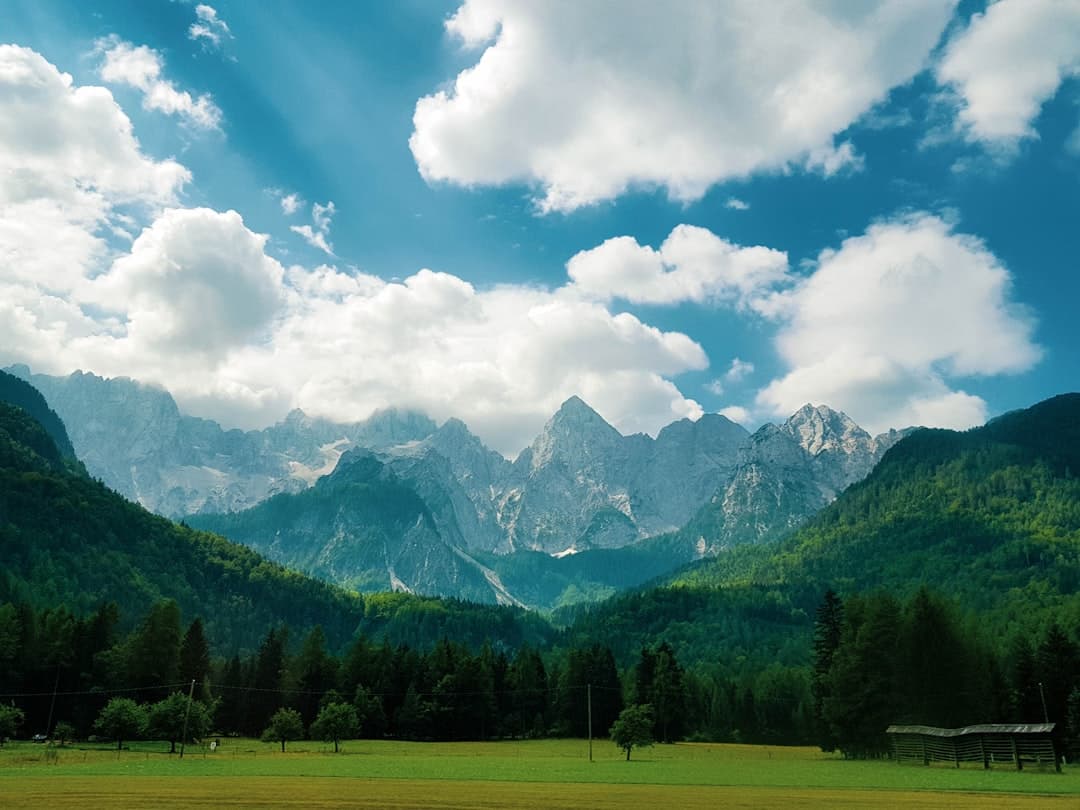
Yet the country's geography extends well beyond that single landmark. Slovenia contains portions of the Julian Alps, the Karawanks mountain range, and a significant stretch of the Dinaric Karst, producing a variety of landscapes that remain largely undiscovered by mainstream tourism.
The Soča Valley
The Soča River, originating near the Vršič mountain pass in the Julian Alps, is recognized for its distinctive emerald-green color, a result of mineral composition and glacial meltwater. The valley runs toward the Italian border and passes through Triglav National Park, Slovenia's only national park. The area offers hiking, kayaking, and historical sites related to the First World War Isonzo Front, where major battles were fought between Italian and Austro-Hungarian forces.
Logar Valley and the Kamnik-Savinja Alps
The Logar Valley, situated in the northeastern part of the country near the Austrian border, is a glacially formed landscape protected as a regional park. It contains the Rinka waterfall, one of the tallest in Slovenia, and is surrounded by peaks of the Kamnik-Savinja Alps. The valley is accessible by road and remains a working agricultural area, with traditional farmsteads operating alongside tourism infrastructure.
The Karst Region
Slovenia's Karst plateau, located in the southwest near the Italian border, lends its name to the geological term used worldwide for limestone landscapes shaped by water erosion. The region contains Postojna Cave, one of the largest cave systems in Europe, and Predjama Castle, a Renaissance fortress built into a cliff face. The area also produces Teran, a red wine with protected designation of origin status under European Union regulations.
Open Questions
Whether infrastructure investment in lesser-visited areas will reshape Slovenia's broader tourism distribution, and how the country balances environmental protection with growing visitor numbers in Triglav National Park, remain subjects of ongoing policy discussion.
Sources: Triglav National Park official documentation, European Commission protected designation of origin registry, Postojna Cave official site, Slovenian Tourist Board regional guides, UNESCO and Council of Europe heritage records.
This article is based on a verified primary source. The text was editorially reviewed and fact-checked prior to publication.