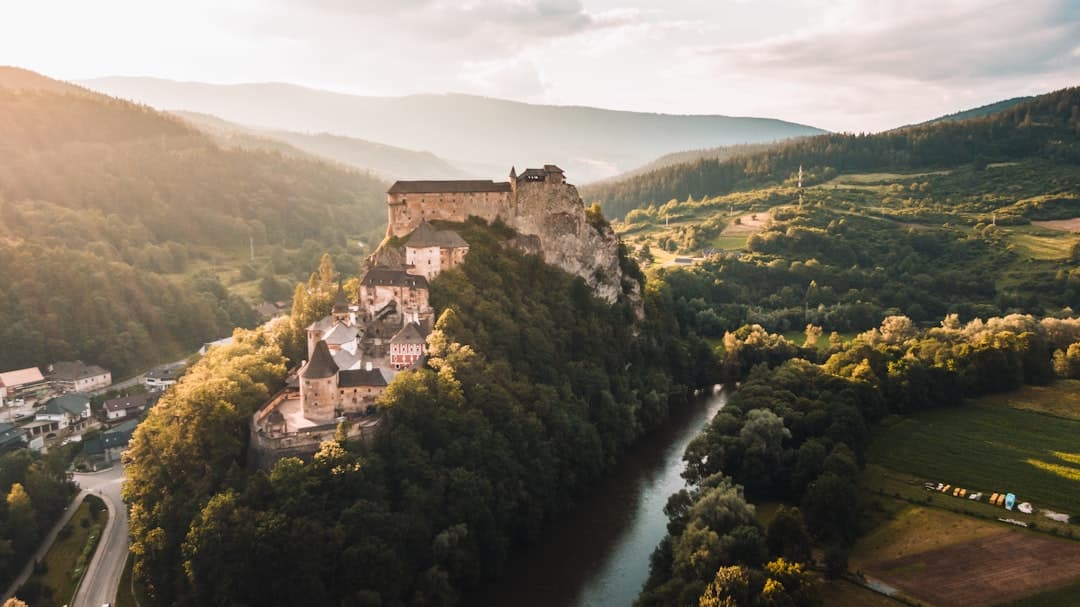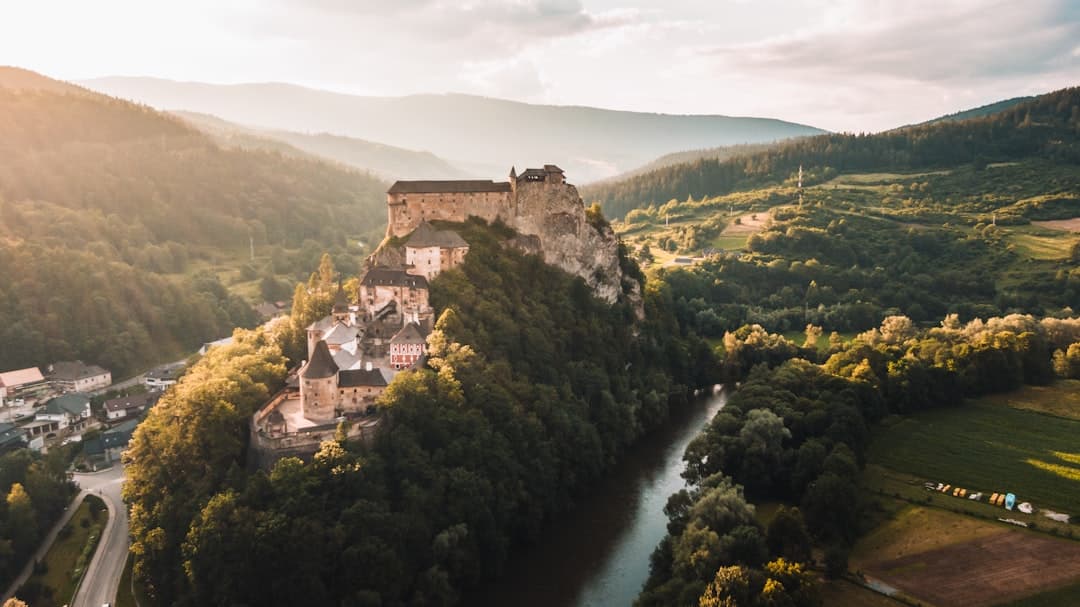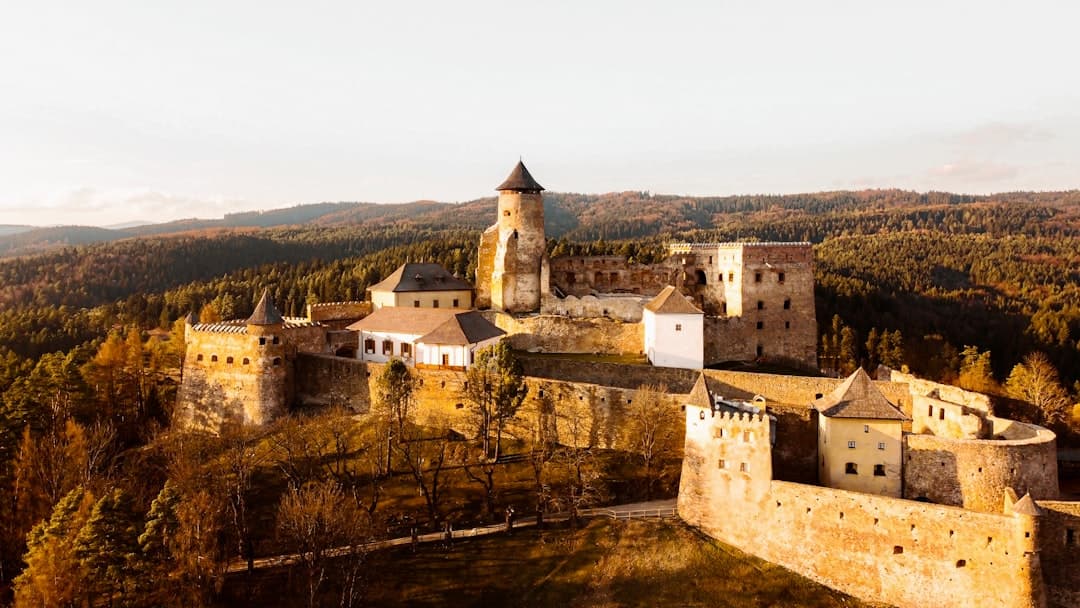
Slovakia's network of medieval castles, stretching across the Carpathian mountain range and lowland plains, has attracted growing international recognition as a coherent heritage tourism circuit. The country is home to one of the highest concentrations of castle sites in Central Europe, with structures dating primarily from the 11th through 17th centuries.
A Trail Rooted in Medieval History
The castle circuit spans the length of the country, linking fortifications that were historically built to guard trade routes, royal territories, and mountain passes. Among the most prominent sites are Spiš Castle, a UNESCO World Heritage Site and one of the largest castle complexes in Central Europe, and Bojnice Castle, recognized for its Romantic-era reconstruction and well-preserved interiors. Devín Castle, positioned at the confluence of the Danube and Morava rivers near Bratislava, carries additional significance as a site tied to early Slavic history.
Infrastructure and Promotion
Slovak tourism authorities and regional bodies have worked to improve trail accessibility, including signage, visitor facilities, and coordinated marketing through the Slovak Tourist Board. The country's membership in the European Union has facilitated cross-border promotion efforts, helping package the trail alongside broader Central European itineraries that include destinations in Austria, Hungary, and the Czech Republic.
Broader Context
Interest in heritage and cultural tourism has grown across Europe in recent years, with travelers increasingly seeking destinations outside established circuits. Slovakia's relatively lower visitor volumes compared to neighbors such as Austria or the Czech Republic have been cited as part of its appeal, offering access to major historical sites without the congestion common at more saturated destinations.
The castle trail has received coverage in international travel media and has been featured in European cultural heritage programs, contributing to its rising profile among visitors from Western Europe, North America, and East Asia.
Open Questions
How sustainable is the infrastructure supporting remote castle sites? What level of conservation funding is allocated to ruins versus fully operational visitor attractions? Could increased footfall place pressure on fragile historical structures?
Sources: Slovak Tourist Board (slovakia.travel), UNESCO World Heritage List, European Travel Commission regional reports, Slovak Ministry of Transport and Construction tourism documentation.
This article is based on a verified primary source. The text was editorially reviewed and fact-checked prior to publication.