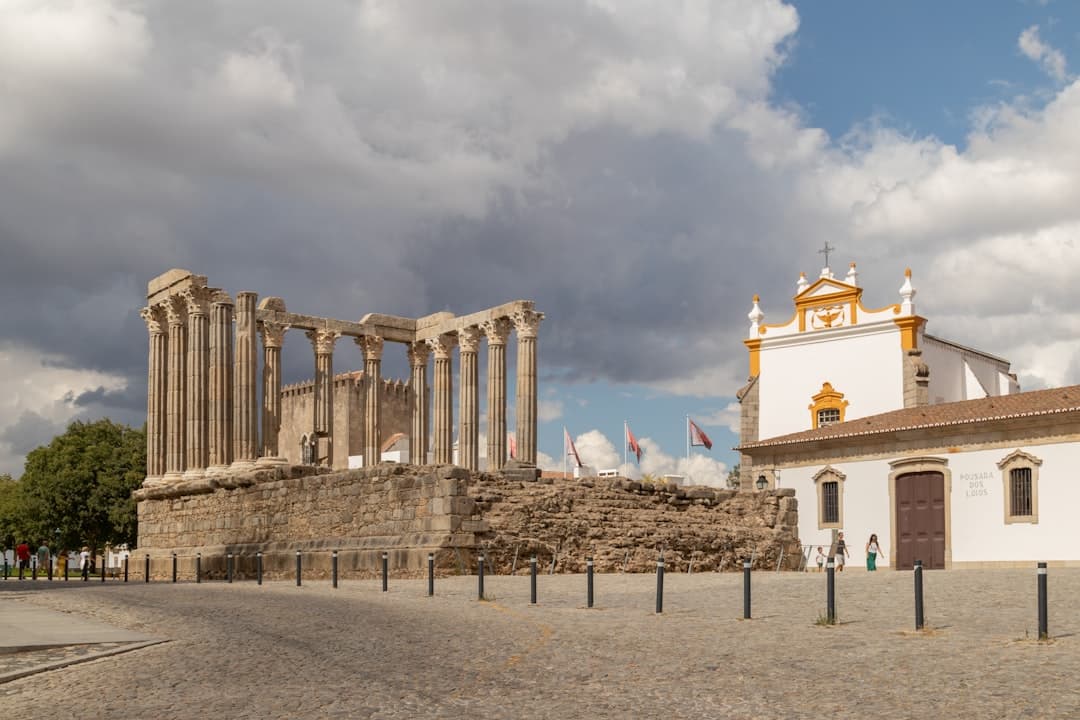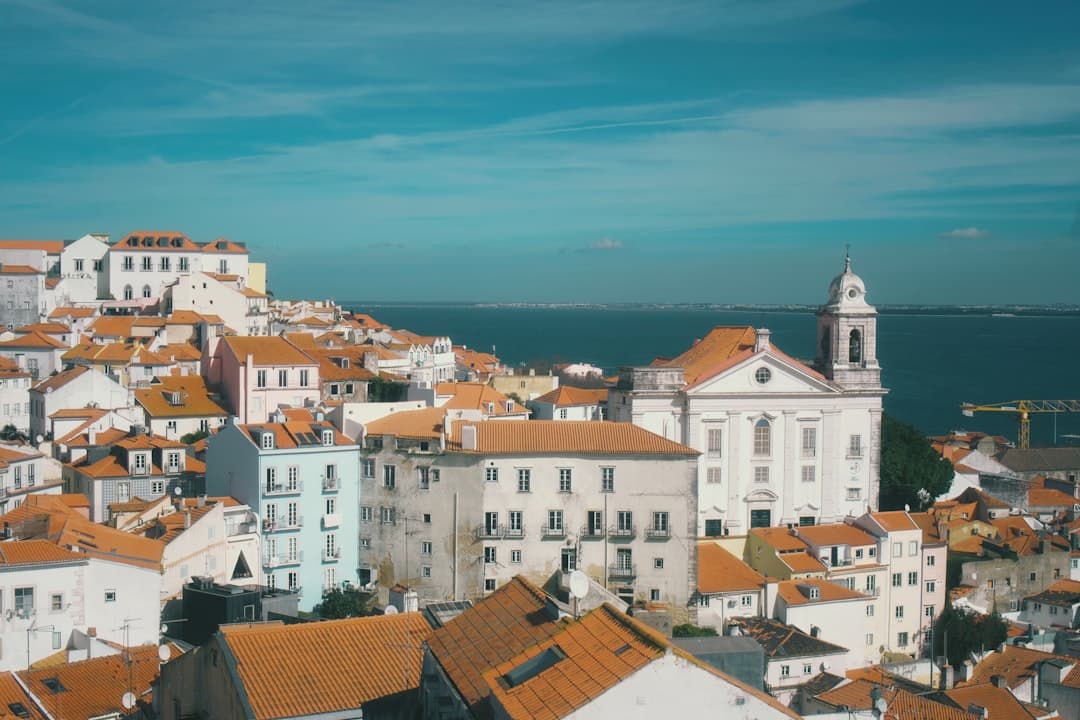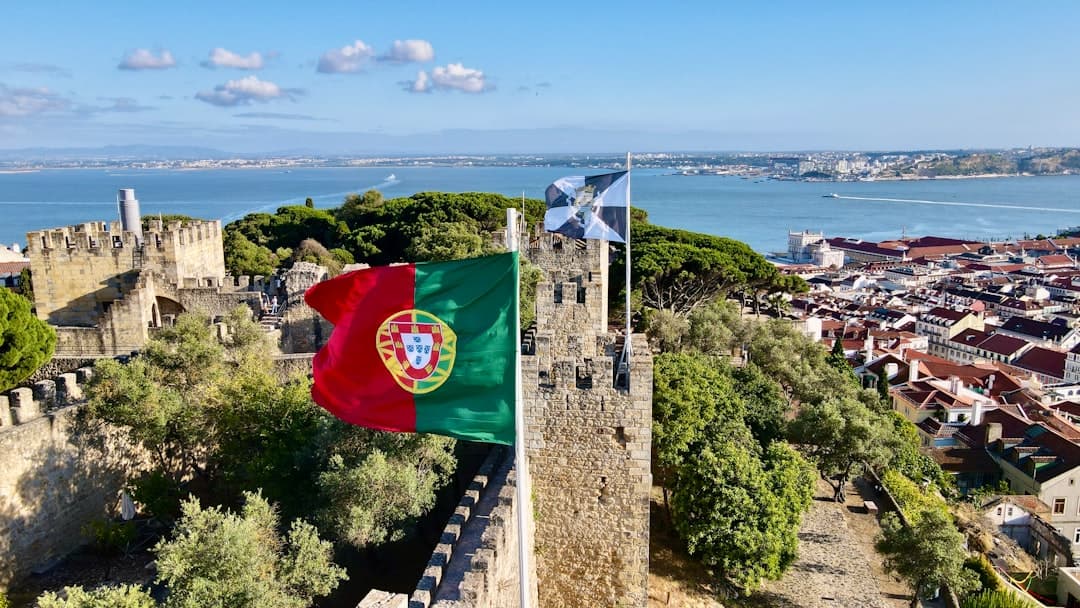
Portugal's monastic heritage, spanning centuries of religious, political, and artistic history, draws a growing international audience to its walled cloisters, ornate chapels, and sculpted facades. Sites such as the Monastery of Batalha, the Jerónimos Monastery in Lisbon, and the Convent of Christ in Tomar — all recognized by UNESCO as World Heritage Sites — stand among the most visited cultural landmarks on the Iberian Peninsula.
Architecture as a Historical Record
Many of Portugal's monasteries were constructed during the 15th and 16th centuries, a period corresponding with the country's Age of Discovery. The Manueline architectural style, characterized by maritime motifs, intricate stonework, and elaborate ornamentation, is prominently displayed across several of these structures. The Jerónimos Monastery in the Belém district of Lisbon is widely regarded as one of the finest surviving examples of this style.
Religious and Cultural Significance
Beyond their architectural merit, several monasteries retain active religious functions or serve as sites of historical pilgrimage. The Sanctuary of Fátima, while not a monastery in the traditional sense, draws millions of pilgrims annually and underscores the broader role of sacred sites in Portugal's tourism landscape. Monastic complexes also house museums, royal tombs, and manuscript collections that contribute to their appeal among scholars and heritage travelers.
Tourism Infrastructure and Preservation
The Portuguese government, in coordination with municipal authorities and the European Union's cultural preservation programs, has invested in the restoration and accessibility of these sites. Improved visitor facilities, multilingual interpretation, and digital heritage initiatives have made the monasteries more accessible to international audiences. Portugal's broader tourism sector has expanded significantly in recent decades, with cultural and heritage travel identified as a primary driver of visitor arrivals.
Open Questions
How sustainable current visitor volumes are in relation to long-term preservation efforts at these fragile historic sites remains an ongoing subject of debate among heritage conservation bodies.
Sources: UNESCO World Heritage List (whc.unesco.org), DGPC – Direção-Geral do Património Cultural (patrimoniocultural.gov.pt), Turismo de Portugal (turismodeportugal.pt)
This article is based on a verified primary source. The text was editorially reviewed and fact-checked prior to publication.