The Alentejo, stretching across roughly a third of Portugal's landmass south of Lisbon, has long been overshadowed by the Algarve's beaches and Lisbon's urban appeal. That dynamic has begun to shift, as the region registers growing visitor numbers and increased investment in rural tourism infrastructure.
What the Region Offers
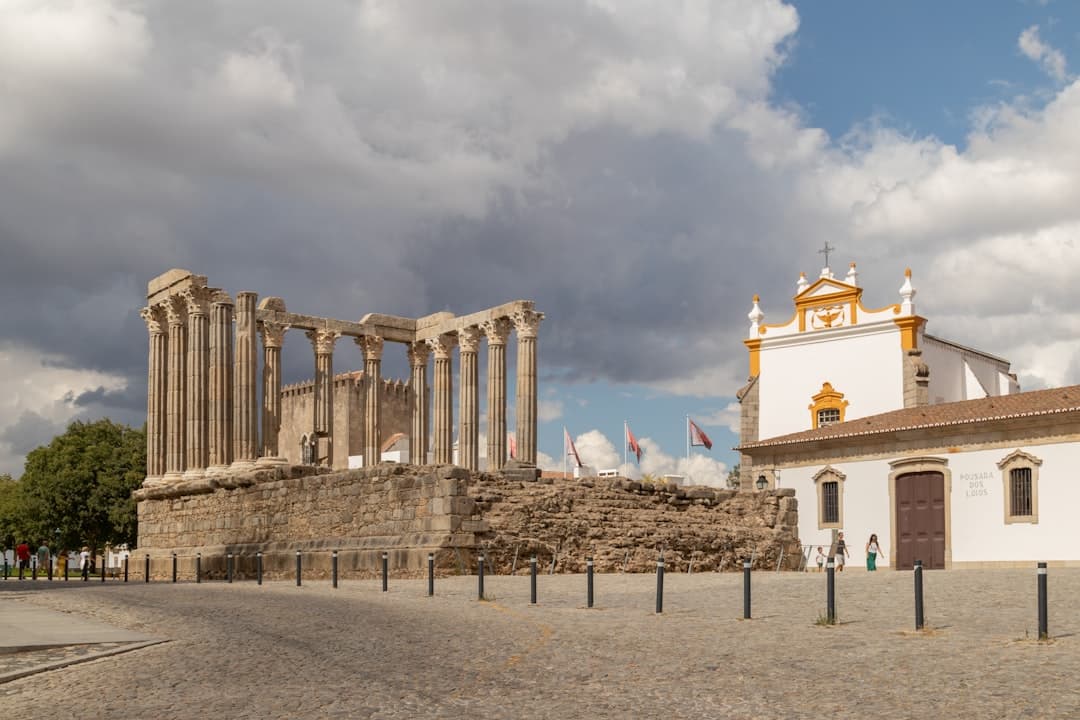
The Alentejo is characterized by vast plains of golden wheat, cork oak forests, and vineyards producing wines that have gained recognition across European markets. Historic towns such as Évora — a UNESCO World Heritage Site — Monsaraz, and Marvão draw visitors interested in Roman ruins, Moorish architecture, and walled hilltop settlements that have remained largely unchanged for centuries.
The region also borders Spain's Extremadura, making it accessible for cross-border itineraries. The Alqueva reservoir, one of the largest artificial lakes in Western Europe, has developed a reputation for dark-sky tourism, with the surrounding area holding a Starlight Tourism Destination certification.
Tourism Infrastructure Expands
A growing number of agritourism properties, known locally as herdades, have opened across the region, offering accommodation integrated into working farms and vineyards. Boutique wine estates have increasingly added guest facilities, contributing to a diversification of the hospitality offer beyond traditional village guesthouses.
Improved road connections and relatively short transfer times from Lisbon's Humberto Delgado Airport have reduced a longstanding accessibility barrier that historically limited overnight stays.
Broader Context
The trend fits within a wider pattern of travelers seeking less-visited European destinations following years of overtourism pressure on cities such as Lisbon, Porto, and Barcelona. Rural Portugal has benefited from this redistribution of visitor demand, with the Alentejo positioned geographically and culturally to absorb interest without the infrastructure strain seen in coastal areas.
Portuguese tourism authorities have included the Alentejo in national promotional campaigns targeting Northern European and North American markets, signaling institutional recognition of the region's commercial potential.
Open Questions
Whether the region can scale tourism sustainably without altering the rural character that constitutes its primary appeal remains an open question for local planners and conservation advocates.
Sources: UNESCO World Heritage List, Starlight Foundation, Turismo de Portugal, European Travel Commission regional reports
This article is based on a verified primary source. The text was editorially reviewed and fact-checked prior to publication.