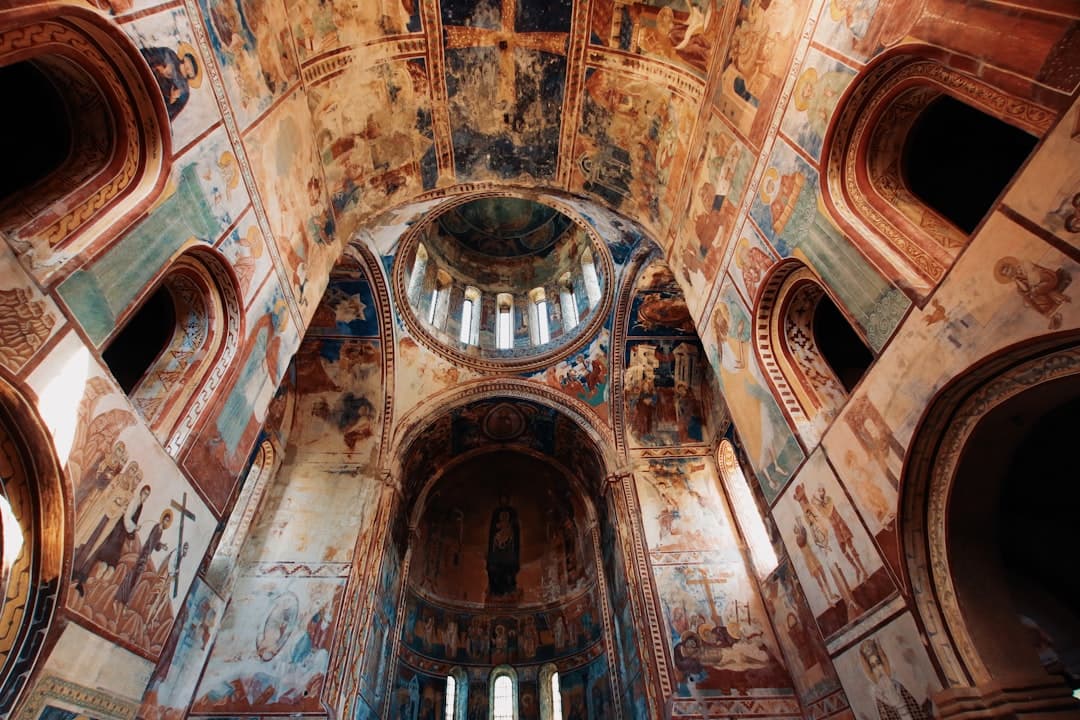
The painted monasteries of Bucovina, scattered across the forested hills of northeastern Romania, attract visitors from across Europe, North America, and Asia each year. Their defining feature — elaborate frescoes covering not only interior walls but exterior facades — sets them apart from comparable religious heritage sites on the continent.
A Tradition Rooted in the Moldavian Principality
The monasteries were constructed primarily during the reign of Moldavian princes in the 15th and 16th centuries, with Voronet, Sucevita, Moldovita, and Humor among the most frequently visited. The exterior paintings served a practical purpose in their era, conveying biblical narratives and theological themes to largely illiterate populations. The vivid pigments — including the distinctive deep blue associated with Voronet — have shown remarkable durability across centuries of exposure to the elements.
Eight of the monasteries were inscribed on the UNESCO World Heritage List in 1993, a designation that formalized their standing as monuments of global cultural significance.
Infrastructure and Access
The region of Bucovina is accessible by road and rail from the city of Suceava, which maintains a regional airport with connections to Bucharest. Local authorities and national tourism bodies have invested in visitor infrastructure in recent years, including improved signage, guided tour services in multiple languages, and conservation monitoring programs.
Several monasteries remain active religious communities, with Orthodox nuns continuing to reside and worship on-site. Visitor codes of conduct, including dress requirements, are enforced at all major sites.
Conservation Challenges
Conservationists and Romanian cultural heritage officials have documented ongoing concerns about the effects of humidity, biological growth, and increased foot traffic on the fragility of the frescoes. Restoration efforts, some undertaken in partnership with European Union funding mechanisms, have addressed specific sections of exterior paintwork at multiple sites.
Romania's broader cultural tourism sector has expanded measurably in recent years, with Bucovina frequently cited alongside Transylvania as one of the country's principal heritage draws for international travelers.
Open Questions
Whether long-term conservation capacity will keep pace with rising visitor numbers remains an open issue for heritage management officials. The balance between accessibility and preservation is a tension that site administrators continue to navigate.
Sources: UNESCO World Heritage List; Romanian National Heritage Institute; European Commission cultural heritage program documentation.
This article is based on a verified primary source. The text was editorially reviewed and fact-checked prior to publication.