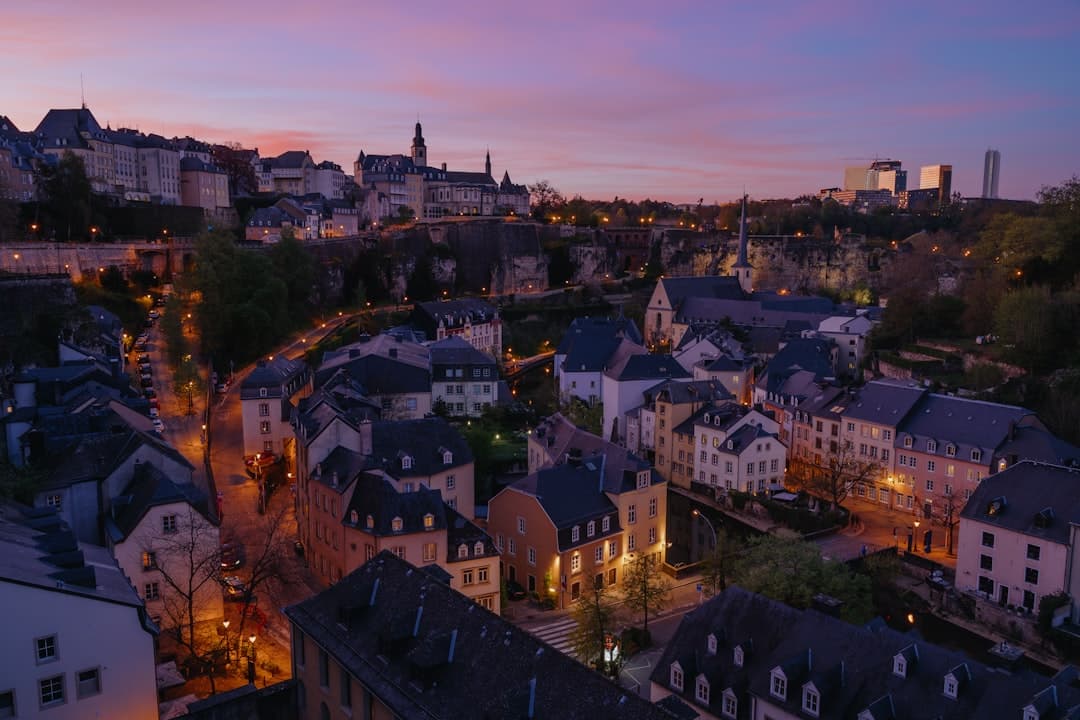
Luxembourg City's historic old quarters and fortifications, inscribed on the UNESCO World Heritage List in 1994, remain among the most visited cultural landmarks in the Benelux region. The designation covers the old city and the remains of its fortress walls — a network of ramparts, casemates, and defensive structures that earned Luxembourg the historical nickname 'Gibraltar of the North.'
A Fortified History Preserved in Stone
The fortifications date primarily from the seventeenth to nineteenth centuries, constructed and expanded under successive European powers including the Habsburgs, French, and Prussians. Following Luxembourg's guaranteed neutrality under the 1867 Treaty of London, much of the fortress was dismantled, yet substantial sections survived and were later recognized for their outstanding universal value.
The Bock Casemates, a network of underground tunnels carved into the sandstone cliffs overlooking the Alzette River valley, draw particularly high visitor numbers each year. The site offers access to galleries that once sheltered tens of thousands of civilians and soldiers during wartime and now serve as one of the country's most prominent tourist attractions.
Cultural Tourism in a Small State
Luxembourg, one of Europe's smallest countries by both area and population, has developed a tourism sector that leans heavily on its historical and architectural heritage. The capital city functions as the primary entry point for international visitors, many of whom arrive via connections through nearby major European hubs in Brussels, Paris, and Frankfurt.
The Luxembourg City Tourist Office and national authorities have invested in multilingual visitor infrastructure, guided walking tours, and digital interpretation tools to accommodate the diverse origins of incoming travelers. The heritage zone sits within a walkable city center, allowing visitors to combine the UNESCO sites with the capital's museums, cuisine, and surrounding Müllerthal and Moselle regions.
Luxembourg's recognition under UNESCO also carries conservation obligations, requiring the state to maintain the integrity and authenticity of the listed areas under the World Heritage Convention framework.
Open Questions
How Luxembourg balances increased visitor volumes with the long-term preservation requirements of its UNESCO obligations remains an ongoing challenge for heritage managers. Whether investment in surrounding rural regions can help distribute tourism pressure away from the capital is also under discussion among regional planners.
Sources: UNESCO World Heritage List (whc.unesco.org), Luxembourg City Tourist Office, Treaty of London (1867) historical records, Visit Luxembourg national tourism authority.
This article is based on a verified primary source. The text was editorially reviewed and fact-checked prior to publication.