Luxembourg's castle trails have emerged as a distinct offering within European heritage tourism, threading together remnants of medieval and early modern fortifications across the Grand Duchy's forested hills, river valleys, and plateaus.
A Compact Country with a Dense Fortress Legacy
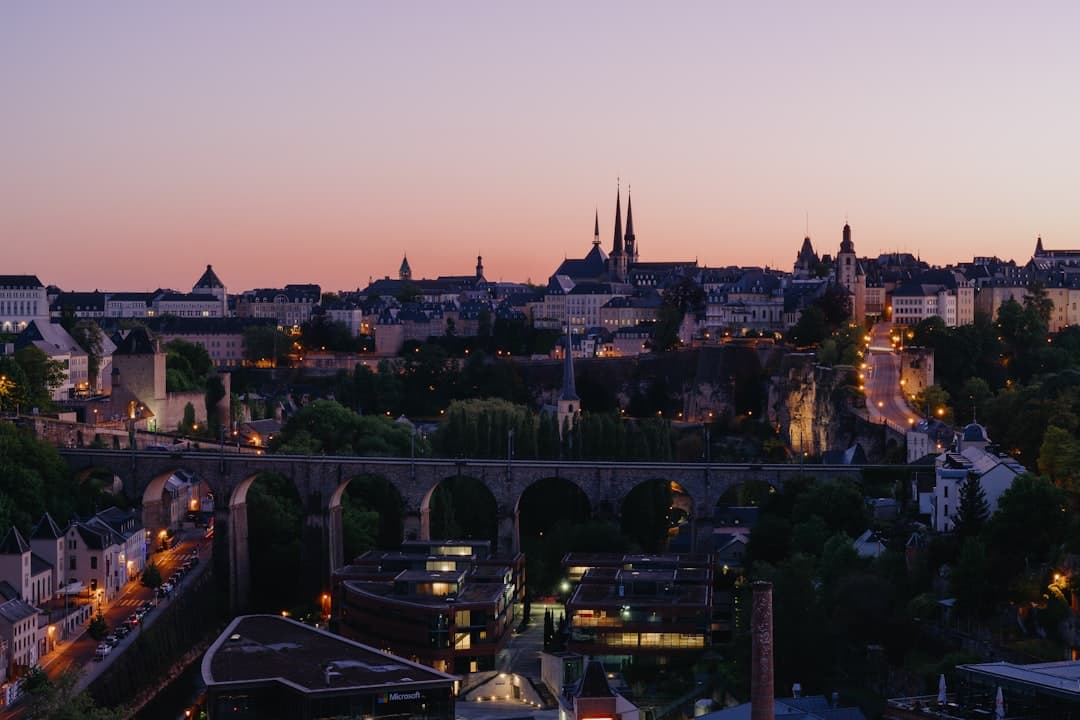
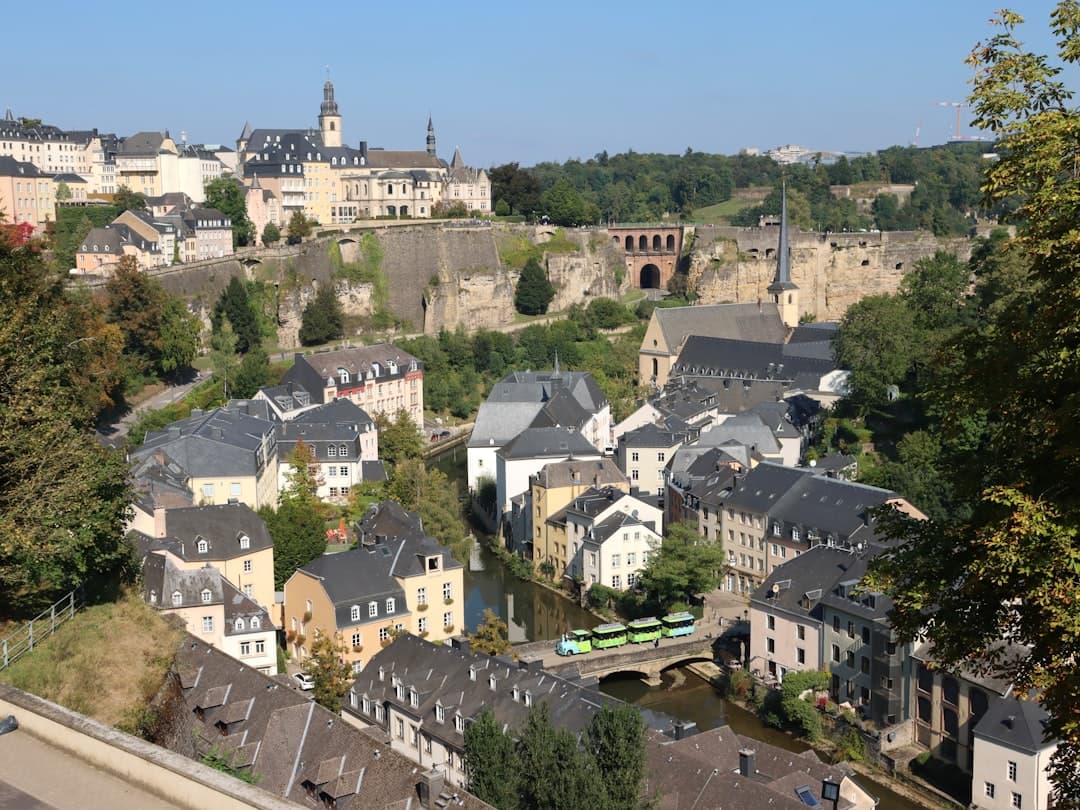
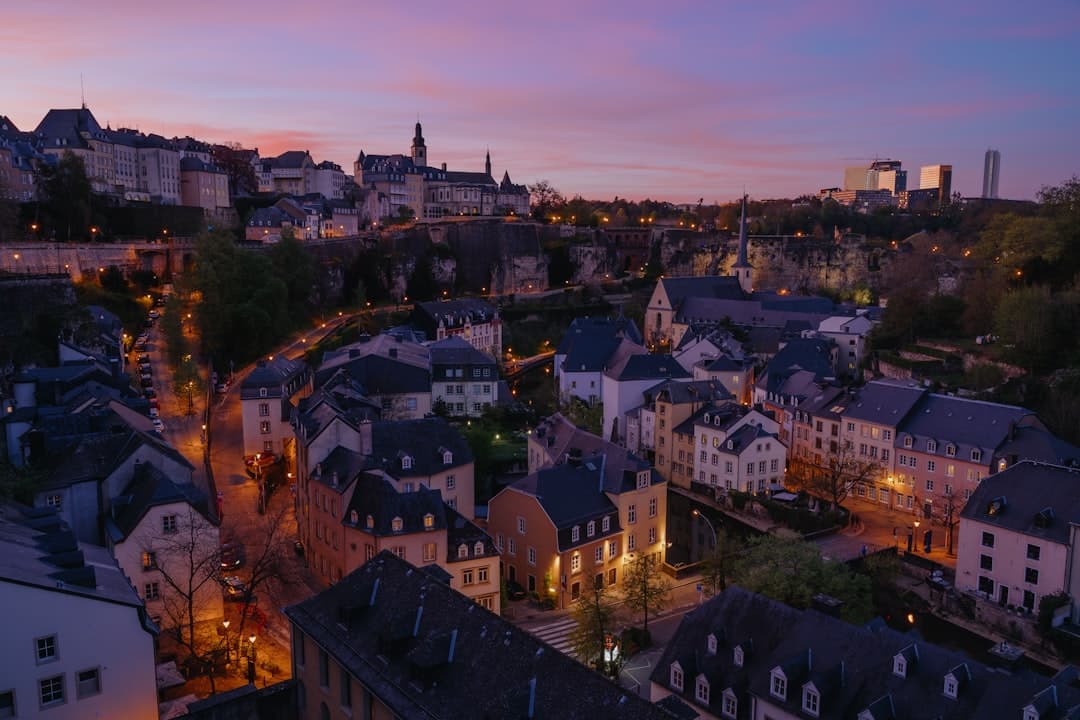
Luxembourg's strategic position at the crossroads of Western Europe made it a site of repeated military construction over the centuries. Fortifications built or expanded by successive powers — including the Habsburgs, Spanish, French, and Prussians — left behind a concentrated collection of castles, towers, and ruins. The city of Luxembourg itself, whose historic fortifications are designated a UNESCO World Heritage Site, represents the most prominent example of this layered past.
Beyond the capital, the Mullerthal region, often referred to as 'Little Switzerland,' and the Moselle valley contain numerous castle remains accessible by marked walking and cycling paths. The Vianden Castle, a reconstructed Romanesque and Gothic structure overlooking the Our river valley, draws visitors from across Europe and remains one of the country's most-visited landmarks.
Structured Routes Through the Grand Duchy
The Luxembourg Tourist Office maintains a network of mapped trails that incorporate castle sites alongside natural and cultural points of interest. These routes are designed for varying fitness levels and can be navigated on foot, by bicycle, or by car, making them accessible to a broad range of travelers.
The relatively compact size of Luxembourg — the country can be crossed by car in under an hour — allows visitors to combine multiple castle sites within a single short trip. This geographic efficiency has contributed to Luxembourg's appeal as a weekend destination for travelers based in neighboring Belgium, France, and Germany.
Infrastructure and Accessibility
Luxembourg benefits from well-maintained road and rail infrastructure, and public transportation within the country has been fare-free for all passengers since 2020, a policy that facilitates movement between rural heritage sites and urban centers without additional cost.
Accommodation options near major castle sites range from rural guesthouses to larger hotels, with hospitality infrastructure concentrated in towns such as Vianden, Echternach, and Clervaux.
Open Questions
How sustainable management of foot traffic at smaller, less-staffed castle ruins will be handled as visitor numbers grow remains an open consideration for heritage authorities. The balance between accessibility and preservation continues to shape planning discussions across the region.
Sources: Luxembourg Tourist Office (visitluxembourg.com), UNESCO World Heritage List, Luxembourg Government public transport policy announcements.
This article is based on a verified primary source. The text was editorially reviewed and fact-checked prior to publication.