Poland's northern coast, stretching along the Baltic Sea for several hundred kilometers, has steadily gained recognition as a viable summer destination among European travelers. The region, long popular with domestic Polish tourists, has begun attracting visitors from Germany, Scandinavia, and the broader European Union.
Key Destinations Along the Coast
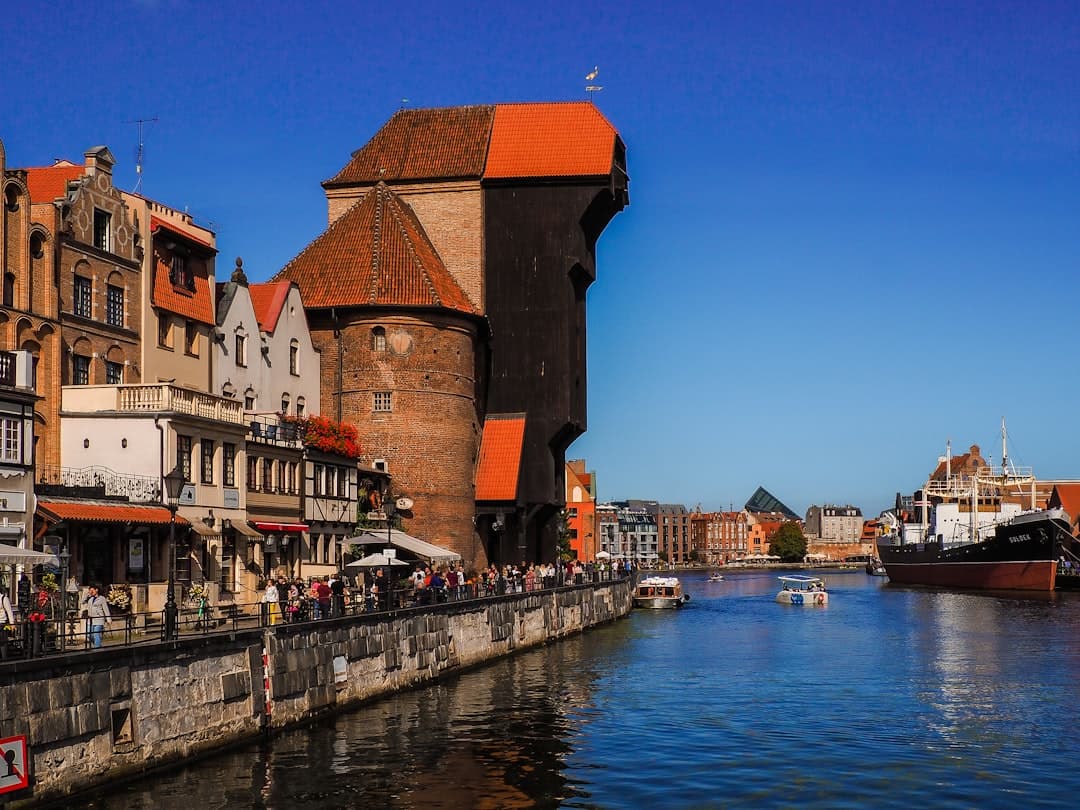
The Tri-City area — comprising Gdańsk, Gdynia, and Sopot — anchors the eastern segment of Poland's Baltic coast. Gdańsk offers well-preserved medieval architecture alongside its historically significant waterfront, while Sopot is recognized for its long wooden pier, one of the longest in the Baltic region, and its established resort infrastructure. Kołobrzeg, located further west, functions as a designated health resort town and draws visitors seeking spa and wellness services.
The Słowiński National Park, a UNESCO Biosphere Reserve situated between Łeba and Rowy, presents shifting sand dunes alongside coastal lakes, offering a landscape distinct from conventional beach tourism in Western Europe.
Infrastructure and Accessibility
Improved rail connections and expanded flight routes to Gdańsk's Lech Wałęsa Airport have made the region more accessible for international visitors. The development of accommodation options, ranging from budget hostels to mid-range hotels, has broadened the coast's appeal across different traveler demographics.
Poland's membership in the Schengen Area removes border formalities for travelers arriving from most EU member states, reducing logistical friction for short-stay visitors.
Seasonal Patterns
The Baltic coast experiences its primary tourism season between June and August, when water temperatures become suitable for swimming. Outside this window, the region attracts smaller numbers of visitors drawn to off-season pricing and quieter conditions at established resort towns.
The relatively lower cost of accommodation and food compared to Western European coastal destinations has been identified as a contributing factor in the region's rising international profile.
Open Questions
Whether the coast's infrastructure can absorb continued growth without straining local services, and how regional authorities plan to manage environmental pressure on protected coastal ecosystems, remain subjects of ongoing discussion among urban planners and conservation bodies.
Sources: Polish Tourism Organisation (Polska Organizacja Turystyczna), UNESCO Biosphere Reserves Directory, European Commission Schengen Area documentation, Gdańsk Lech Wałęsa Airport public records.
This article is based on a verified primary source. The text was editorially reviewed and fact-checked prior to publication.