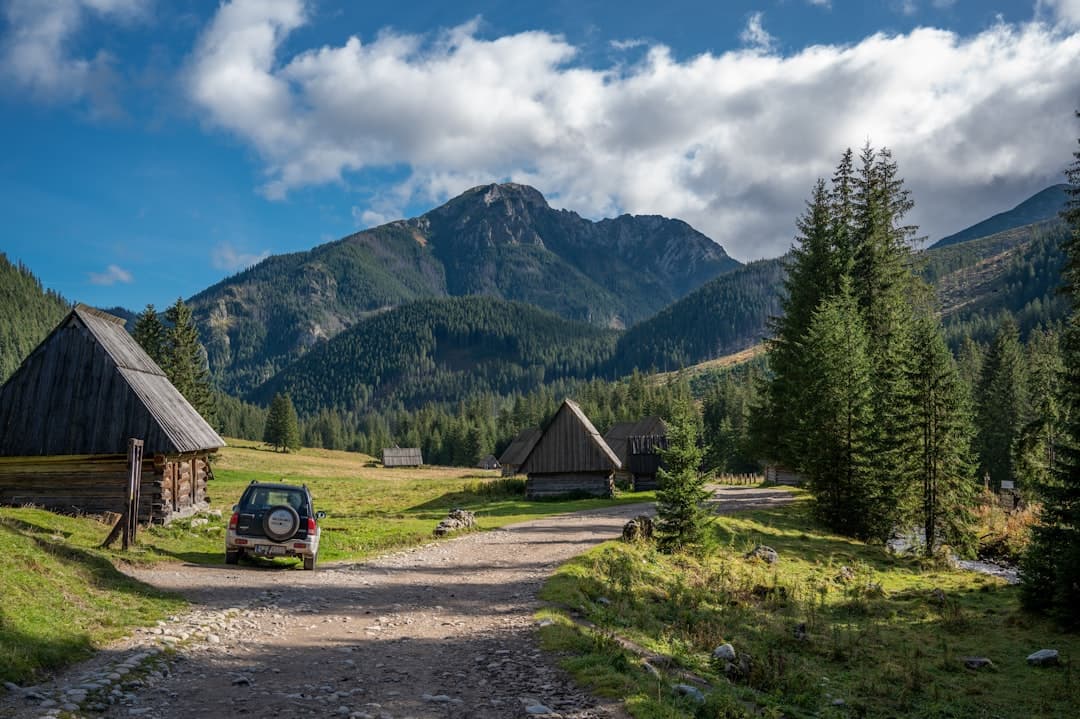
The Tatra Mountains, straddling the border between southern Poland and Slovakia, have established themselves as one of Central Europe's principal destinations for adventure tourism. The range, which falls within the boundaries of Tatra National Park on the Polish side, offers terrain suited to a broad spectrum of outdoor activities across multiple seasons.
Year-Round Appeal
During summer months, the Tatras attract hikers and trail runners drawn to marked routes that range from gentle valley walks to demanding high-altitude ridgelines, including the ascent to Rysy, the highest peak entirely within Polish territory. Winter transforms the region into a skiing hub, with the resort town of Zakopane serving as the primary gateway. Zakopane, often referred to as the winter capital of Poland, hosts ski slopes and cross-country trails catering to varying levels of experience.
Infrastructure and Accessibility
Zakopane is reachable by rail and road from Kraków, Poland's second-largest city, which itself is served by an international airport with connections across Europe. This relative accessibility has contributed to the area's appeal among travelers based in neighboring countries such as Germany, the Czech Republic, and Austria.
Accommodation options in the region span budget hostels to traditional góralski-style wooden guesthouses known as pensjonaty, reflecting the distinct highlander culture of the Podhale region. Local cuisine, including smoked oscypek cheese and hearty mountain stews, forms part of the cultural draw alongside the physical activities on offer.
Environmental Considerations
Tatra National Park operates under conservation regulations that restrict access to certain sensitive areas and require visitors to remain on designated trails. Park authorities have implemented measures to manage visitor pressure on popular routes, particularly during peak summer and winter periods.
Poland's broader Carpathian range, extending eastward through the Bieszczady Mountains, also attracts hikers seeking quieter, less commercialized landscapes, offering an alternative for travelers looking beyond the Tatras.
Open Questions
Whether regional transport upgrades will further increase visitor volumes, and how park authorities plan to balance conservation with rising tourism demand, remain subjects of ongoing discussion among Polish environmental and tourism bodies.
Sources: Tatra National Park (TPN) official documentation, Polish Tourism Organisation (POT), Zakopane municipal tourism resources, general geographic and travel reference data.
This article is based on a verified primary source. The text was editorially reviewed and fact-checked prior to publication.