Poland has steadily built a reputation as a cultural travel destination of considerable depth, offering visitors a range of historical, architectural, and artistic experiences that rival those of Western European capitals. Its cities preserve layers of history — from Gothic and Renaissance monuments to reconstructed post-war urban centers — that document some of the continent's most turbulent centuries.
UNESCO Heritage and Historic Cities
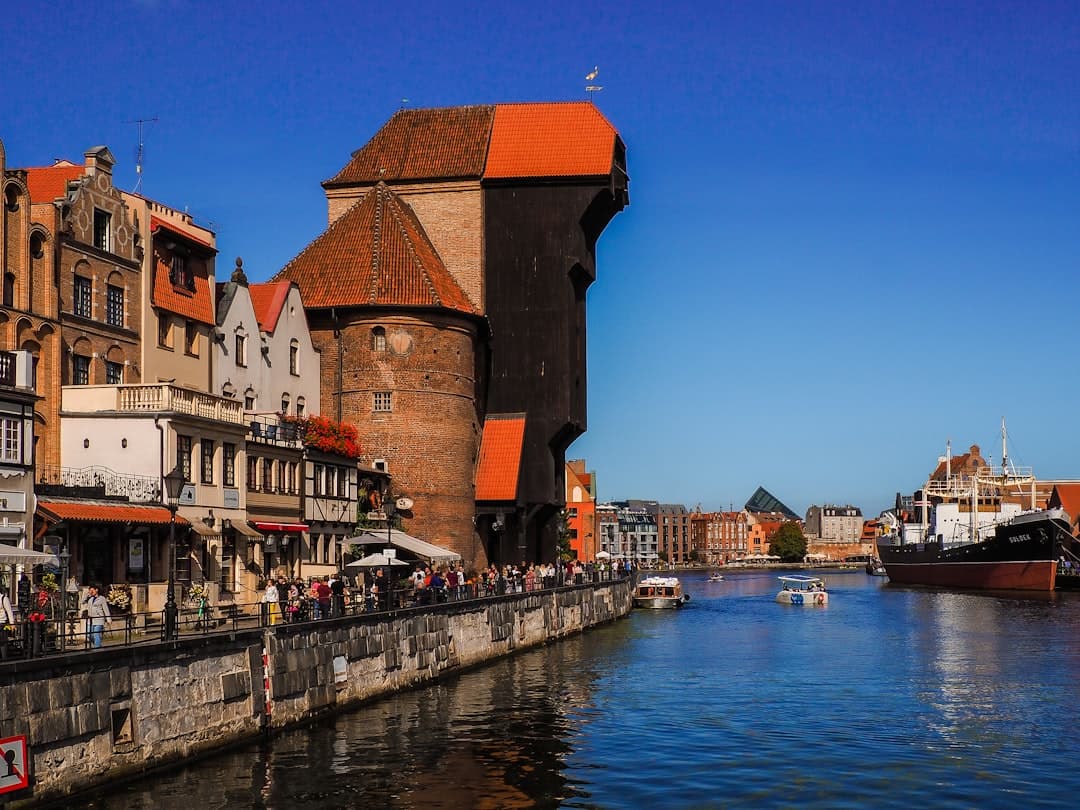
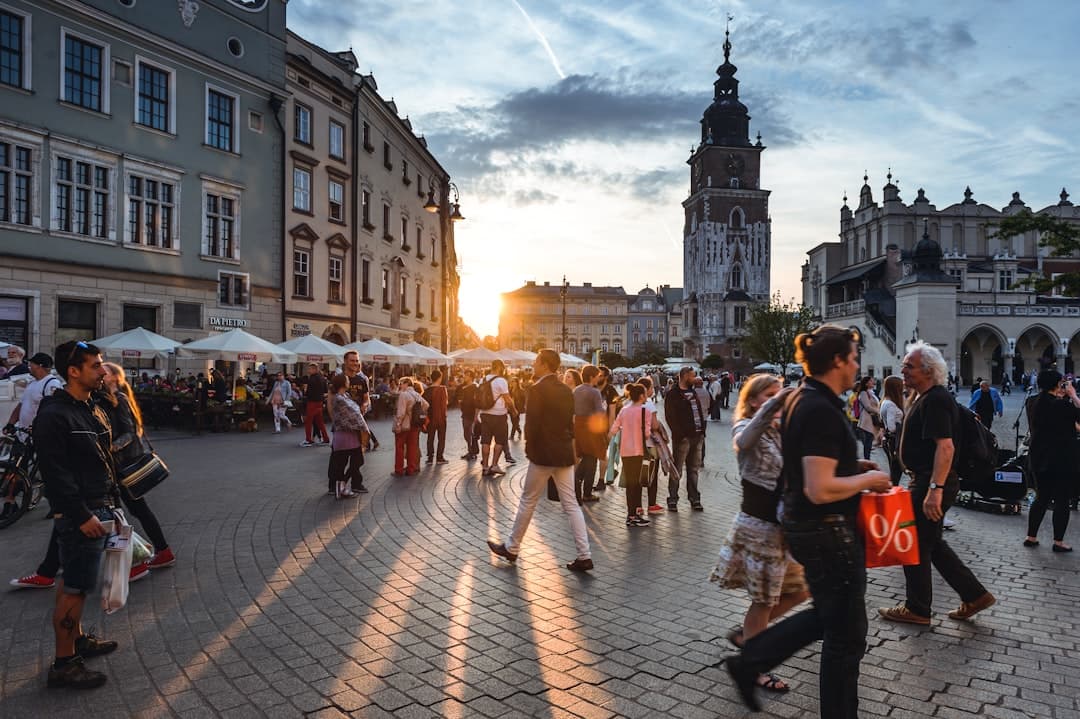
Kraków's Old Town and the Wieliczka Salt Mine are among Poland's multiple UNESCO World Heritage Sites, drawing international visitors in significant numbers each year. The Royal Road through Kraków's historic center connects Wawel Castle to the medieval market square, one of the largest in Europe. Gdańsk, a Hanseatic port city on the Baltic coast, offers a distinct architectural character rooted in its mercantile past, while Warsaw's painstakingly rebuilt Old Town — itself a UNESCO listing — stands as a document of post-war reconstruction efforts.
A Growing Arts and Festival Infrastructure
Poland has developed a robust calendar of cultural events spanning classical music, contemporary art, film, and theater. Kraków and Wrocław have both held the title of European Capital of Culture, a designation awarded by the European Union that reflects investment in arts infrastructure and programming. Warsaw hosts internationally recognized festivals in jazz, film, and contemporary music that attract audiences from across the continent.
Accessibility and Affordability
Poland's membership in the European Union has simplified travel logistics for European visitors, while its position outside the eurozone has historically kept costs lower than in many comparable Western European destinations. Major airports in Warsaw, Kraków, and Katowice maintain connections to a wide network of European cities, supported by both full-service and low-cost carriers.
As cultural tourism across Europe becomes more diversified, Poland's combination of heritage depth, active programming, and geographic accessibility continues to attract a broadening profile of international travelers.
Open Questions
How will Poland balance increased tourism with the preservation of its historic urban fabric? Will smaller cities such as Lublin or Poznań develop the infrastructure to absorb cultural tourism demand beyond the primary destinations?
Sources: UNESCO World Heritage List (whc.unesco.org), European Capitals of Culture program (ec.europa.eu), Polish Tourism Organisation (pot.gov.pl)
This article is based on a verified primary source. The text was editorially reviewed and fact-checked prior to publication.