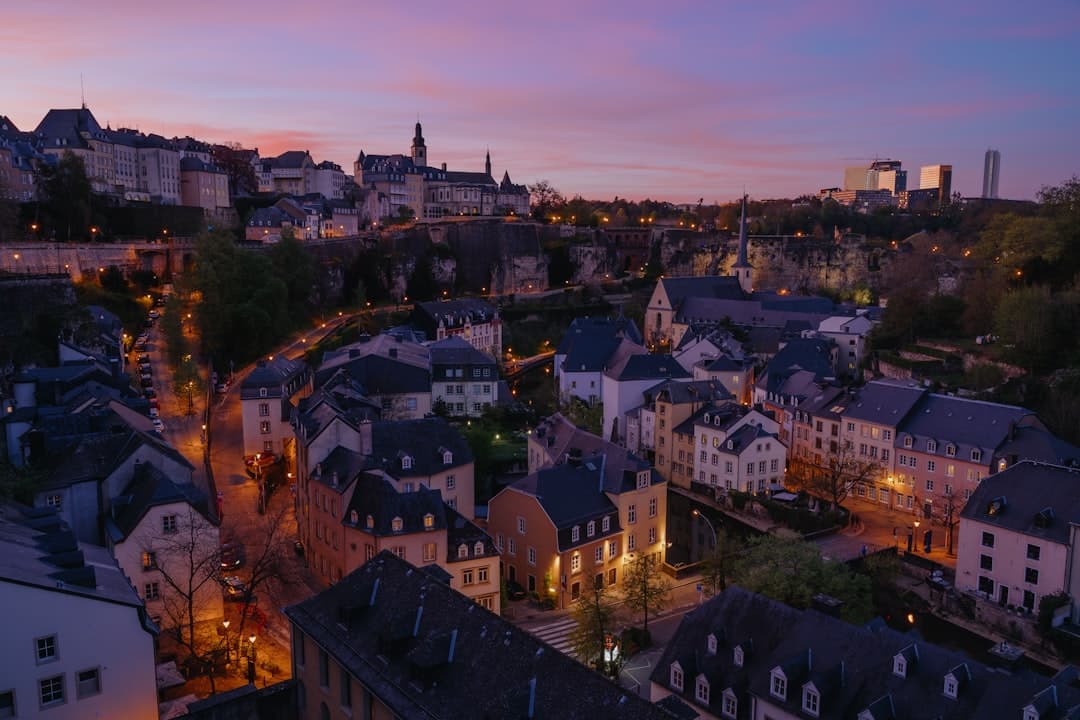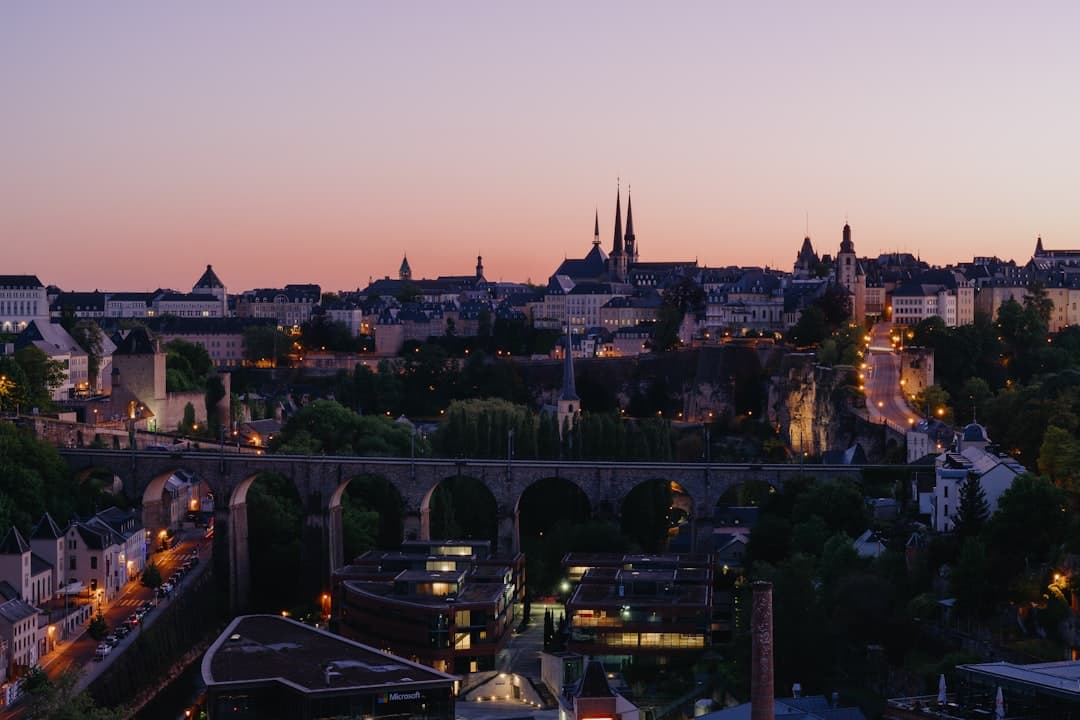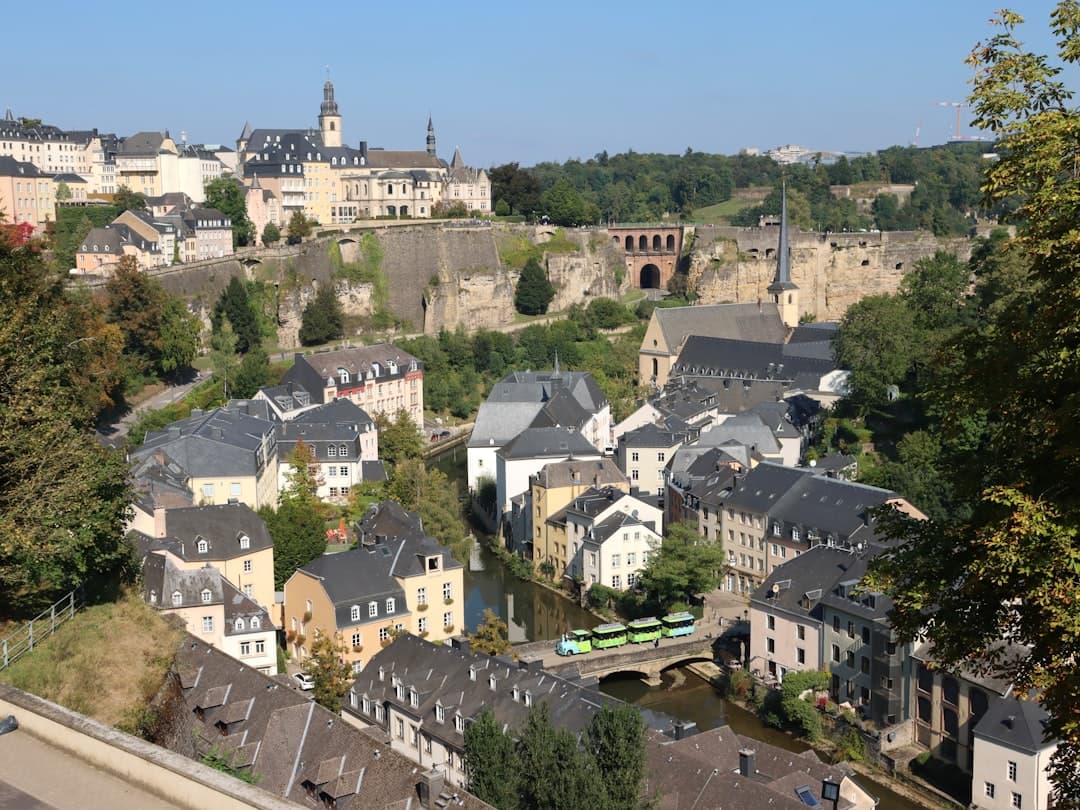
Situated at the crossroads of France, Germany, and Belgium, Luxembourg occupies a strategically central position within continental Europe. Its location places it within a short train or flight from major hubs including Paris, Brussels, Frankfurt, and Amsterdam, making it reachable for travellers across a broad geographic range without requiring extended transit time.
A Compact Destination with Considerable Depth
The Grand Duchy covers an area small enough to traverse by car in under two hours, yet it contains a notable variety of landscapes. The Ardennes plateau in the north, known locally as the Oesling, offers forested hiking terrain and river valleys, while the southern Gutland region features rolling agricultural plains and vineyard-lined riverbanks along the Moselle. Luxembourg City itself, built across dramatic gorges and plateaus, houses a UNESCO World Heritage-listed old town alongside a thriving European Quarter home to several major institutions of the European Union.
Multilingual Infrastructure
Luxembourg functions officially in three languages — Luxembourgish, French, and German — and the population demonstrates widespread proficiency in English as well. Signage, hospitality services, and public transport information are consistently accessible across languages, reducing friction for international visitors. The country's rail and bus network operates under a zero-fare public transport policy introduced in 2020, allowing visitors to travel between towns and regions without purchasing tickets.
Cultural and Gastronomic Range
Despite its size, Luxembourg maintains a well-developed museum sector, including the National Museum of History and Art and the Mudam contemporary art institution. The culinary scene reflects its cross-border position, drawing on French, German, and local Luxembourgish traditions. The Moselle wine region produces recognised Riesling and Crémant varieties under appellation-controlled designations.
For travellers seeking a destination that minimises logistical complexity while offering genuine historical and cultural content, Luxembourg's structural characteristics align closely with the practical constraints of a two-to-four-day itinerary.
Open Questions
Whether Luxembourg's relatively high cost of living compared to neighbouring regions affects its competitiveness against emerging short-break alternatives in Central and Eastern Europe remains a subject of ongoing discussion among tourism analysts.
Sources: Luxembourg Ministry of Tourism, UNESCO World Heritage List, European Commission institutional records, Luxembourg public transport authority (mobiliteit.lu)
This article is based on a verified primary source. The text was editorially reviewed and fact-checked prior to publication.