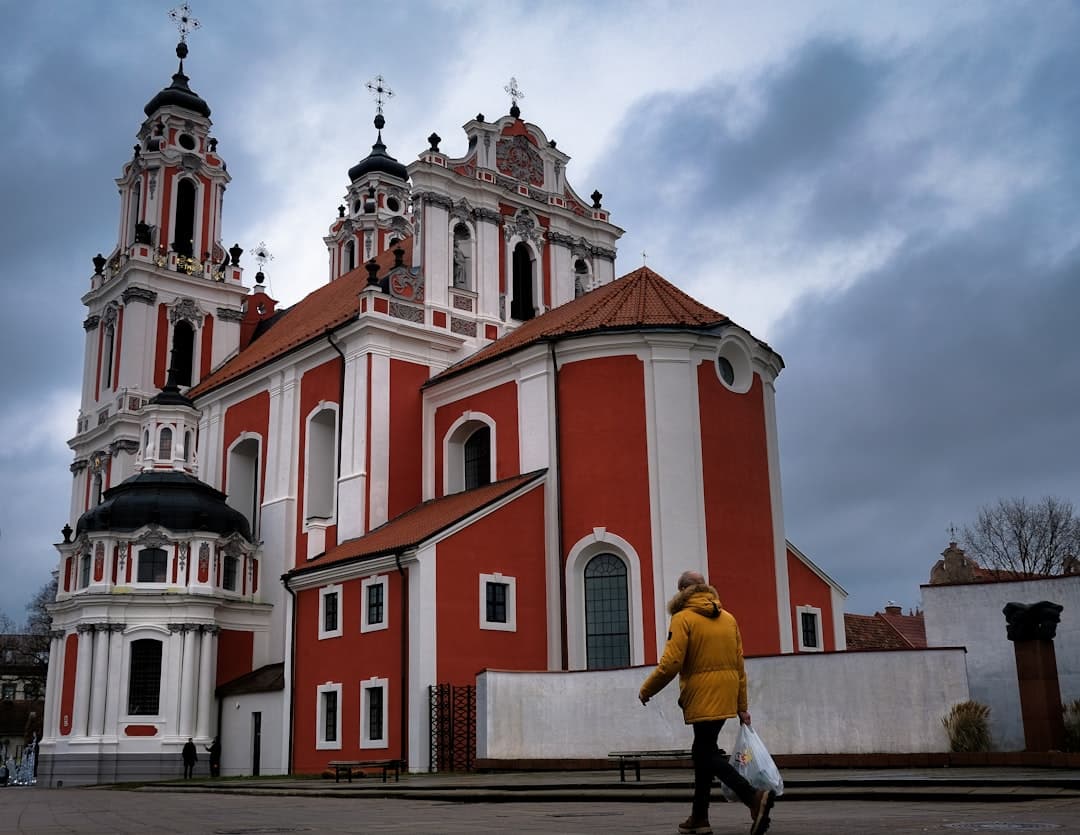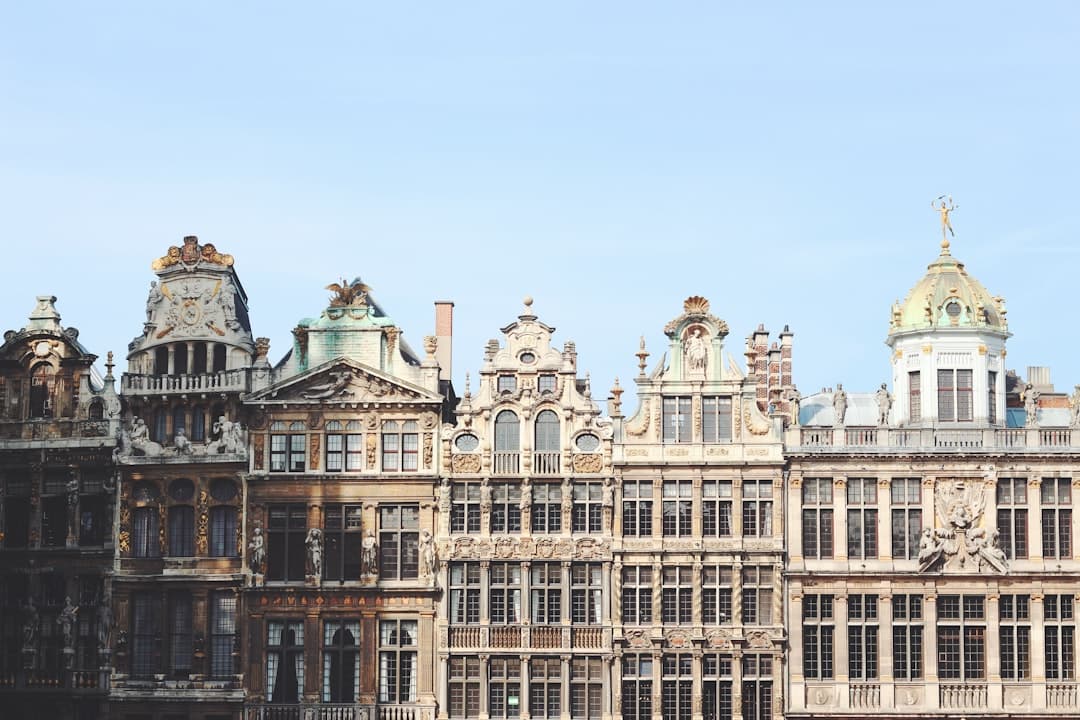
Lithuania's architectural heritage, shaped by centuries of religious and civic Baroque construction, has earned increasing recognition across European cultural circles. Vilnius, the country's capital, contains one of the largest surviving Baroque old towns in Northern Europe, a distinction acknowledged by its designation as a UNESCO World Heritage Site.
A City Shaped by Baroque Ambition
The Vilnius Historic Centre encompasses a dense concentration of churches, monasteries, and palatial buildings constructed primarily between the late 16th and early 18th centuries. St. Anne's Church and the Vilnius Cathedral Basilica rank among the most visited and studied structures in the region, drawing architects, historians, and conservation specialists from across the continent.
The development of Baroque style in Lithuania was closely tied to the influence of the Jesuit order, which established the Vilnius University complex in the late 16th century. That complex remains one of the oldest universities in Northern Europe and continues to function as an active academic institution.
Heritage Tourism and Cultural Exchange
European heritage organizations have increasingly incorporated Lithuanian sites into regional cultural itineraries. The country's participation in programs coordinated through the Council of Europe and European Heritage Days has helped raise the profile of its architectural inventory among international audiences.
Conservation efforts funded partly through European Union structural programs have supported the restoration of key monuments across Vilnius and beyond. Towns such as Kaunas, which holds its own distinct interwar modernist heritage alongside earlier Baroque influences, have also entered broader European cultural discussions.
Scholarly and Institutional Interest
Academic conferences focused on Central and Eastern European Baroque traditions have increasingly featured Lithuanian case studies, reflecting a wider scholarly reassessment of the region's contributions to European art history. Lithuanian museums and research institutions have developed partnerships with counterparts in Germany, Poland, and Austria to document and preserve shared artistic heritage.
As European cultural tourism continues to diversify beyond its traditional western hubs, Lithuania's architectural identity presents a well-documented and accessible chapter in the continent's shared historical narrative.
Open Questions
How will ongoing urbanization pressures in Vilnius affect the long-term integrity of its UNESCO-protected zones? Will increased international tourism require new infrastructure investment that could alter the character of heritage districts?
Sources: UNESCO World Heritage List (whc.unesco.org), Council of Europe Heritage Programs, European Heritage Days (europeanheritagedays.com), Vilnius University institutional history.
This article is based on a verified primary source. The text was editorially reviewed and fact-checked prior to publication.