Latvia maintains four designated national parks — Gauja, Ķemeri, Slītere, and Rāzna — each recognized under European Union environmental protection frameworks and collectively covering a substantial portion of the country's territory. Together, they form a connected fabric of protected land that spans ancient river valleys, raised bog systems, old-growth forest, and lakeside habitats.
Gauja: The Country's Oldest and Largest Park
Established in 1973, Gauja National Park in the Vidzeme region is Latvia's oldest protected area. The park follows the Gauja River valley and contains sandstone cliffs, medieval castle ruins, and dense mixed forest. It is accessible from the town of Sigulda and supports year-round tourism, including hiking trails, cycling routes, and winter sports facilities.
Coastal and Wetland Ecosystems
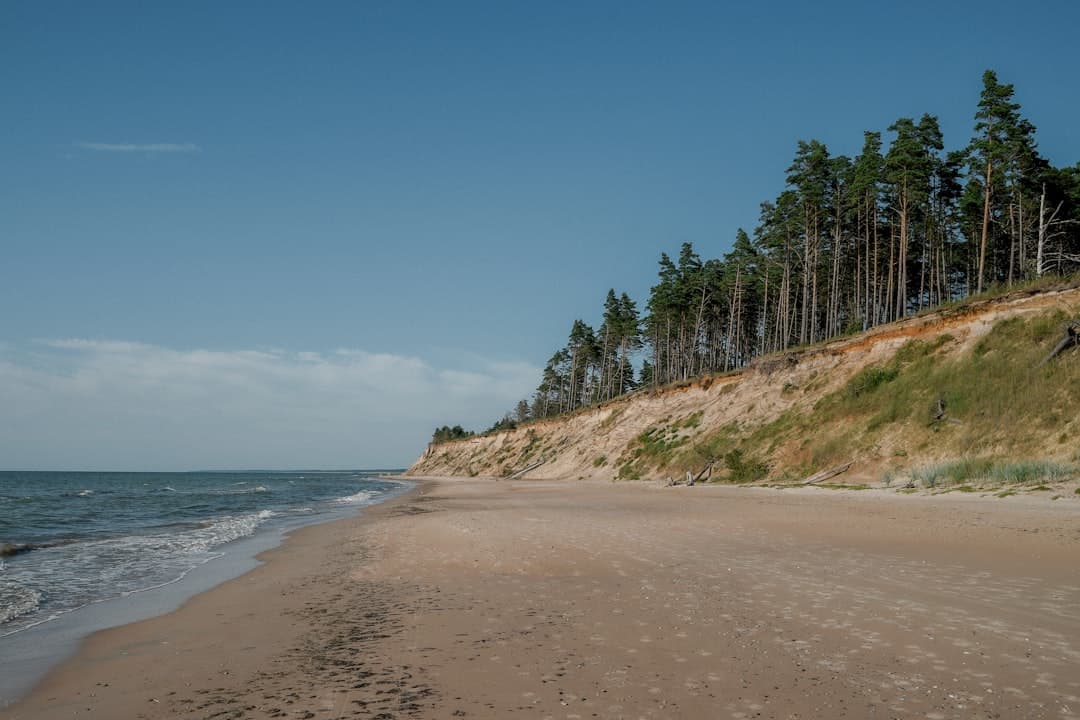
Ķemeri National Park, located near the Gulf of Riga, is recognized under the Ramsar Convention as a wetland of international importance. The park's bog trails and sulfur spring landscapes attract both nature walkers and researchers. Slītere National Park, situated on the Courland Cape in Latvia's northwest, preserves ancient coastal bluffs and a biodiversity corridor that has remained largely intact since the last Ice Age.
Eastern Lakes and Latgale
Rāzna National Park in the Latgale region centers on Latvia's second-largest lake and surrounding forests. The area supports populations of white-tailed eagles and osprey, making it a destination for birdwatchers. The park forms part of a broader cross-border ecological network shared with neighboring Belarus.
Infrastructure and Accessibility
Latvia's nature tourism infrastructure includes marked trail networks, visitor centers, and designated camping areas managed by the Latvian Nature Protection Board. The parks are accessible by public transport from Riga, the capital, lowering the barrier for travelers without private vehicles.
Open Questions
How Latvia plans to manage increasing visitor pressure on sensitive bog and old-growth habitats remains an ongoing policy discussion. The long-term impact of climate change on the country's wetland ecosystems also warrants continued monitoring.
Sources: Latvian Nature Protection Board (daba.gov.lv), Ramsar Convention Secretariat, European Environment Agency, UNESCO World Network of Biosphere Reserves
This article is based on a verified primary source. The text was editorially reviewed and fact-checked prior to publication.