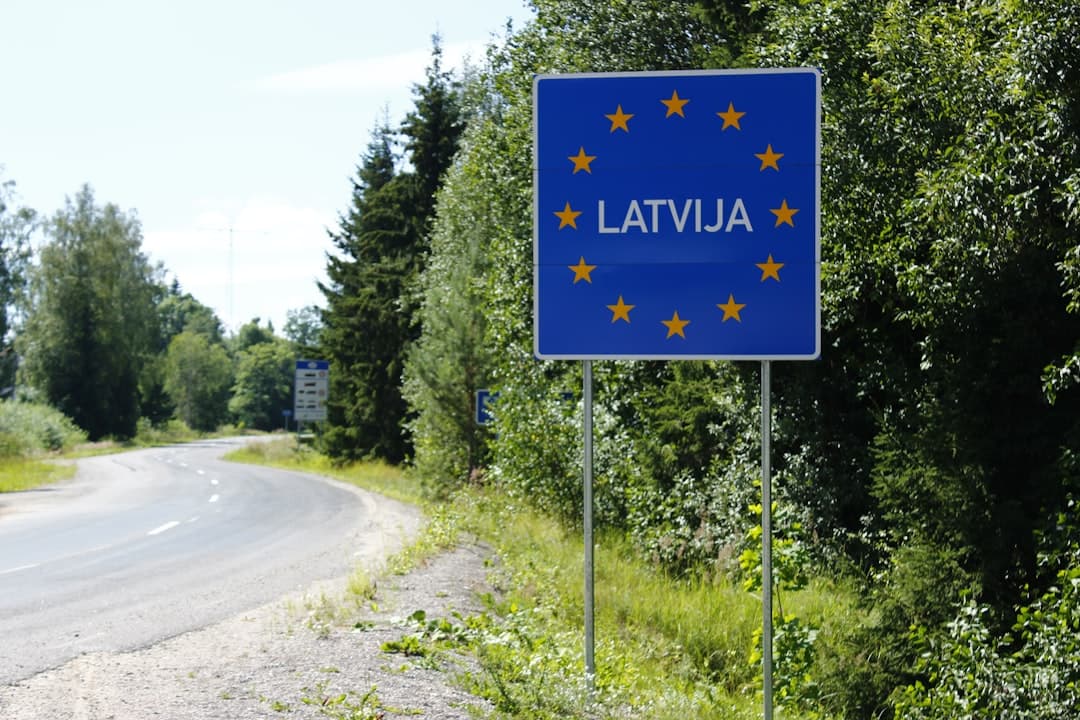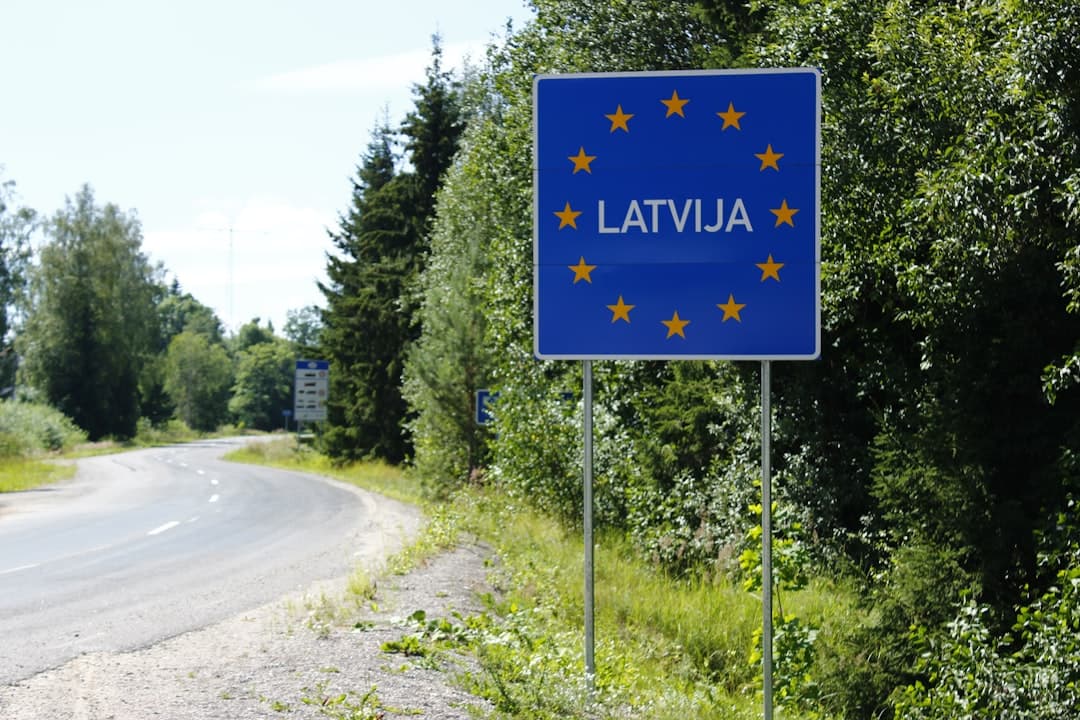
Latvia occupies a distinctive position in European sustainable tourism, offering a combination of natural assets and policy frameworks that align with the European Union's broader environmental goals. More than half of Latvia's territory is covered by forest, making it one of the most densely wooded countries in Europe and a natural foundation for ecotourism development.
Nature as Infrastructure
The country's national parks — including Gauja, Kemeri, and Slītere — provide protected landscapes that attract hikers, birdwatchers, and cycling tourists. Gauja National Park, the oldest in the Baltic states, encompasses river valleys, medieval castle ruins, and sandstone outcrops, offering visitors a layered experience of natural and cultural heritage without requiring heavy tourist infrastructure.
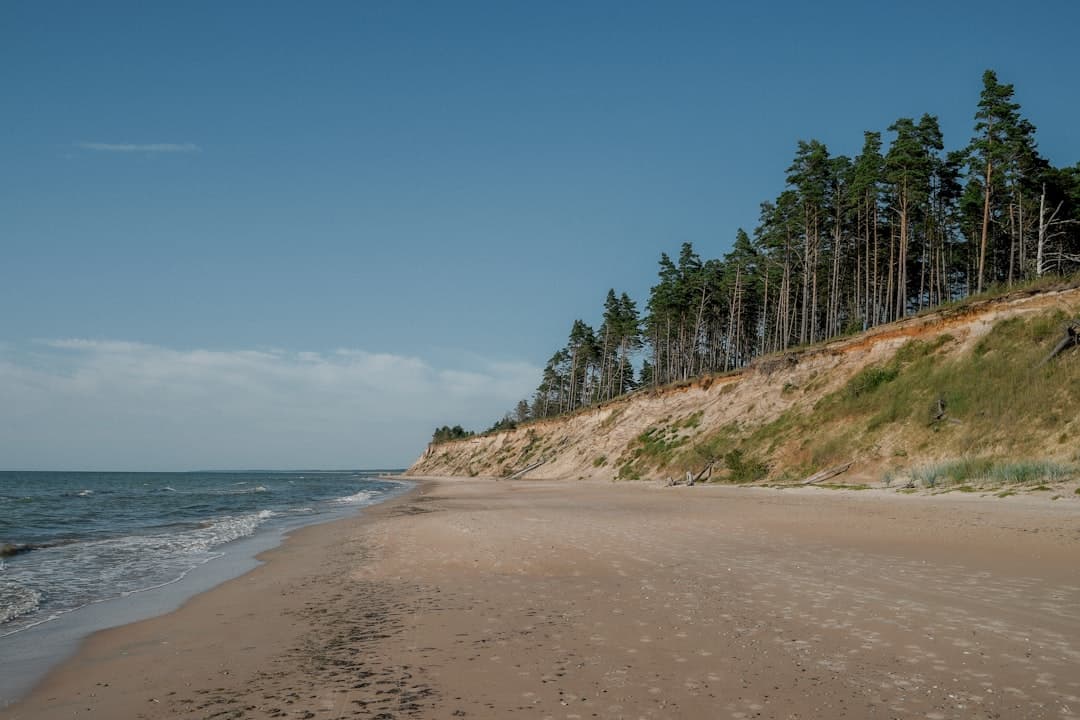
Latvia's coastline along the Gulf of Riga and the Baltic Sea includes stretches of undeveloped shoreline and pine-backed dunes, particularly around Cape Kolka in the Slītere reserve. These areas fall under strict conservation designations that limit commercial development, preserving their ecological character.
Policy and Certification
Latvian tourism operators have increasingly sought certification under recognized European ecotourism standards. The country participates in EU-funded rural development programs that incentivize low-impact accommodation, locally sourced food supply chains, and the restoration of traditional farmstead tourism — known locally as lauku tūrisms. This rural tourism sector has expanded significantly over the past two decades, distributing visitor spending across the country rather than concentrating it in Riga.
Accessibility and Carbon Footprint
Riga's international airport connects Latvia to major European hubs, while domestic travel relies heavily on rail and cycling routes. The country's compact size allows visitors to reach natural sites from the capital within a few hours, reducing internal transportation emissions relative to larger destinations.
Latvia's combination of protected land area, EU-aligned environmental policy, and a mature rural tourism network positions it as a measurable benchmark for sustainable travel practices within the Baltic and broader Nordic-European corridor.
Open Questions
How will Latvia balance increased international tourist arrivals with the carrying capacity of its protected natural areas? Can rural ecotourism infrastructure scale without compromising the low-impact qualities that define it?
Sources: European Environment Agency, Latvia Tourism Development Guidelines, Europarc Federation, Latvian Rural Tourism Association (Lauku ceļotājs), EU Cohesion Fund rural development documentation.
This article is based on a verified primary source. The text was editorially reviewed and fact-checked prior to publication.