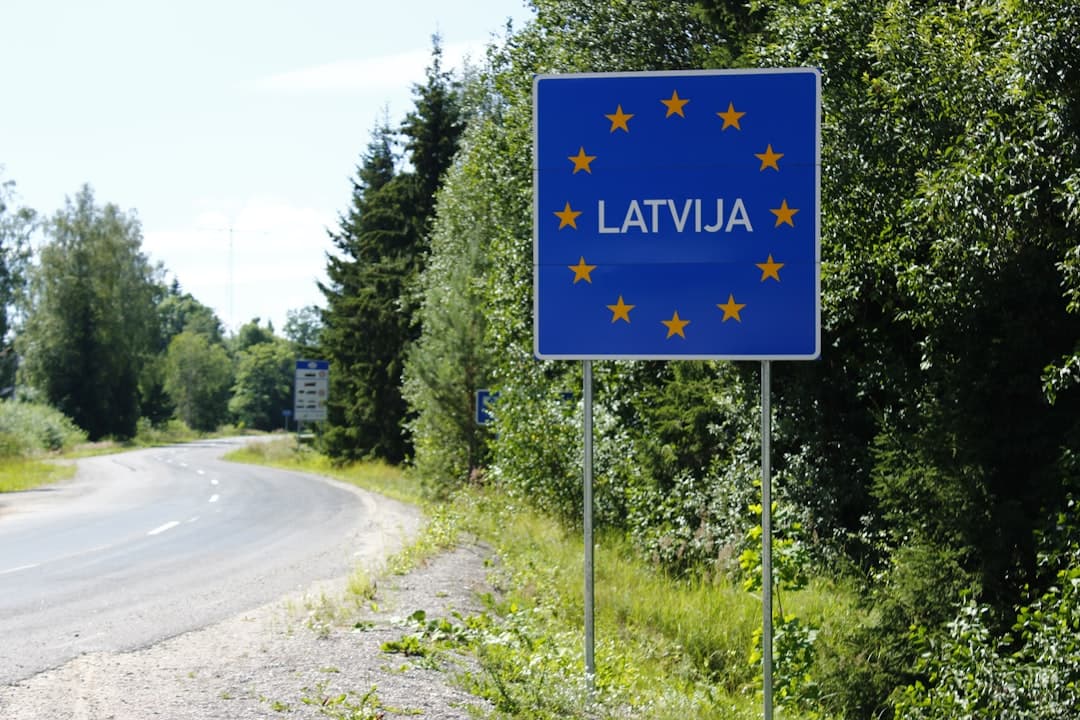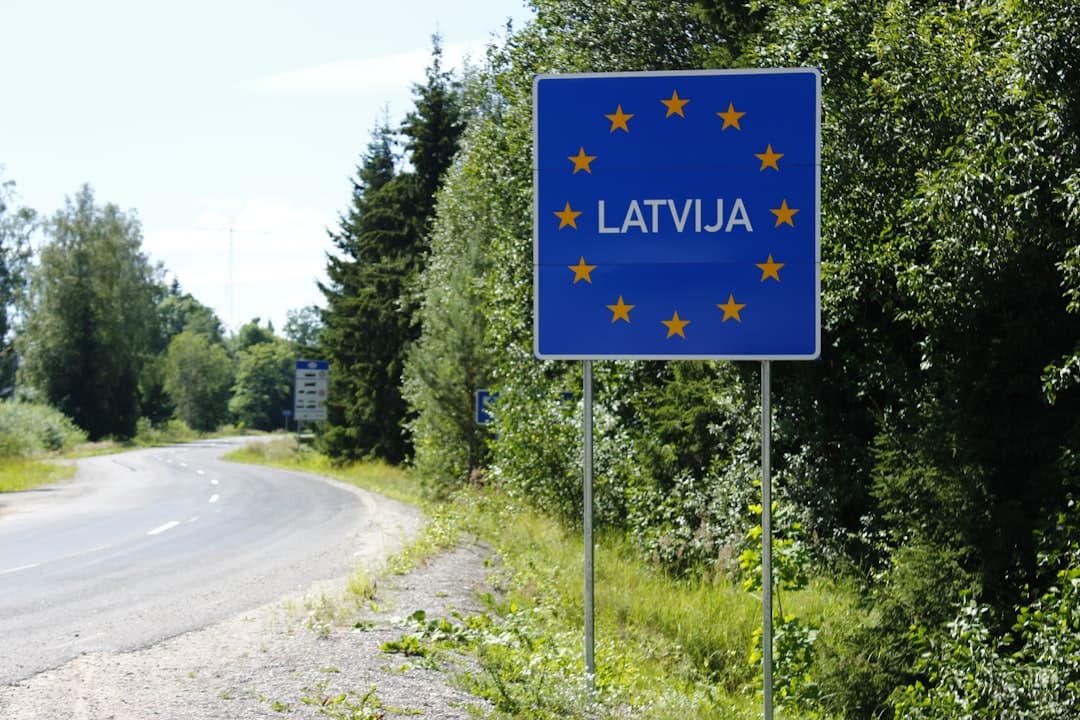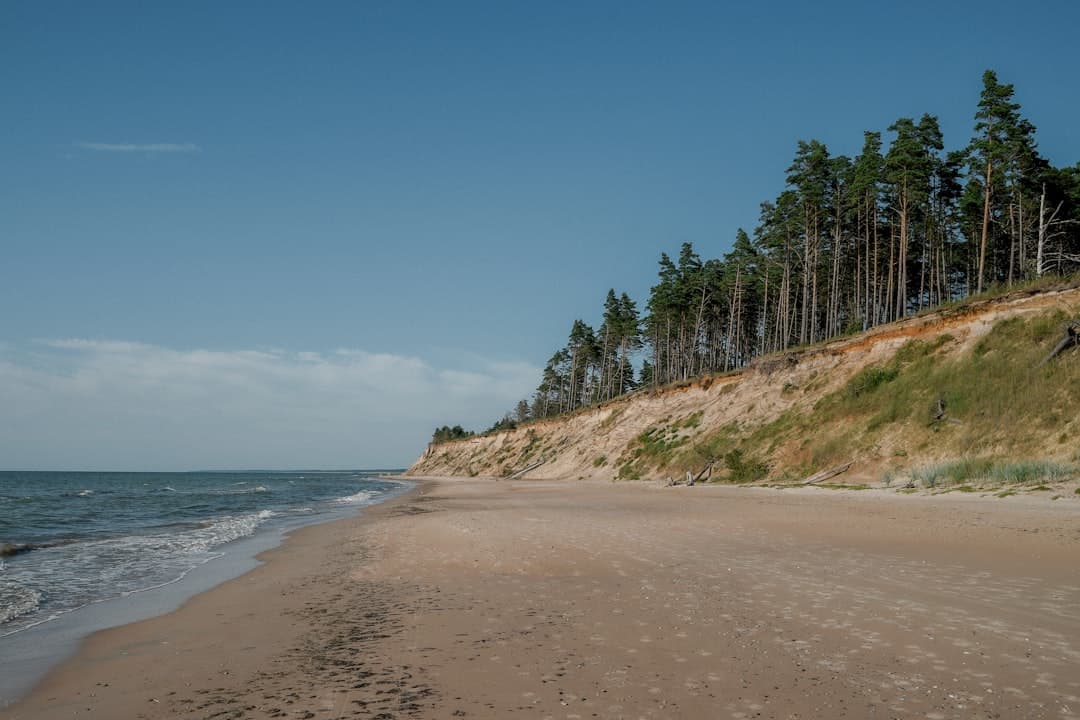
Latvia's Baltic coastline, long overshadowed by the country's capital Riga in regional tourism promotion, has gained measurable traction among European summer travelers in recent years. The stretch of shore running from the Lithuanian border in the south to the Gulf of Riga in the north offers a mix of natural environments that distinguish it from more saturated beach destinations elsewhere on the continent.
Jūrmala Leads the Coastal Appeal
The resort town of Jūrmala, situated roughly 25 kilometers west of Riga, remains the most recognized point along the Latvian coast. Known for its wooden Art Nouveau and vernacular architecture dating to the late 19th and early 20th centuries, the town draws visitors interested in both beach access and built heritage. The area's shallow, calm waters along the Gulf of Riga are considered suitable for families and less experienced swimmers.
Lesser-Known Stretches Attract Independent Travelers
Beyond Jūrmala, sections of coastline near Cape Kolka and within the Slītere National Park have drawn visitors seeking less commercial environments. The cape, located at the northwestern tip of the Courland Peninsula, sits at the confluence of the Gulf of Riga and the open Baltic Sea, creating a visually distinct landscape. The national park surrounding the area includes protected dune systems, ancient fishing villages, and dense coastal forest.
Infrastructure and Accessibility
Rail connections between Riga and Jūrmala operate frequently during summer months, making the coast accessible without a private vehicle. Budget airline routes into Riga from multiple European cities have expanded over the past decade, reducing travel barriers for visitors from Western and Central Europe. Accommodation options range from Soviet-era sanatoriums converted into hotels to smaller guesthouses and rental properties.
Broader Baltic Tourism Context
Latvia's coastal growth fits within a wider pattern of increased interest in the Baltic states as travel destinations. Estonia and Lithuania have similarly reported stronger tourism figures in recent summers, with the region collectively benefiting from its reputation for relatively low costs, manageable crowd levels, and distinct cultural identities.
Open Questions
Whether Latvia's coastal infrastructure can absorb sustained tourism growth without affecting its natural and architectural character remains an open consideration for regional planners and conservation bodies.
This article is based on a verified primary source. The text was editorially reviewed and fact-checked prior to publication.