Riga, the capital of Latvia, has been gaining momentum as a destination for short European city breaks, with the city's combination of well-preserved medieval architecture, Baltic cuisine, and comparatively low visitor costs drawing travelers from across the continent.
A City Built for Exploration
The historic center of Riga, known as Vecrīga, is a UNESCO World Heritage Site recognized for its concentration of Art Nouveau architecture — one of the largest such collections in Europe. The area is compact and walkable, a practical advantage for travelers on limited time who want to cover significant ground on foot over a long weekend.
Beyond the Old Town, the Central Market — housed in former Zeppelin hangars — and the Latvian National Museum of Art offer additional anchors for visitors with broader cultural interests. The city's position on the Daugava River adds a geographic dimension that distinguishes it from landlocked Central European capitals.
Connectivity and Affordability
Riga International Airport maintains direct connections to numerous European cities, served by both full-service carriers and low-cost airlines. This accessibility has made the Latvian capital a viable option for spontaneous or budget-conscious travelers who may previously have defaulted to more familiar destinations such as Prague, Kraków, or Tallinn.
Accommodation, dining, and local transport in Riga remain noticeably less expensive than in Western European capitals, a factor that continues to influence destination choices among cost-aware travelers.
Seasonal Considerations
The city draws visitors across multiple seasons. Summer brings long daylight hours and outdoor festivals, while winter months are associated with Christmas markets in the Old Town and a quieter, frost-lit atmosphere that appeals to a different traveler profile. The shoulder seasons of spring and autumn see reduced crowds with largely stable weather conditions.
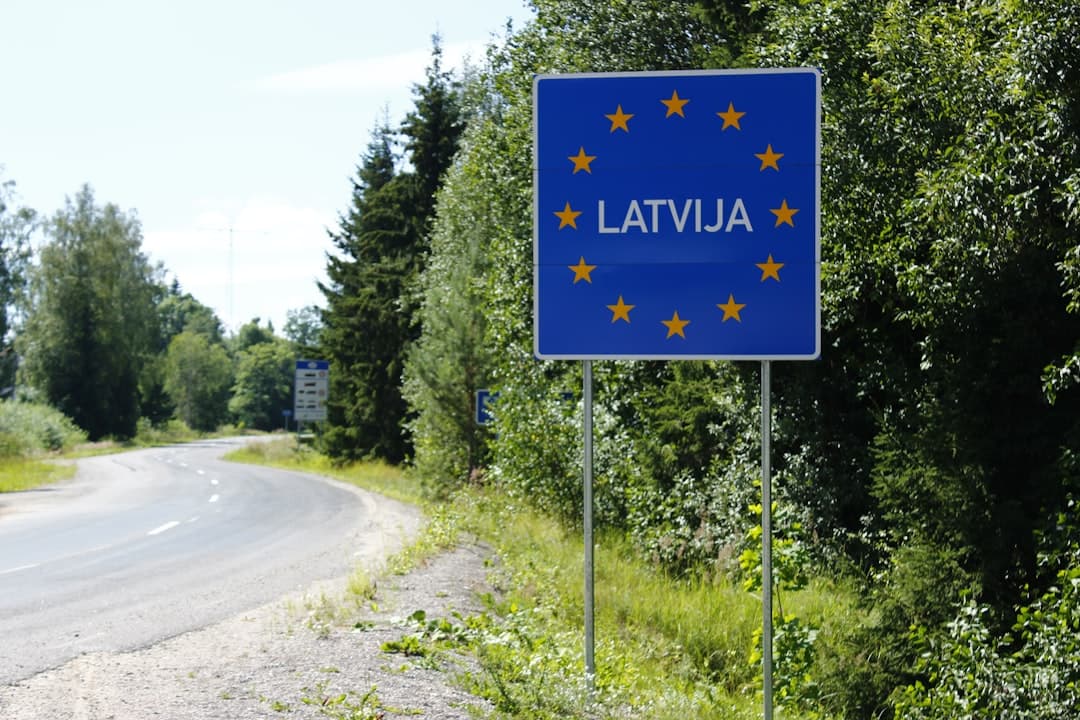
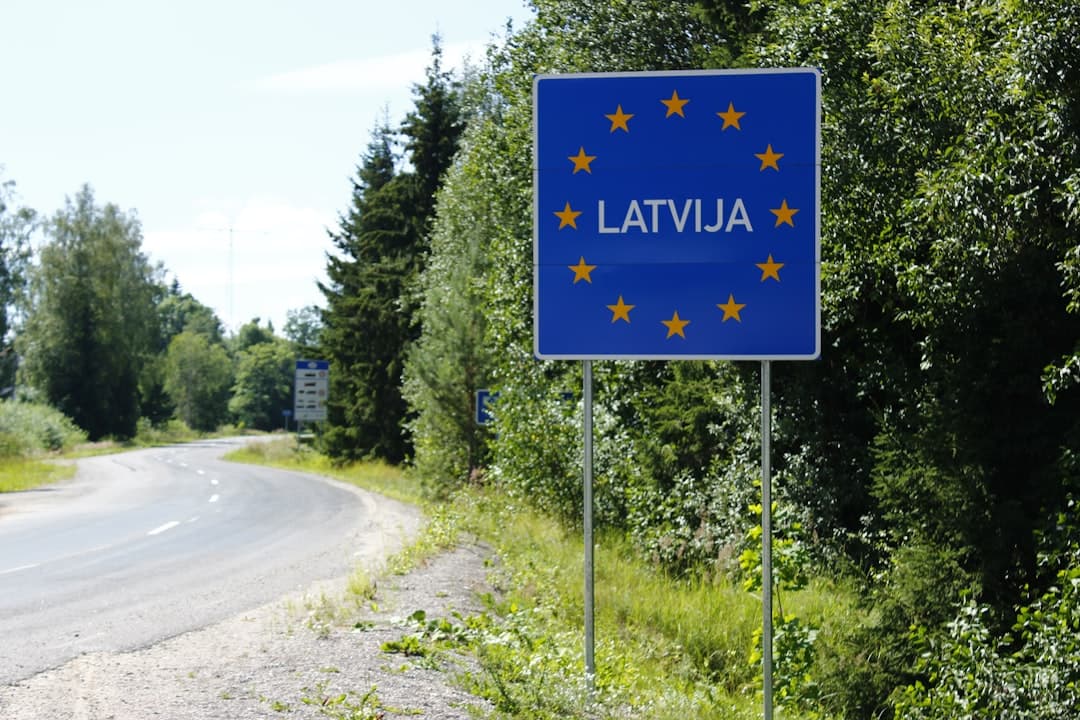
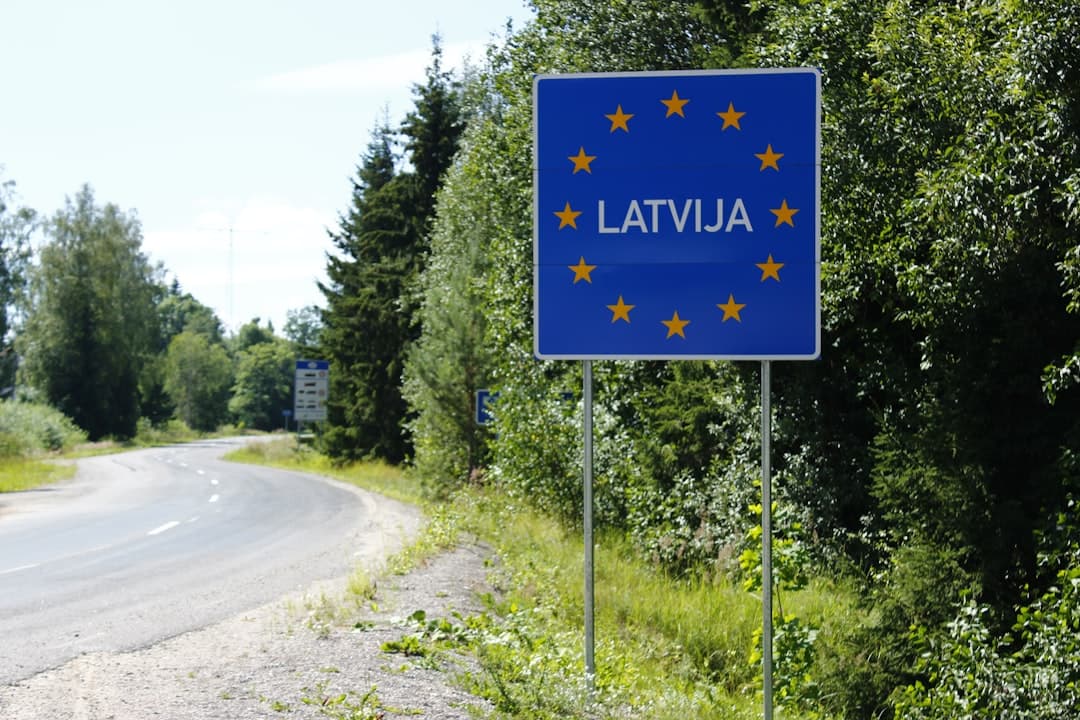
Latvia's broader tourism infrastructure has developed steadily since the country joined the European Union in 2004, with Riga remaining the primary point of entry and the dominant focus of the country's inbound travel market.
Open Questions
Whether Riga can sustain growth in visitor numbers without accelerating the over-tourism pressures seen in comparable historic city centers remains an open consideration for local planners and the tourism sector alike.
Sources: UNESCO World Heritage List, Riga International Airport, European Commission tourism data, Latvian Investment and Development Agency
This article is based on a verified primary source. The text was editorially reviewed and fact-checked prior to publication.