Northern Spain's Atlantic coastline, long overshadowed by the country's sun-drenched southern resorts, has been attracting increasing numbers of visitors from across Europe. The stretch of territory running from Galicia in the west through Asturias and Cantabria to the Basque Country offers a markedly different experience from the Costa del Sol or the Balearic Islands.
A Different Kind of Spanish Coast
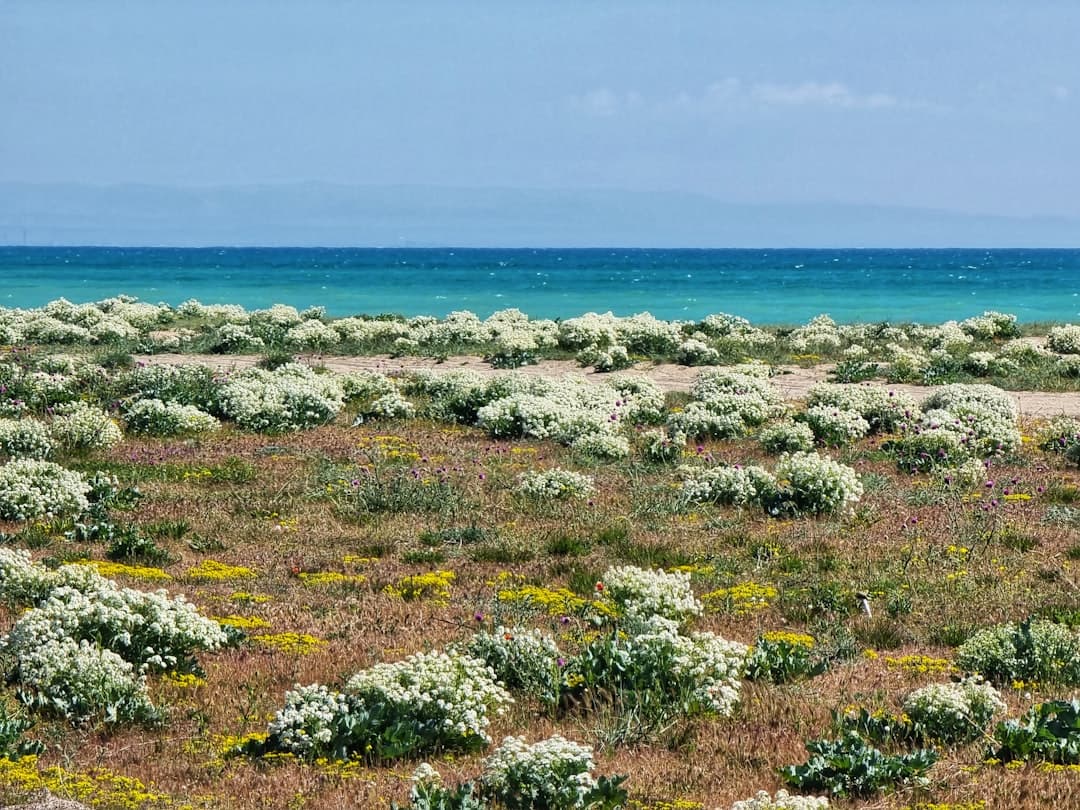
Known collectively in parts as the Costa Verde, or Green Coast, the northern shoreline is characterized by steep cliffs, wide estuaries, and verdant hinterlands fed by Atlantic rainfall. Beaches such as those found along the Asturian coast and the Cantabrian shore remain comparatively uncrowded relative to their Mediterranean counterparts, a quality that has become more appealing as southern resorts contend with overtourism pressures.
Gastronomy as a Draw
The Basque Country, and San Sebastián in particular, has maintained an internationally recognized culinary scene built around pintxos culture and a concentration of Michelin-starred restaurants. Galicia draws visitors partly through its seafood traditions, with octopus, percebes, and fresh shellfish deeply embedded in regional cuisine. This gastronomic identity has proven effective in attracting travelers whose primary motivation extends beyond beach access.
Infrastructure and Connectivity
Airports in Bilbao, Santiago de Compostela, and Asturias connect the region to major European cities, and continued investment in rail links has made coastal towns more accessible from Madrid and beyond. The Camino de Santiago pilgrimage routes, which converge on the Galician capital, bring a steady flow of international visitors who frequently extend their stays to explore the surrounding coastline.
Seasonal Patterns
Unlike southern Spain, the north draws visitors primarily during summer months, as Atlantic weather patterns bring rain and cooler temperatures in other seasons. Regional tourism bodies have pursued strategies to extend the shoulder season by promoting cultural festivals, hiking routes, and culinary tourism as year-round attractions.
Open Questions
Whether northern Spain's infrastructure can absorb significantly higher visitor volumes without replicating the overtourism challenges seen elsewhere in the country remains an open consideration for regional planners.
Sources: Spain Tourism Board (Turespaña), Michelin Guide, Galicia Regional Tourism Authority, European Travel Commission regional reports.
This article is based on a verified primary source. The text was editorially reviewed and fact-checked prior to publication.