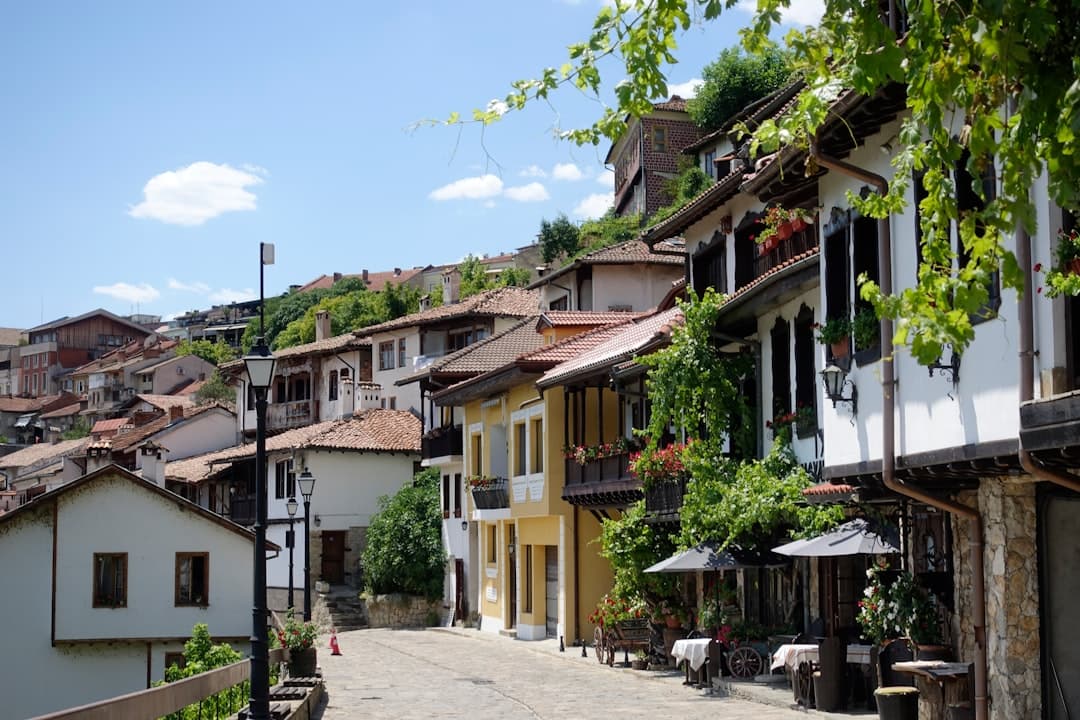
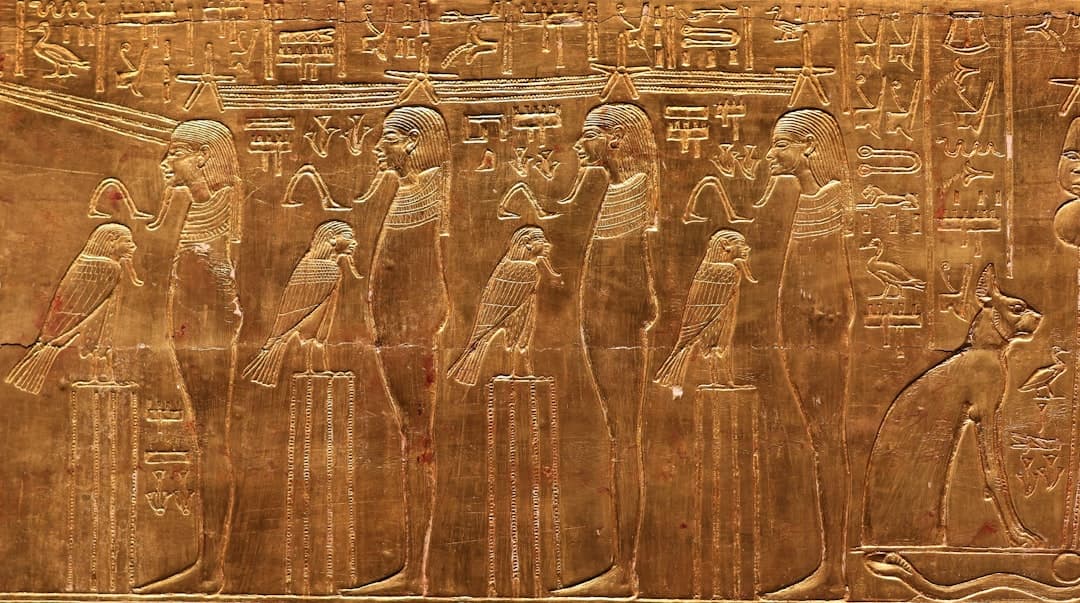
Situated at the crossroads of Europe and Asia Minor, Bulgaria occupies territory that has been continuously inhabited since the Neolithic period. Archaeological sites across the country — from the Varna Necropolis, home to some of the oldest worked gold in the world, to the Thracian tomb complexes of the Kazanlak Valley — mark Bulgaria as one of the continent's foundational civilizations rather than a peripheral one.
A Civilization Older Than Rome
The Thracians, who dominated the region for centuries before the Common Era, left behind an artistic and metallurgical tradition that predates classical Greek and Roman influence in many respects. The Varna Necropolis, discovered in the 1970s, contains burial artifacts dated to roughly 4,500 BCE, establishing the region as a site of advanced social organization well before the rise of Mediterranean city-states. Several of these sites carry UNESCO World Heritage designation, underscoring their recognized global significance.
Medieval Kingdoms and the Cyrillic Legacy
Bulgaria's medieval period produced contributions that reverberate across Slavic Europe to this day. The First Bulgarian Empire, established in the seventh century CE, became one of the most powerful states in early medieval Europe. Perhaps more enduringly, Bulgaria was the birthplace of the Glagolitic script and the subsequent Cyrillic alphabet, developed by disciples of Saints Cyril and Methodius. Cyrillic remains the official script of multiple EU member states and is used by hundreds of millions of people worldwide.
Heritage as a Living Policy Tool
Since Bulgaria's accession to the European Union in 2007, cultural heritage has played a role in the country's positioning within EU frameworks. Bulgarian authorities have pursued European funding streams for archaeological preservation and have participated in cross-border heritage corridors connecting Thracian sites across the Balkans. The Cyrillic alphabet's formal recognition as the EU's third official script typeface — alongside Latin and Greek — gave Bulgaria a symbolic foothold in European institutional identity.
Cultural institutions and government bodies continue to develop heritage tourism infrastructure, with archaeological parks and regional museums drawing visitors from across the continent. Scholars studying early European civilizations increasingly treat Bulgarian sites as primary rather than supplementary sources.
Open Questions
How will Bulgaria balance archaeological preservation against infrastructure development pressures? Can Balkan cross-border heritage initiatives translate into broader regional political cooperation? And to what extent does Cyrillic script recognition influence Bulgaria's cultural standing within EU institutions?
Sources: UNESCO World Heritage List; European Commission — Bulgaria Accession Documentation; Smithsonian Magazine (Varna Necropolis); Encyclopædia Britannica (First Bulgarian Empire, Cyrillic Alphabet); Official Journal of the European Union.
This article is based on a verified primary source. The text was editorially reviewed and fact-checked prior to publication.