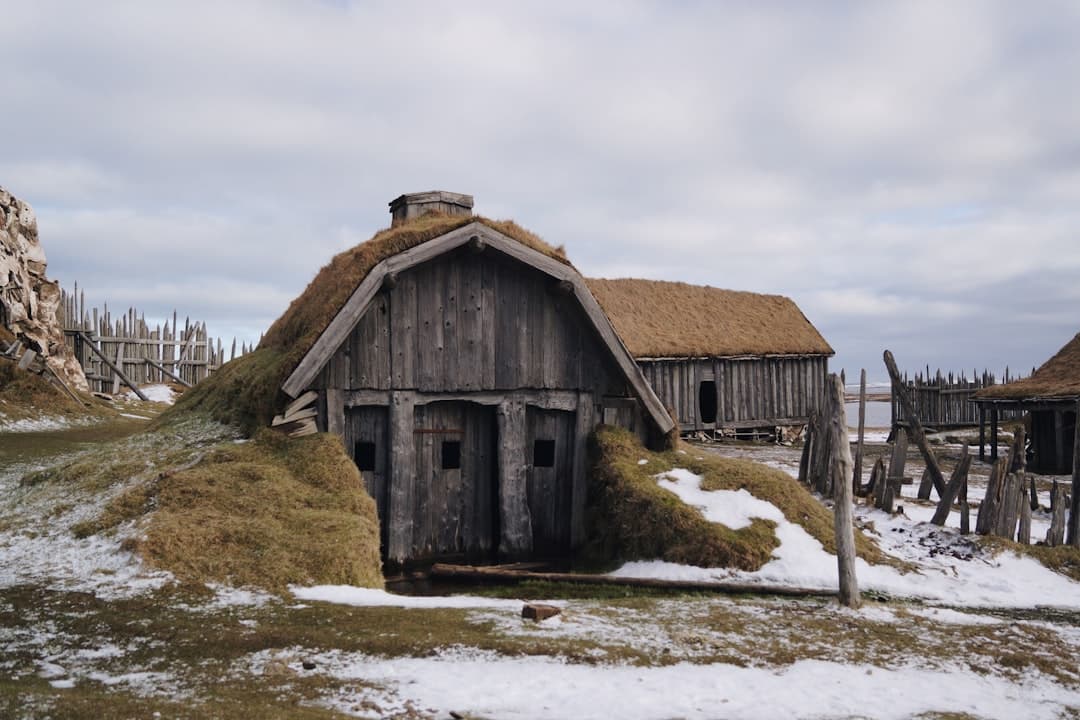
Denmark occupies a particular place in Scandinavian history as one of the heartlands of Viking civilization, a seafaring culture that expanded across Europe, the North Atlantic, and into parts of North America between roughly the 8th and 11th centuries. That legacy has not faded into purely academic interest — it remains woven into contemporary Danish identity in ways both visible and structural.
Language and Law
The Danish language retains a significant number of Old Norse words and grammatical structures, reflecting direct linguistic continuity from the Viking Age. Beyond vocabulary, historians have traced elements of Scandinavian legal custom — including principles related to communal land use and local assembly governance — to pre-medieval Nordic traditions that predate the consolidation of the Danish kingdom.
Archaeological Foundations
Denmark holds some of the most significant Viking-era archaeological sites in the world. The Trelleborg ring fortresses, the Jelling monuments — a UNESCO World Heritage Site — and the ongoing excavations at Ribe, considered among the oldest towns in Scandinavia, provide material evidence of a sophisticated society with extensive trade networks. The National Museum of Denmark in Copenhagen houses one of Europe's foremost collections of Viking artifacts, drawing visitors from across the globe.
Cultural and Commercial Reach
The Viking image functions prominently in Danish tourism, national branding, and popular media. Danish institutions actively promote Norse heritage as a foundation of national character, and the subject forms part of the standard school curriculum. International interest, driven in part by television productions and video games referencing Norse mythology, has amplified global awareness of Denmark's historical role.
A Contested Legacy
Scholars have increasingly examined how Viking identity is interpreted and, at times, selectively appropriated. Academic institutions in Denmark and abroad have published research distinguishing historical fact from romanticized mythology, particularly regarding the appropriation of Viking symbols by nationalist movements in various countries. Danish cultural bodies have engaged with these discussions publicly, seeking to contextualize the heritage within a broader and more accurate historical framework.
Open Questions
How will Danish institutions balance the promotion of Viking heritage with the need to address its contested modern interpretations? What further archaeological discoveries may reshape the current understanding of Viking-era Denmark?
Sources: UNESCO World Heritage List (Jelling Monuments), National Museum of Denmark, Museum of Cultural History — University of Oslo, Cambridge History of Scandinavia
This article is based on a verified primary source. The text was editorially reviewed and fact-checked prior to publication.