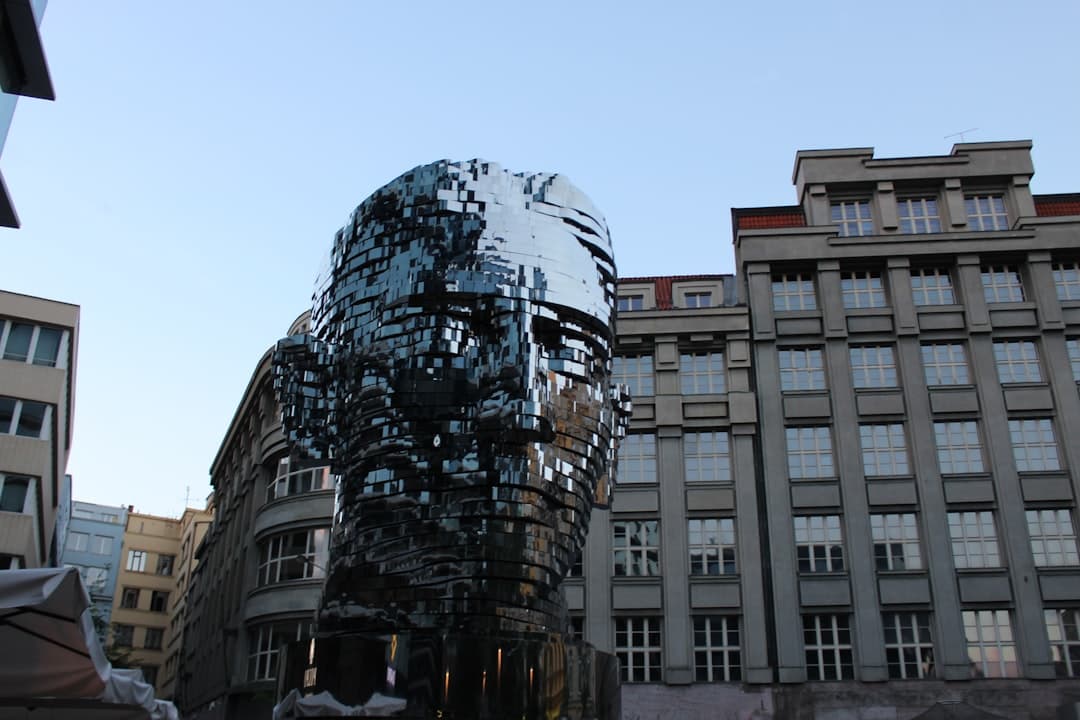
The Czech Republic occupies a distinctive position in European cultural life, with contributions spanning literature, film, music, architecture, and the visual arts that have shaped broader continental movements across multiple generations.
Literary Foundations
Franz Kafka, born in Prague in 1883, remains among the most widely studied and translated authors in European academic and literary circles. His influence on existentialist and absurdist literature extended across the 20th century and continues to inform contemporary fiction. Later, Milan Kundera — who spent much of his career in France — became a central figure in post-war European prose, with works translated into dozens of languages and taught in universities across the continent.
Film and the Visual Arts
The Czechoslovak New Wave, a cinematic movement that emerged in the 1960s, produced directors whose films entered the permanent collections of major European film archives and continue to be screened at international festivals. Jiří Menzel and Miloš Forman, among others, earned international recognition including Academy Awards, bringing Czech filmmaking into sustained European and global dialogue.
In the visual arts, Czech contributions to Cubism — particularly Czech Architectural Cubism, a movement unique to Bohemia in the early 20th century — are documented in museum collections across Europe and studied as a regional variant distinct from its French counterpart.
Performing Arts and Contemporary Presence
Czech theatre and puppetry traditions, including the Laterna Magika multimedia stage format developed in the mid-20th century, have been recognised by UNESCO and studied by performing arts institutions internationally. Contemporary Czech theatre companies regularly participate in European festivals, maintaining active cultural exchange with institutions in France, Germany, and Austria.
Czech classical music, rooted in composers such as Antonín Dvořák and Bedřich Smetana, remains a staple of European orchestral programming, with works performed regularly by ensembles from London to Vienna.
Open Questions
How are younger Czech artists navigating EU cultural funding structures to expand their international reach? To what extent do language barriers limit the circulation of contemporary Czech literature compared to its 20th-century predecessors?
Sources: UNESCO Intangible Cultural Heritage listings; Academy of Motion Picture Arts and Sciences records; European Film Academy archives; Czech Centre network documentation; Grove Music Online (Dvořák, Smetana entries); Stanford Encyclopedia of Philosophy (Kafka entry).
This article is based on a verified primary source. The text was editorially reviewed and fact-checked prior to publication.