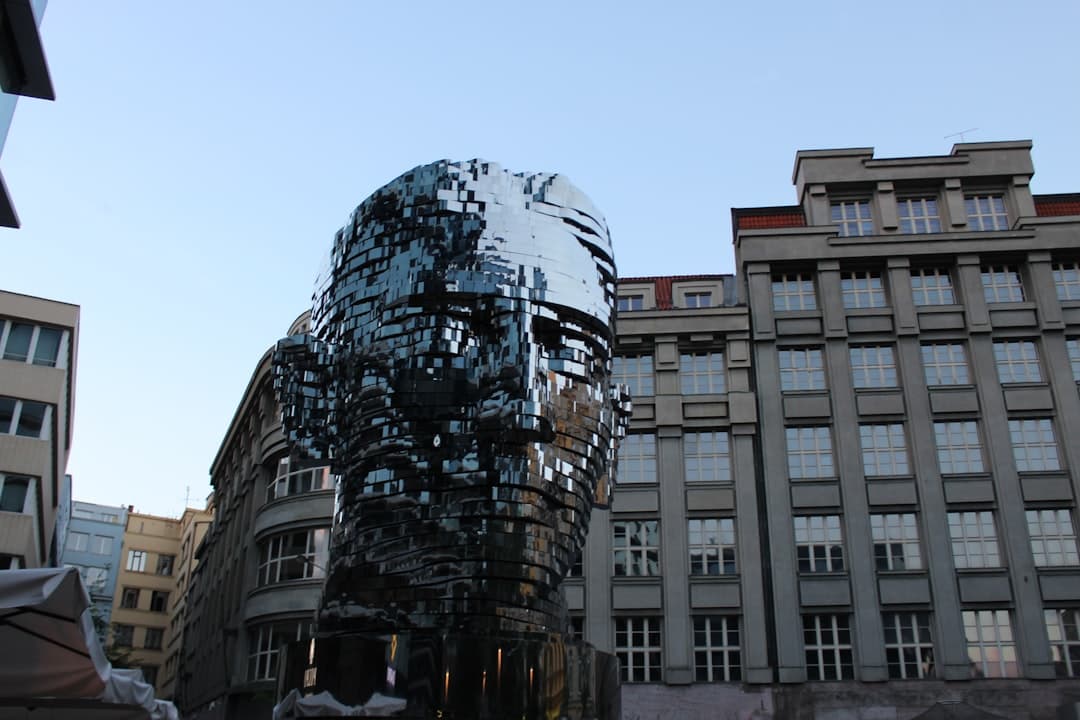
Situated at the geographic heart of Europe, the Czech Republic holds a cultural legacy that has shaped the continent's artistic and intellectual traditions across multiple eras. Its capital, Prague, remains one of Europe's most architecturally diverse cities, preserving Gothic, Baroque, Art Nouveau, and Cubist structures within a relatively compact urban area.
A UNESCO-Recognized Heritage
The Czech Republic is home to a significant number of UNESCO World Heritage Sites, including the historic centres of Prague, Český Krumlov, and Telč, as well as the Jewish Quarter and Saint Barbara's Church in Kutná Hora. These designations reflect international recognition of their outstanding universal value and draw researchers, conservationists, and cultural tourists from across the European Union and beyond.
Literary and Musical Contributions
Czech literature has produced figures of enduring European relevance. Franz Kafka, writing in German from Prague, helped define literary modernism. Milan Kundera, writing in both Czech and French, became a prominent voice in twentieth-century European fiction. In music, Antonín Dvořák and Bedřich Smetana established a distinctly Bohemian voice within the broader tradition of Western classical composition, works that remain standard repertoire for orchestras across Europe.
Living Traditions and Contemporary Exchange
Beyond historical monuments, Czech cultural life sustains active participation in European cultural exchange. The country participates in the European Capital of Culture programme and maintains institutional ties with cultural bodies across the continent. Traditional crafts, folk music, and regional festivals continue to attract cross-border interest, contributing to broader European efforts to document and preserve intangible cultural heritage.
The Czech Republic's position as a cultural bridge between Western and Eastern Europe gives its heritage particular significance in ongoing conversations about shared European identity.
Open Questions
How will increased tourism affect the preservation of Czech heritage sites? Can smaller regional cultural centres receive the same level of European funding and attention as Prague?
Sources: UNESCO World Heritage List (whc.unesco.org), European Capital of Culture programme (ec.europa.eu/culture), Czech Tourism Authority (czechtourism.com), Encyclopædia Britannica entries on Franz Kafka, Milan Kundera, Antonín Dvořák, and Bedřich Smetana.
This article is based on a verified primary source. The text was editorially reviewed and fact-checked prior to publication.