Croatia's cultural heritage spans centuries of Mediterranean, Central European, and Balkan influence, producing a mosaic of traditions that vary significantly from one region to the next. The Croatian government, in coordination with local municipalities and civil society organizations, has established formal mechanisms to document, protect, and transmit these practices across generations.
UNESCO Recognition as a Preservation Tool
Several Croatian traditions appear on UNESCO's Intangible Cultural Heritage lists, providing both international visibility and institutional support. The Ojkanje singing style from the Dalmatian hinterland, the two-part singing and playing of the Istrian scale, and the lacemaking traditions of Lepoglava, Hvar, and Pag all hold UNESCO recognition. This status helps channel funding and scholarly attention toward communities that continue to practice these crafts.
Festivals and Living Transmission
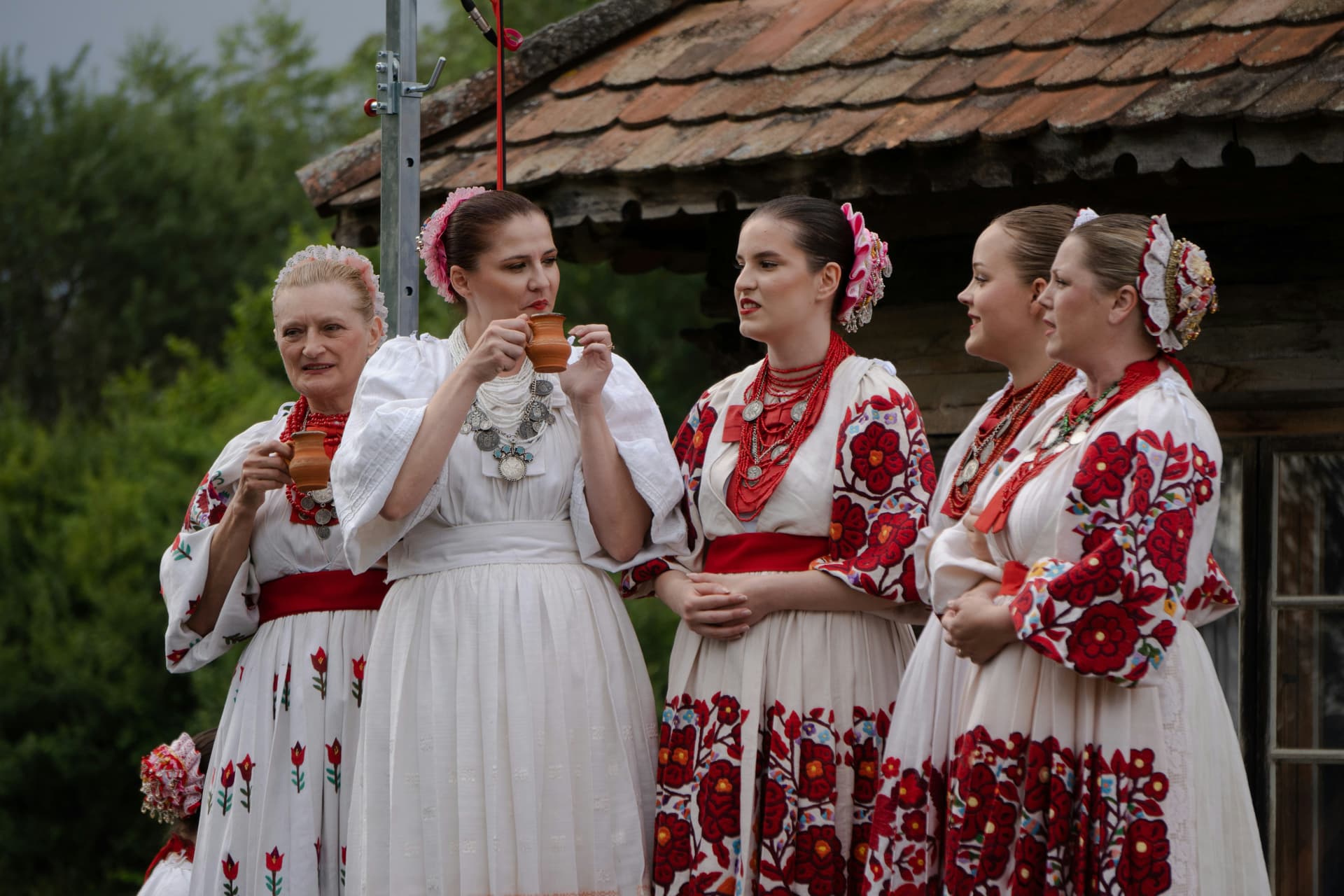
Annual folklore festivals serve as primary venues for cultural transmission. The International Folklore Festival held in Zagreb each summer draws ensembles from across Croatia and abroad, creating a platform for traditional music, dance, and costume. Regional gatherings function similarly at the local level, ensuring that younger generations encounter traditional forms in active, participatory settings rather than purely archival ones.
Institutional and Educational Frameworks
The Institute of Ethnology and Folklore Research in Zagreb conducts ongoing documentation of oral traditions, folk music, and customary practices. Croatian schools incorporate elements of national cultural history into curricula, and cultural centers across the country offer workshops in traditional crafts including embroidery, woodcarving, and instrument making. The Croatian Academy of Sciences and Arts also maintains archives that support scholarly research into historical practices.
Challenges of Modernization
Rural depopulation and shifts in cultural consumption present ongoing challenges to community-based traditions. Organizations working in affected areas have responded by digitizing archival materials and supporting apprenticeship programs that connect master craftspeople with younger practitioners, aiming to sustain knowledge transfer outside purely institutional settings.
Open Questions
Whether digital preservation efforts can substitute for the loss of living community contexts remains an open debate among ethnologists. The long-term effectiveness of UNESCO designation in sustaining grassroots participation also continues to draw scholarly scrutiny.
Sources: UNESCO Intangible Cultural Heritage Lists; Institute of Ethnology and Folklore Research, Zagreb; Croatian Ministry of Culture and Media; International Folklore Festival Zagreb official records.
This article is based on a verified primary source. The text was editorially reviewed and fact-checked prior to publication.