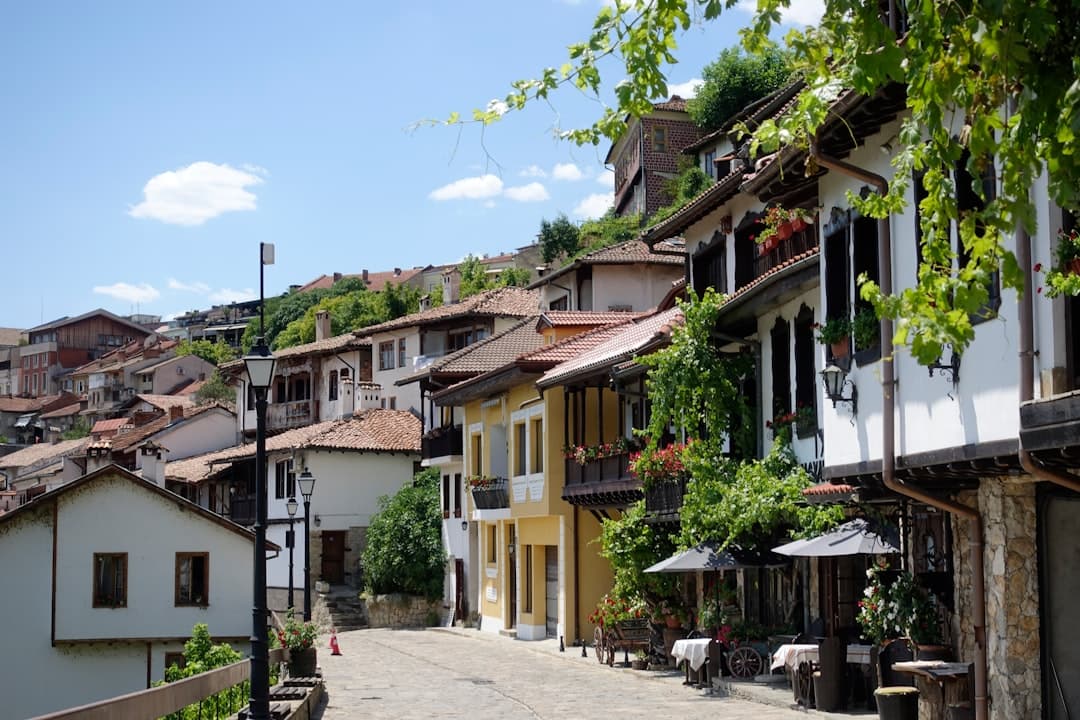
Scattered across Bulgaria's mountain ranges and river valleys, dozens of Eastern Orthodox monasteries continue to function as active religious communities while simultaneously serving as major cultural landmarks. Several date back more than a thousand years, surviving periods of Ottoman rule, political upheaval, and shifting national borders.
A Foundation Built Over Centuries
The Rila Monastery, located in the Rila Mountains of southwestern Bulgaria, stands as the country's largest and most visited monastic complex. Founded in the tenth century by the hermit monk Ivan of Rila, it was later declared a UNESCO World Heritage Site. The structure visitors encounter today largely reflects a nineteenth-century reconstruction following a fire, though portions of the original Hrelyu Tower date to the fourteenth century. The monastery houses an extensive collection of medieval manuscripts, icons, and frescoes that document Orthodox Christian artistic traditions across multiple eras.
Preservation of Language and Identity
During the five centuries of Ottoman administration, Bulgarian monasteries functioned as centers of literacy and cultural continuity. Monks maintained written records in Church Slavonic and later in Bulgarian, preserving a linguistic and religious identity that might otherwise have fragmented. The Bachkovo Monastery in the Rhodope Mountains, founded in the eleventh century by a Georgian-born Byzantine military commander, similarly holds illuminated manuscripts and relics considered significant within the Orthodox world.
Architecture as Historical Record
The architectural styles found across Bulgarian monasteries reflect successive periods of Byzantine, Bulgarian, and Ottoman-era influence. Exterior frescoes, characteristic of the Troyan and Rozhen monasteries, expose visitors to iconographic programs that served an educational function for largely illiterate medieval populations. Conservators and art historians from Bulgarian and international institutions continue to study and restore these works.
Continued Religious Function
Unlike many heritage sites across Europe that operate solely as museums, the majority of Bulgaria's historic monasteries remain active places of worship. Monks and nuns continue to reside within their walls, maintaining liturgical schedules aligned with the Eastern Orthodox calendar. This dual role as living religious communities and cultural monuments distinguishes them within the broader European heritage landscape.
Open Questions
The long-term balance between tourism infrastructure and the preservation of monastic life remains an ongoing discussion among heritage authorities and the Bulgarian Orthodox Church.
Sources: UNESCO World Heritage Centre (whc.unesco.org), Bulgarian Ministry of Culture, Encyclopaedia Britannica, Bulgarian Orthodox Church official records.
This article is based on a verified primary source. The text was editorially reviewed and fact-checked prior to publication.