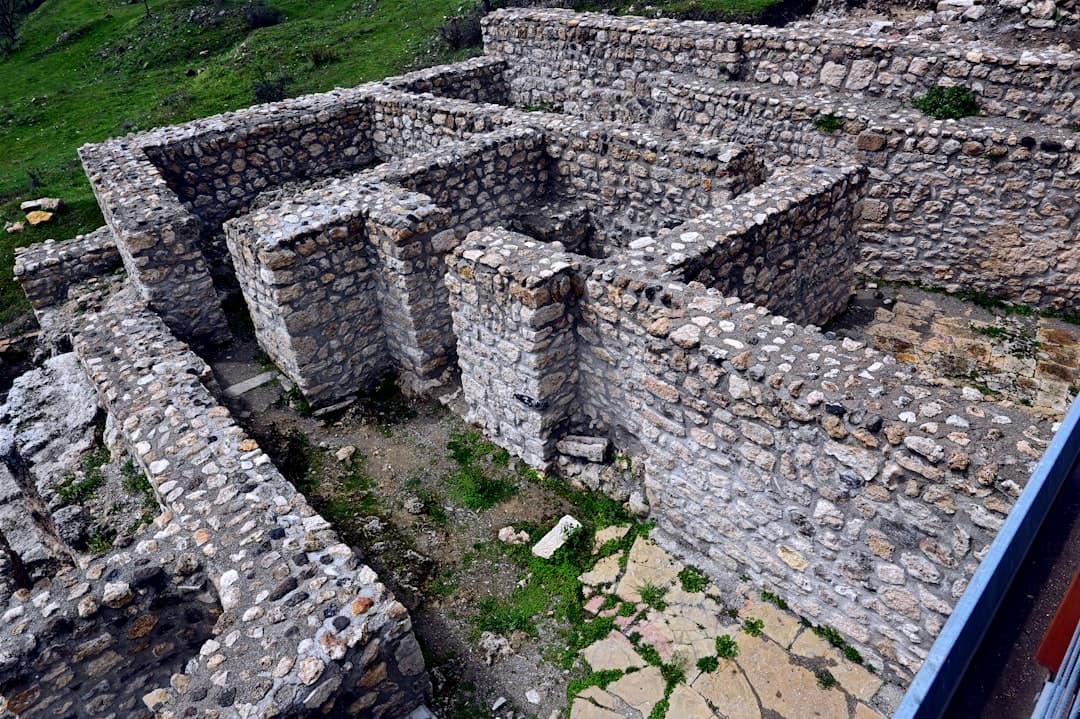
Croatia holds a notable position on the UNESCO World Heritage List, with multiple sites recognized for their outstanding universal value across both cultural and natural categories. These designations have contributed to the country's profile as a destination of significant historical and ecological importance.
A Diverse Portfolio of Recognized Sites
Among Croatia's listed properties is the Old City of Dubrovnik, a well-preserved medieval walled city on the Adriatic coast that has long served as a reference point for urban heritage conservation in the Mediterranean region. The Historic Complex of Split with the Palace of Diocletian represents one of the most intact examples of late Roman imperial architecture in existence, drawing scholars and tourists alike.
The Plitvice Lakes National Park, Croatia's first UNESCO-listed natural site, is recognized for its series of terraced lakes connected by waterfalls and surrounded by forested karst terrain. The site is considered among the most significant freshwater ecosystems in southeastern Europe.
Cultural and Intangible Heritage
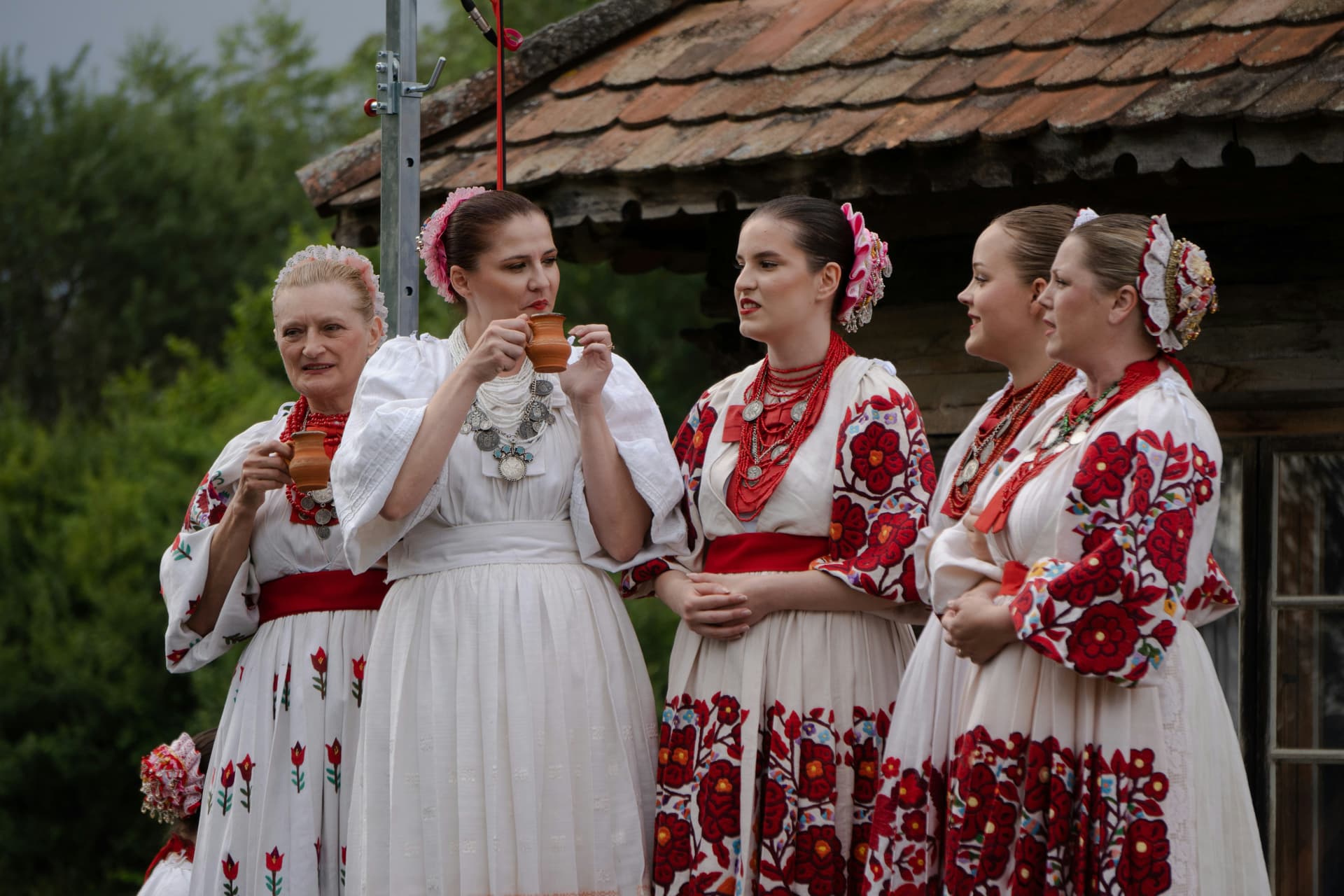
Beyond monuments and landscapes, Croatia has also secured UNESCO recognition for elements of intangible cultural heritage, including traditional lacemaking techniques and the two-part singing known as ojkanje. These designations reflect the organization's broader mandate to protect living cultural practices alongside physical landmarks.
Tourism and Conservation Pressures
The international visibility generated by UNESCO status has produced measurable increases in visitor traffic at several Croatian sites. Authorities and conservationists have, in response, implemented management plans aimed at balancing access with preservation. Dubrovnik in particular has introduced visitor flow measures to address the pressures associated with high-volume tourism on its historic core.
Croatia continues to evaluate additional nominations for UNESCO consideration, reflecting an ongoing national effort to document and protect its cultural and natural legacy within an internationally recognized framework.
Open Questions
How effectively can Croatia balance tourism revenue with long-term preservation at its most visited UNESCO sites? Will additional Croatian nominations gain traction with the UNESCO World Heritage Committee in upcoming cycles?
Sources: UNESCO World Heritage List (whc.unesco.org), UNESCO Intangible Cultural Heritage List (ich.unesco.org), Croatian National Tourist Board (croatia.hr)
This article is based on a verified primary source. The text was editorially reviewed and fact-checked prior to publication.