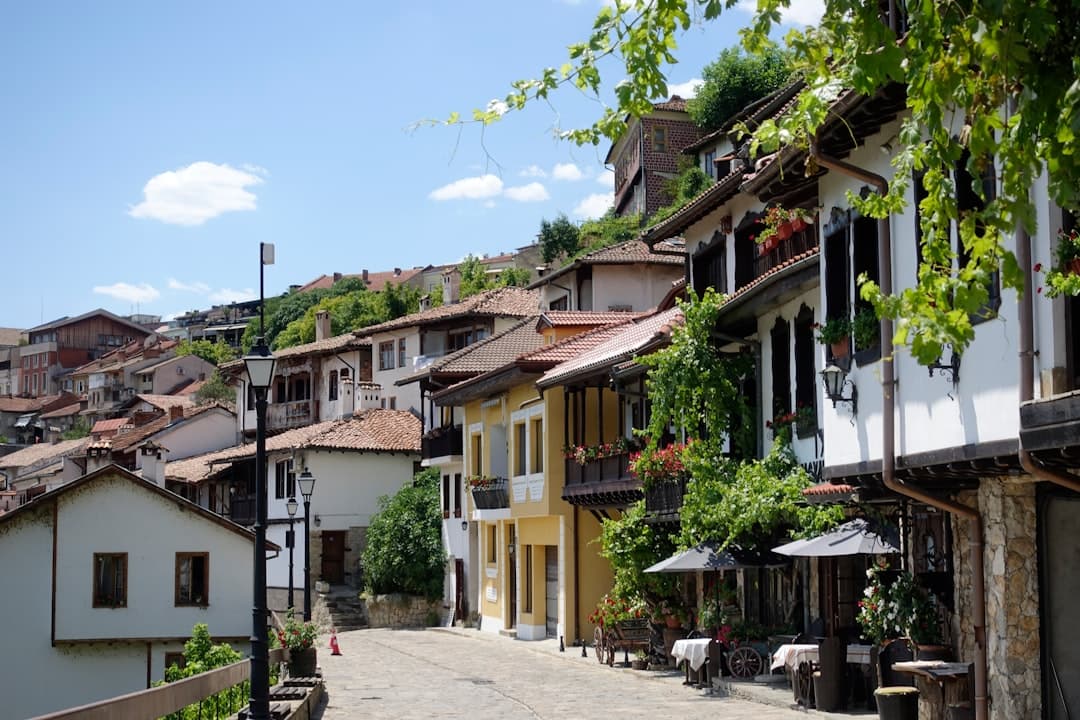
Bulgaria's folk culture represents a layered archive of human history, drawing on pre-Christian Thracian practices, Eastern Orthodox Christian ritual and centuries of interaction with neighbouring civilisations. The result is a tradition that varies markedly from region to region, with each area maintaining its own distinct music, dress and ceremonial calendar.
Music and Dance
Bulgarian folk music is recognised internationally for its use of asymmetric time signatures — rhythmic patterns that fall outside the common meters found in most Western European traditions. The gaida, a form of bagpipe, and the kaval, an end-blown flute, serve as foundational instruments across rural communities. Women's polyphonic singing from the Rhodope and Pirin mountain regions has attracted sustained academic interest and earned recognition from UNESCO as an element of intangible cultural heritage. Folk dance forms known as horo, performed in open or closed circles, remain a fixture at weddings, festivals and public celebrations.
Costume and Craft
Traditional Bulgarian dress differs substantially between geographic zones. Costumes from the Thracian plain typically feature brighter embroidery and lighter fabrics, while those from the Balkan and Rhodope mountain regions tend toward darker wools and more geometric needlework patterns. The craft of rose oil production, concentrated in the Valley of Roses near Kazanlak, intersects with folk tradition through festivals and rituals tied to the annual harvest season.
Ritual and Calendar
The Bulgarian folk calendar incorporates a series of seasonal ceremonies that blend Orthodox Christian observance with older agricultural practices. Kukeri, midwinter rituals in which participants wear elaborate beast-like masks and costumes, are performed to ward off malevolent spirits and encourage fertility for the coming year. Similar masquerade traditions are practised across several Balkan countries, though Bulgarian variants differ in costume design and regional choreography. The Surva festival in Pernik stands as one of the largest such gatherings in the region.
Preservation Efforts
State institutions, including the National Ethnographic Museum in Sofia, and a network of community cultural centres known as chitalishta work to document and transmit folk practices. These centres, established during the Bulgarian National Revival period of the 18th and 19th centuries, continue to function as hubs for amateur ensembles, craft workshops and archival collections.
This article is based on a verified primary source. The text was editorially reviewed and fact-checked prior to publication.