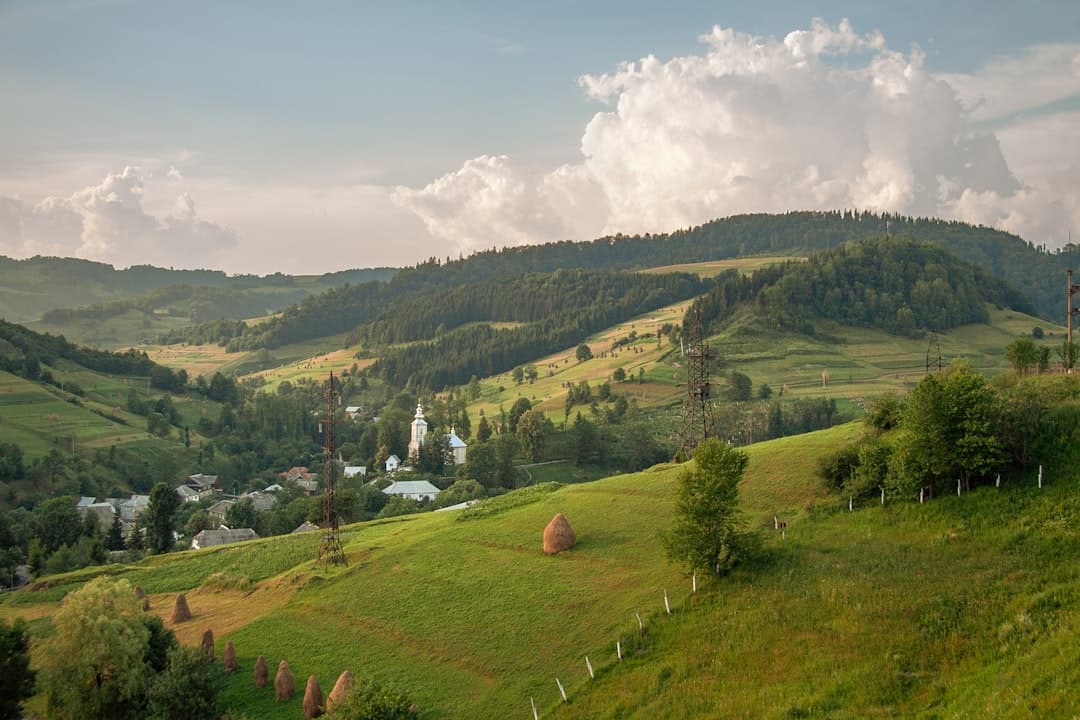
Romania's Carpathian Mountains, stretching across a significant portion of the country's interior, have steadily built a reputation as one of Europe's leading destinations for adventure and nature-based travel. The range encompasses several distinct zones — including the Bucegi, Făgăraș, and Retezat massifs — each offering terrain suited to hiking, rock climbing, skiing, and wildlife tracking.
Wildlife and Wilderness
The Carpathians shelter the largest populations of brown bears, wolves, and lynx remaining in the European Union. This concentration of large predators has made the region a focal point for wildlife tourism operators, who offer guided tracking expeditions through old-growth forest corridors that have remained largely intact compared to Western European equivalents. Rewilding Europe, an organisation active across the continent, has identified the Romanian Carpathians as one of its core conservation and ecotourism zones.
Infrastructure and Access
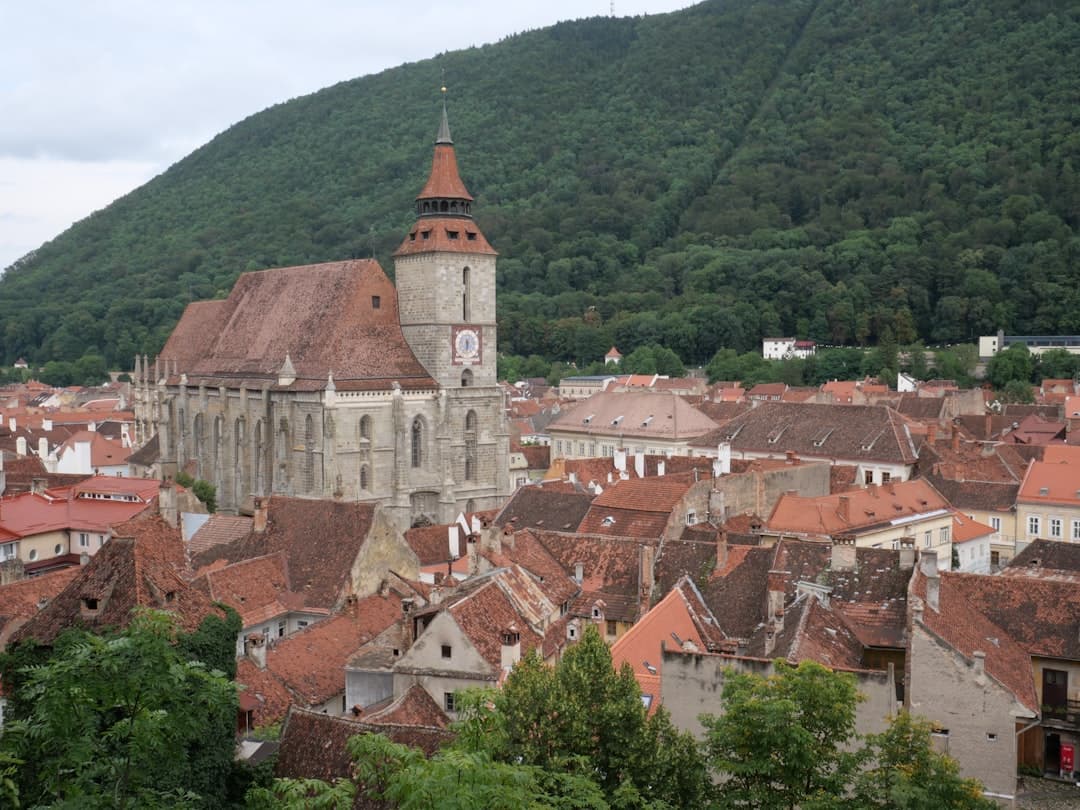
Hiking infrastructure across the Romanian Carpathians includes marked trail networks maintained by the Romanian Mountain Rescue Service and a series of mountain huts, known locally as cabane, that provide overnight accommodation at altitude. The city of Brașov serves as the primary gateway for many visitors, with rail and road connections to Bucharest's international airport.
Positioning Within the European Market
European travel industry analysts have observed a broader shift toward off-the-beaten-path destinations, with travellers seeking alternatives to overcrowded Alpine or Mediterranean sites. Romania's relatively lower cost of travel compared to Western European adventure destinations has contributed to its appeal among budget-conscious and experience-driven travellers alike. The country's membership in the European Union simplifies entry for citizens of member states.
Cultural Dimension
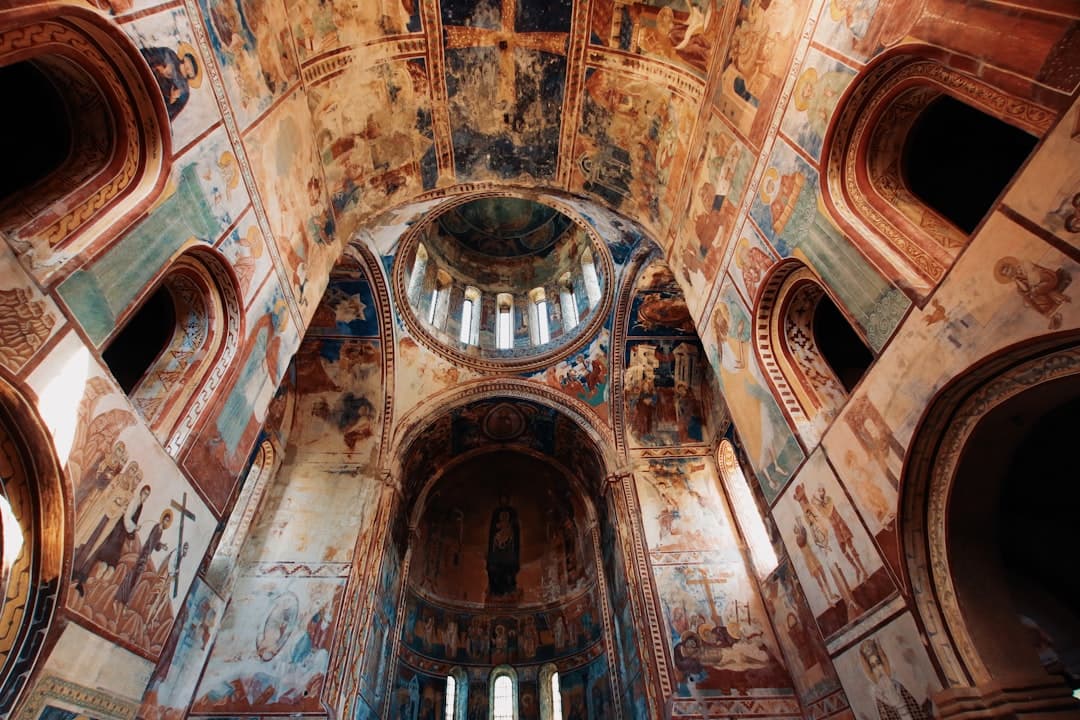
Beyond outdoor activities, the Carpathian region encompasses medieval Saxon towns such as Sighișoara, painted monasteries in Bucovina, and rural communities in Maramureș where traditional agricultural practices remain in use. This layering of natural and cultural heritage has positioned the area as a multi-interest destination rather than a single-activity stop.
Open Questions
Whether Romania's tourism infrastructure can scale to meet rising demand without compromising the wilderness qualities that attract visitors remains an open question for regional planners and conservation groups.
Sources: Rewilding Europe (rewildingeurope.com), Romanian Mountain Rescue Service, European Union tourism framework documentation, Lonely Planet destination guides.
This article is based on a verified primary source. The text was editorially reviewed and fact-checked prior to publication.