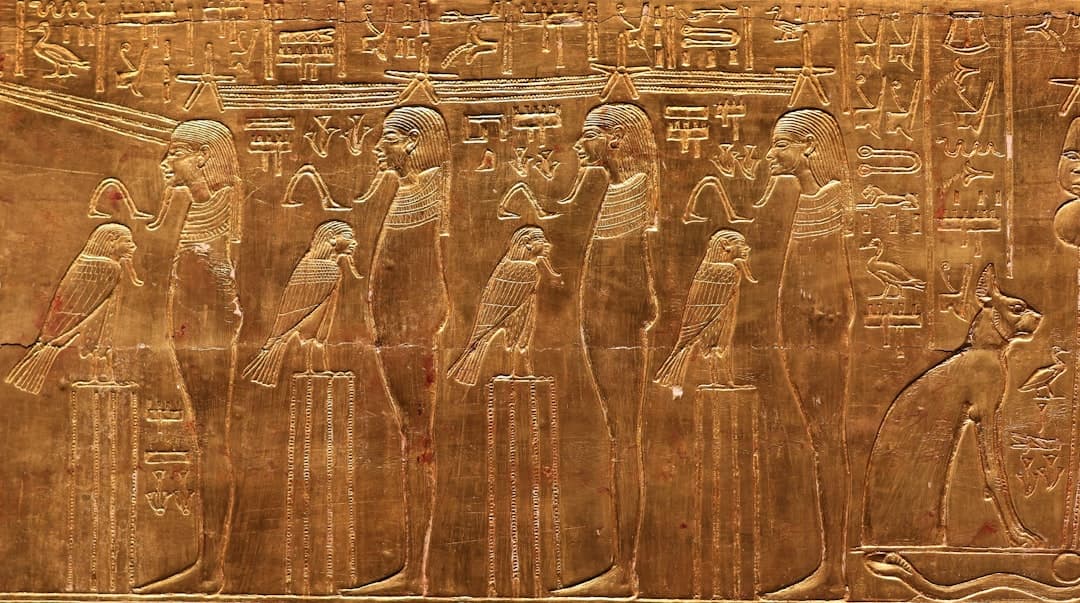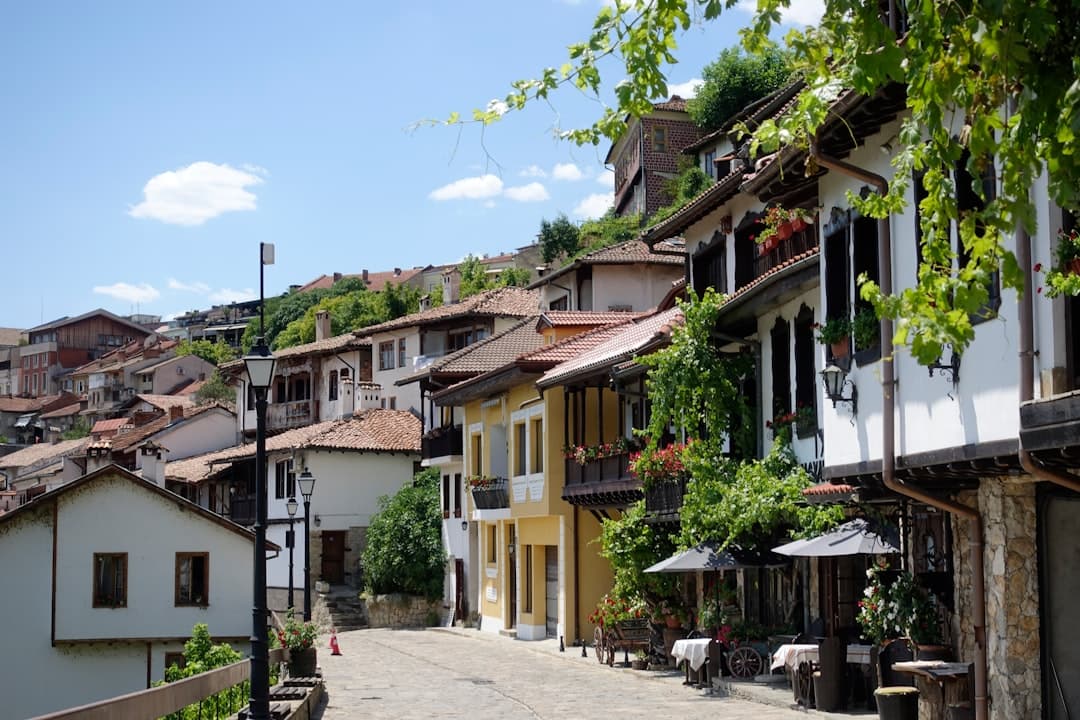
Situated at the crossroads of Europe and Asia Minor, Bulgaria has accumulated layers of civilization across more than six millennia. From the gold-rich Thracian burial mounds of the Valley of the Thracian Kings near Kazanlak to the medieval rock churches of Ivanovo, the country's archaeological and architectural record spans an extraordinary range of eras and cultures.
UNESCO Recognition
Bulgaria currently holds ten UNESCO World Heritage Sites, a figure that reflects meaningful international acknowledgment but falls short of neighboring countries with comparable historical depth. Among the recognized sites are the Rila Monastery — a functioning Eastern Orthodox monastery established in the tenth century and considered a symbol of Bulgarian national identity — and the ancient city of Nessebar on the Black Sea coast, whose layered history stretches from Thracian settlement through Greek colonization and into the Byzantine period.
Thracian Legacy
The Thracians, who inhabited the region long before the formation of modern Bulgaria, left behind a substantial material legacy. The Panagyurishte Gold Treasure, housed in the National Historical Museum in Sofia, stands as one of the most significant examples of ancient goldsmithing in Europe. Thracian tomb complexes, scattered across central and southern Bulgaria, continue to yield archaeological findings that contribute to scholarship on pre-Roman European cultures.
Living Traditions
Beyond archaeological heritage, Bulgaria preserves a range of intangible cultural traditions. Bulgarian polyphonic folk singing was inscribed on the UNESCO Representative List of the Intangible Cultural Heritage of Humanity, drawing international attention to the country's distinctive vocal traditions. The rose-growing and rose oil production culture of the Kazanlak Valley — a practice with roots several centuries deep — also represents a form of living heritage tied closely to Bulgarian identity and economy.
Infrastructure and Access
Efforts to develop cultural tourism infrastructure have expanded access to heritage sites across the country, though uneven investment means some sites remain less visited than their historical significance might otherwise attract. Regional development programs, partly supported by European Union structural funds, have directed resources toward conservation and visitor facilities at select locations.
Open Questions
Which additional Bulgarian sites may be advanced for UNESCO nomination in coming years? How will changing tourism patterns across the Balkans affect the preservation and funding of lesser-known heritage locations?
Sources: UNESCO World Heritage Centre (whc.unesco.org), UNESCO Intangible Cultural Heritage Lists, Bulgarian National Historical Museum, European Commission regional development documentation.
This article is based on a verified primary source. The text was editorially reviewed and fact-checked prior to publication.