Belgium is a compact country whose urban geography punches well above its weight. While Brussels functions as both the national capital and a de facto administrative center for the European Union, several other Belgian cities hold international recognition in their own right.
Bruges: A Medieval Streetscape Preserved in Stone
Located in the Flemish province of West Flanders, Bruges is widely regarded as one of the best-preserved medieval city centers in northern Europe. Its historic inner city was designated a UNESCO World Heritage Site in 2000, a status that reflects the largely intact network of canals, cobblestone streets, and Gothic architecture dating from the city's peak as a major European trading hub in the 13th and 14th centuries. The Groeningemuseum houses a significant collection of Flemish Primitive paintings, including works by Jan van Eyck and Hans Memling.
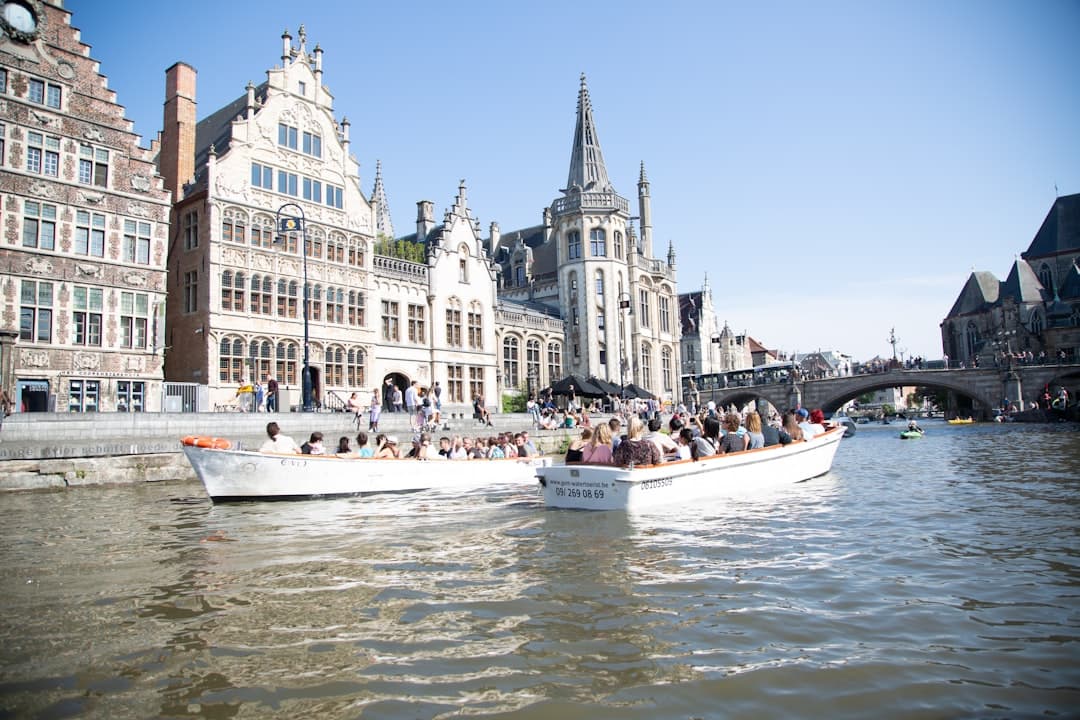
Ghent: Where Medieval Heritage Meets a Living City
Ghent, the capital of the East Flanders province, balances a substantial medieval core with an active university population that keeps the city commercially and culturally dynamic year-round. The Gravensteen, a 12th-century stone castle situated near the city center, remains one of the most intact feudal fortresses in the Low Countries. The city's Sint-Baafskathedraal houses the Ghent Altarpiece, a 15th-century polyptych by Hubert and Jan van Eyck considered among the most significant works of Western art.
Antwerp: A Port City Shaped by Commerce and Culture
Antwerp, Belgium's second-largest city by population, developed into a global center for diamond trading and remains one of the world's leading diamond markets. The city's Central Station, completed in 1905, is frequently cited in architectural literature as among the finest railway stations in Europe. Antwerp also holds a strong association with the Flemish Baroque painter Peter Paul Rubens, whose former home and studio, the Rubenshuis, operates as a museum in the city center.
Liège and Namur in the French-Speaking South
In the Wallonia region, Liège functions as the principal city of the French-speaking east, known for its industrial heritage along the Meuse River and its role as a university city. Namur, the administrative capital of Wallonia, is defined by its citadel perched above the confluence of the Sambre and Meuse rivers, a defensive structure with origins in the early medieval period.
This article is based on a verified primary source. The text was editorially reviewed and fact-checked prior to publication.