Belgium's position at the crossroads of Western Europe has shaped a festival culture that blends Flemish, Walloon, French, and international influences into a remarkably varied annual calendar. Across cities, towns, and villages, events tied to art, music, folklore, and history draw domestic and international audiences throughout the year.
Historical Pageants and Living Heritage
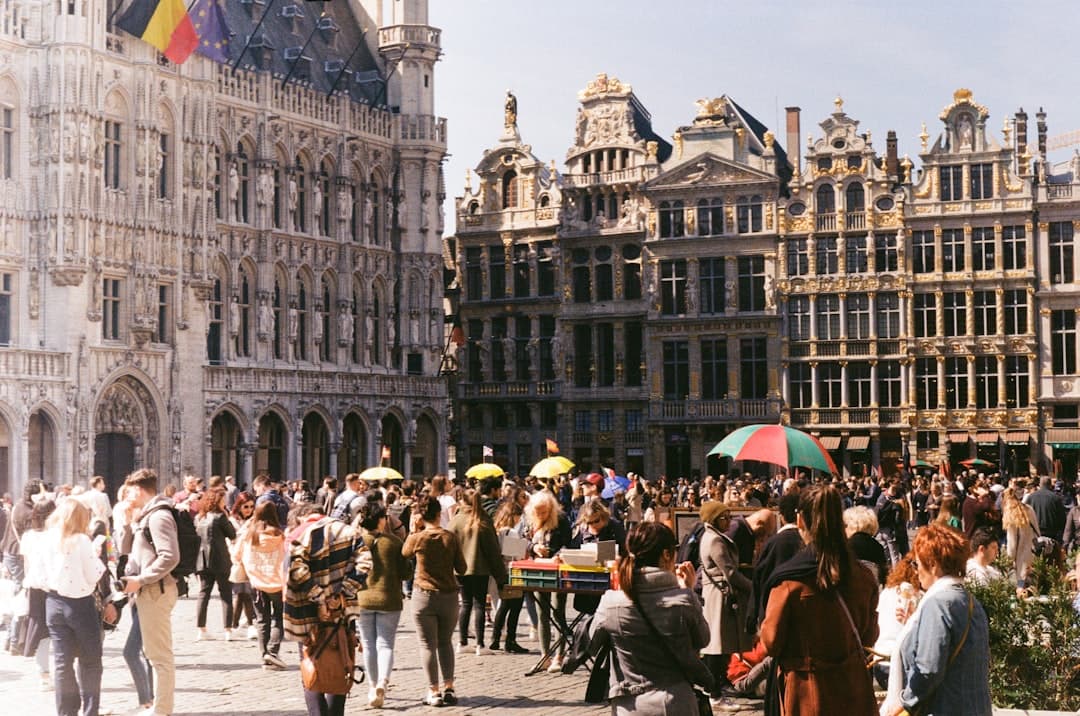
Among the most distinctive events is the Ommegang in Brussels, a ceremonial procession rooted in the 16th century that re-enacts a pageant originally staged for Holy Roman Emperor Charles V. Held annually in the Grand-Place — a UNESCO World Heritage Site — the procession features period costumes, mounted riders, and theatrical performances. The Ducasse de Mons, another UNESCO-recognized tradition in the Walloon city of Mons, centers on the legend of Saint George and the dragon and continues to attract large crowds each spring.
Music Festivals with International Reach
Belgium has established itself as a significant destination on the European music festival circuit. Tomorrowland, held in the town of Boom in the Flemish province of Antwerp, has grown into one of the world's most prominent electronic dance music festivals, regularly selling out within hours of ticket release. Rock Werchter, staged near Leuven, is recognized as one of Europe's leading rock and pop festivals and has received multiple awards from the international live music industry.
Arts and Cultural Celebrations
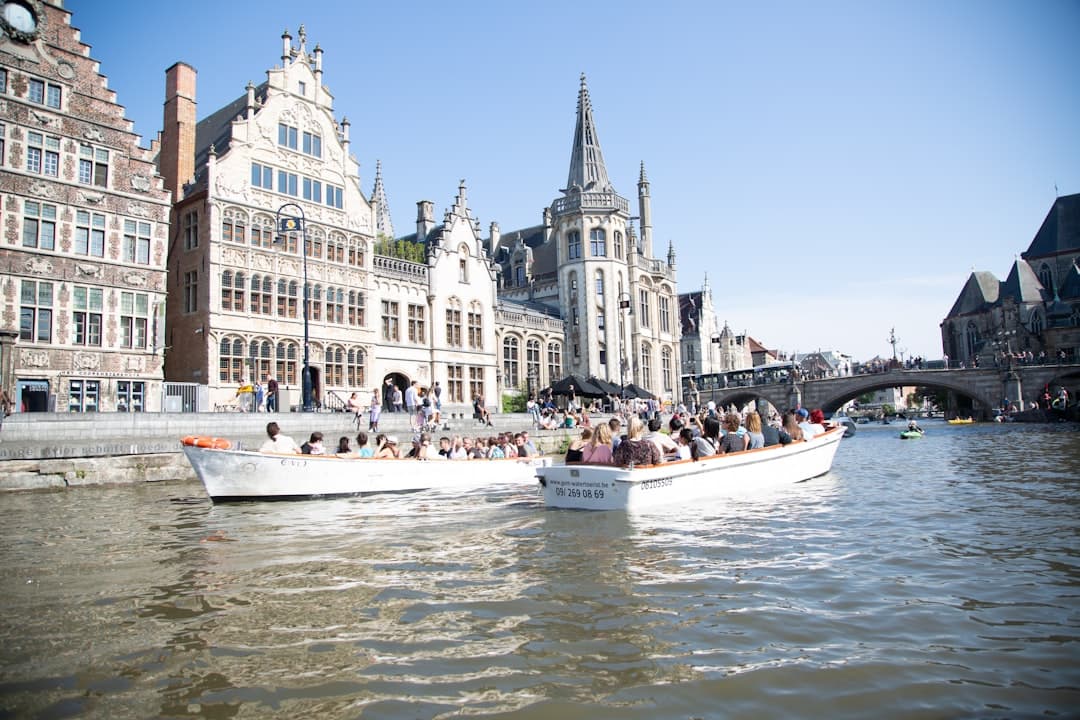
The city of Ghent hosts the Gentse Feesten each summer, a ten-day open-air festival combining theater, music, and street performance that transforms the historic city center into a public cultural space. Bruges, known for its medieval architecture, regularly hosts events aligned with its designation as a European heritage city, including classical music programs and art exhibitions tied to its Flemish master painters legacy.
Belgium's festival infrastructure is supported by regional cultural authorities in Flanders, Wallonia, and the Brussels-Capital Region, each maintaining separate funding mechanisms and programming priorities that reflect the country's federal structure.
Open Questions
How the growing scale of commercial music festivals affects smaller community-based cultural events remains an open discussion among municipal planners and heritage bodies across the country.
Sources: UNESCO Intangible Cultural Heritage Lists, Visit Belgium (visitbelgium.com), Rock Werchter official records, Tomorrowland official event history, Ville de Mons cultural documentation, Stad Gent official communications.
This article is based on a verified primary source. The text was editorially reviewed and fact-checked prior to publication.