Geographically small but culturally layered, Belgium sits at a junction where French, Dutch, and German influences have converged for centuries. That intersection has produced a distinct national character — one defined less by uniformity than by the coexistence of multiple traditions operating within a single political framework.
A Medieval Foundation Still Visible
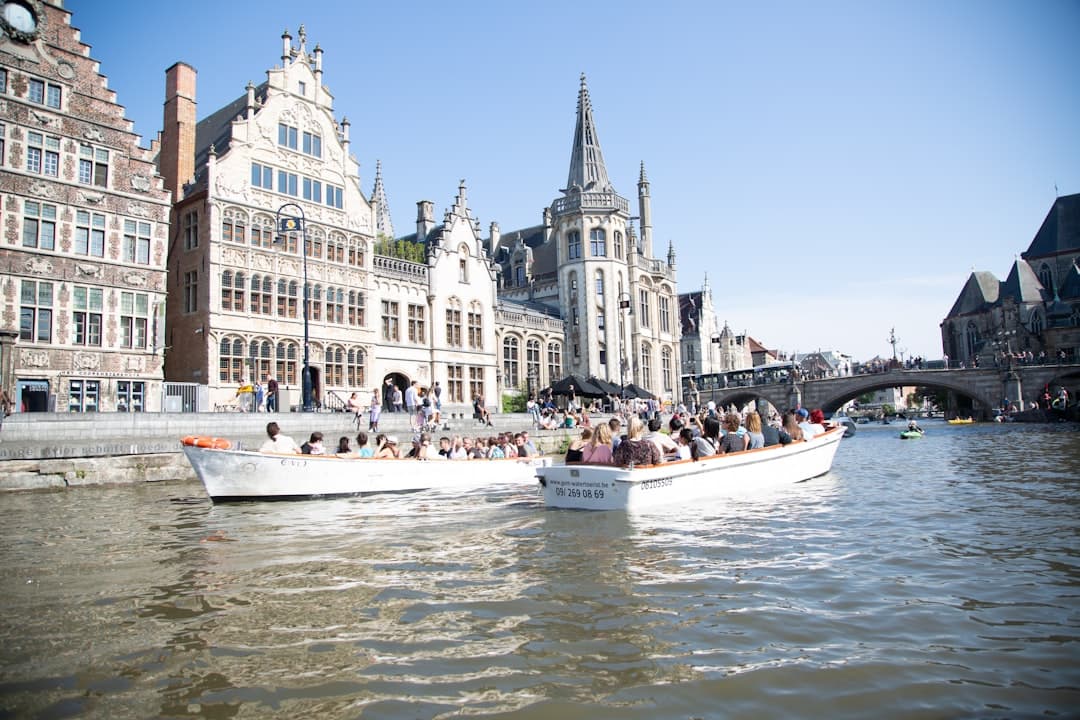
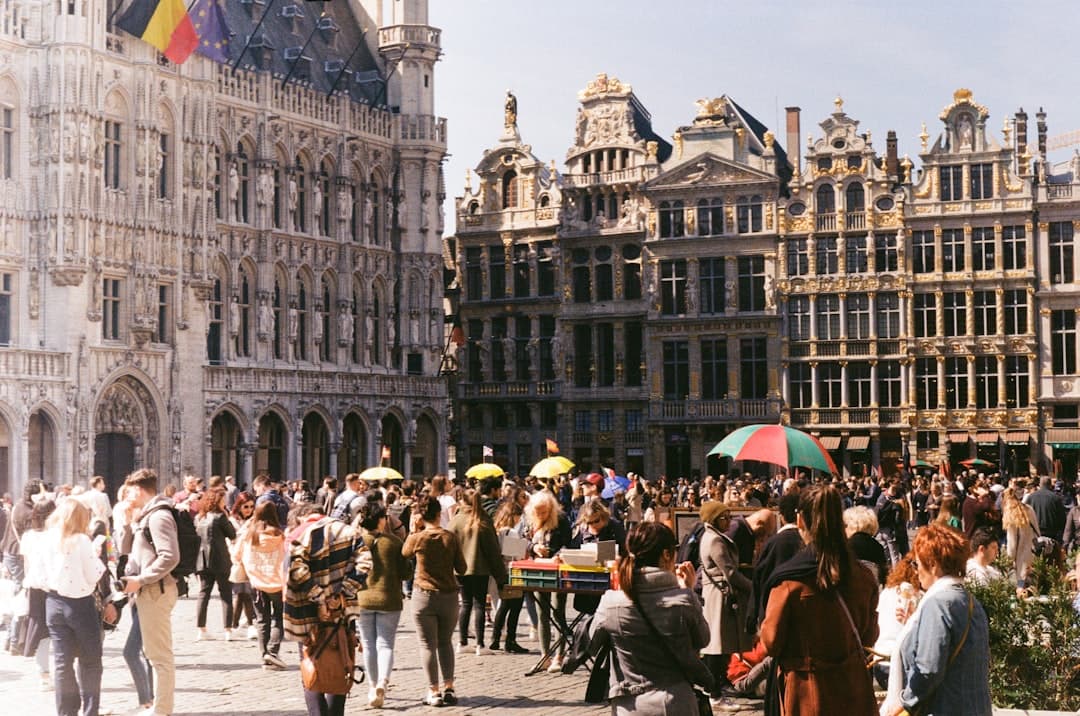
Cities such as Bruges, Ghent, and Brussels retain architectural ensembles that reflect the country's prominence during the medieval period, when Flemish cloth merchants and guild networks drove commerce across Northern Europe. The Grand Place in Brussels, a UNESCO World Heritage Site, stands as one of the most intact examples of Baroque civic architecture on the continent. Bruges, similarly recognized by UNESCO, preserves a canal network and historic centre largely unchanged since the height of the Hanseatic trade era.
Art, Comics, and the Surrealist Tradition
Belgium has produced a disproportionately influential body of artistic work relative to its size. The Flemish Primitives — Jan van Eyck and Rogier van der Weyden among them — are credited with foundational advances in oil painting technique. In the twentieth century, René Magritte and Paul Delvaux placed Belgium at the centre of the Surrealist movement. The country also gave rise to the Franco-Belgian comics tradition, with works such as Tintin and the Smurfs achieving global recognition and earning a dedicated UNESCO intangible heritage designation for the broader bande dessinée format.
A Capital for European Institutions
Brussels functions as the administrative hub of the European Union and hosts the principal headquarters of NATO, reinforcing Belgium's role as a meeting point for European governance and multilateral diplomacy. That concentration of international institutions has brought a consistently cosmopolitan population to the capital, further layering its cultural character.
Language as a Living Divide
Belgium's internal linguistic boundary — separating Dutch-speaking Flanders, French-speaking Wallonia, and a small German-speaking community — mirrors broader European tensions between regional identity and federal cohesion. Rather than diminishing cultural output, that complexity has generated a pluralistic creative environment that continues to attract scholars, artists, and institutions from across the continent.
Open Questions
Whether Belgium's federal model offers a transferable template for other multilingual European states remains a subject of ongoing political debate. The long-term trajectory of Brussels as an institutional capital, particularly following Brexit adjustments, also continues to evolve.
Sources: UNESCO World Heritage List; European Union official institutions directory; NATO headquarters public records; Royal Museums of Fine Arts of Belgium institutional records; Bibliothèque royale de Belgique.
This article is based on a verified primary source. The text was editorially reviewed and fact-checked prior to publication.