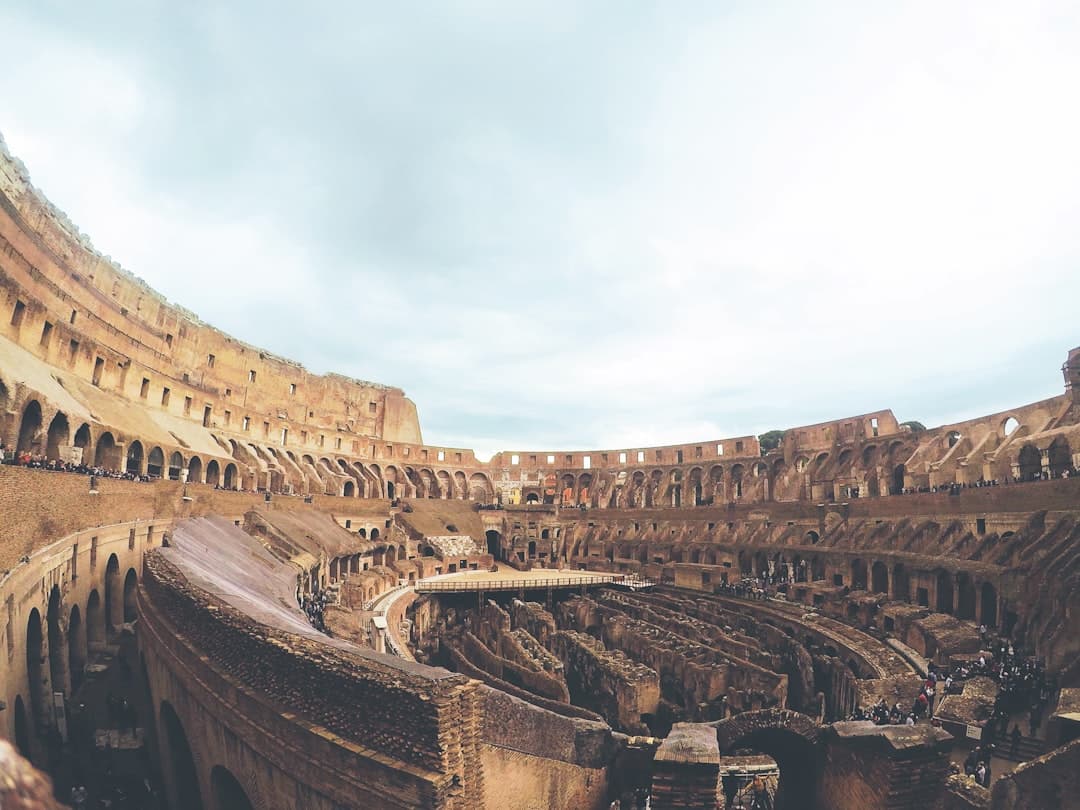
Positioned at the crossroads of Europe, Asia, and Africa, Cyprus carries a layered cultural legacy stretching back to the Neolithic period. The island's identity reflects successive influences from ancient Greek, Roman, Byzantine, Ottoman, and British presences — a complexity that continues to shape its contemporary cultural landscape.
Language as a Living Archive
The Cypriot Greek dialect, distinct from standard Modern Greek, functions as one of the most durable markers of local identity. It retains archaic vocabulary and phonological features that linguists trace to medieval and ancient Greek, making it a subject of ongoing academic study. In the northern part of the island, Cypriot Turkish similarly preserves regional linguistic characteristics that differentiate it from mainland Turkish.
Religious and Byzantine Heritage
The Greek Orthodox Church of Cyprus, one of the oldest autocephalous churches in the world, remains a central pillar of cultural continuity. Its monasteries, including Kykkos and Stavrovouni, serve not only as places of worship but as repositories of Byzantine art, illuminated manuscripts, and ecclesiastical artifacts. The Church actively maintains these collections and supports restoration efforts across historical sites.
Crafts, Festivals, and Intangible Heritage
Traditional crafts such as lefkaritika — the distinctive lace embroidery from the village of Lefkara — have earned recognition on UNESCO's Intangible Cultural Heritage list. Annual festivals across the island celebrate folk music, traditional dance, and seasonal agricultural customs, reinforcing communal memory across generations. The Cyprus Department of Antiquities oversees archaeological sites and museums that document the island's material culture from prehistoric times through the medieval period.
Institutional Preservation Efforts
The Cypriot government, through the Ministry of Education, Culture, Sport and Youth, funds cultural programs, heritage education in schools, and the maintenance of protected monuments. International partnerships with bodies such as the European Union and UNESCO supplement domestic efforts, particularly in areas affected by the political division of the island since 1974.
Open Questions
How does the ongoing division of the island affect coordinated preservation of shared heritage across both communities? What role can digital archiving play in safeguarding traditions that lack institutional support in contested or inaccessible areas?
Sources: UNESCO Intangible Cultural Heritage Lists; Cyprus Department of Antiquities (mcw.gov.cy); Church of Cyprus official records; European Commission cultural heritage programs.
This article is based on a verified primary source. The text was editorially reviewed and fact-checked prior to publication.