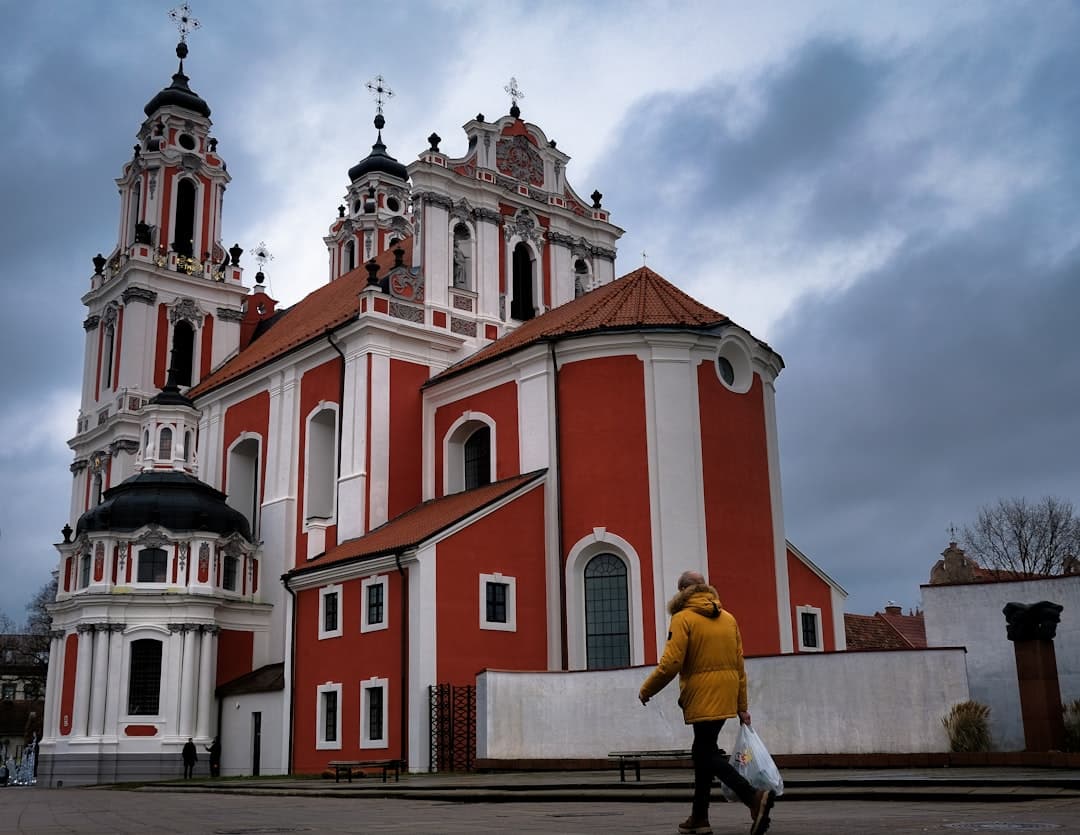
Lithuania's folk culture, rooted in pre-Christian Baltic traditions, has long been recognized for its distinctiveness within European heritage. The country's multipart singing style, known as sutartinės, holds a place on UNESCO's Intangible Cultural Heritage list, a designation that has helped draw international attention to the broader ecosystem of Lithuanian folk practice.
Digital Archives and Living Traditions
State institutions, including the Lithuanian Folk Culture Centre based in Vilnius, maintain extensive digital repositories of folk songs, dances, and oral narratives collected over decades of fieldwork. These archives have been made increasingly accessible online, allowing researchers and enthusiasts worldwide to access recordings and documentation that were once available only to specialists.
Beyond institutional efforts, grassroots communities have formed across social media platforms and video-sharing sites. Folk ensembles post performances, amateur weavers demonstrate traditional juostos pattern-making, and younger practitioners share tutorials in regional dialects. This informal transmission complements formal education programs that incorporate folk arts into school curricula.
Craft Revival and Commercial Interest
Traditional Lithuanian crafts, including amber jewelry, linen weaving, and wood carving, have seen renewed commercial interest linked partly to their online visibility. Artisan marketplaces and dedicated e-commerce stores have provided craftspeople in rural regions with access to buyers across Europe and beyond, reducing the economic barriers that historically made craft professions difficult to sustain.
Annual events such as the Skamba Skamba Kankliai festival in Vilnius continue to serve as live gathering points for folk practitioners, drawing participants from Lithuanian diaspora communities as well as international visitors. Festival documentation is increasingly shared digitally, extending the reach of events well beyond their physical venues.
Questions of Authenticity
Cultural scholars have raised ongoing discussions about how digital mediation affects the transmission of living traditions. The shift from village-based, oral-communal learning to screen-based instruction introduces variables in how techniques and contexts are conveyed across generations, a conversation that remains active within Lithuanian ethnographic and musicological communities.
Open Questions
How do digital platforms affect regional variation in folk traditions? Can online communities fully replicate the social contexts in which these practices were historically embedded? What role should state institutions play in curating versus simply preserving folk heritage?
Sources: UNESCO Intangible Cultural Heritage list; Lithuanian Folk Culture Centre (liaudieskultūra.lt); Skamba Skamba Kankliai festival records; Lithuanian Institute of History ethnographic documentation.
This article is based on a verified primary source. The text was editorially reviewed and fact-checked prior to publication.