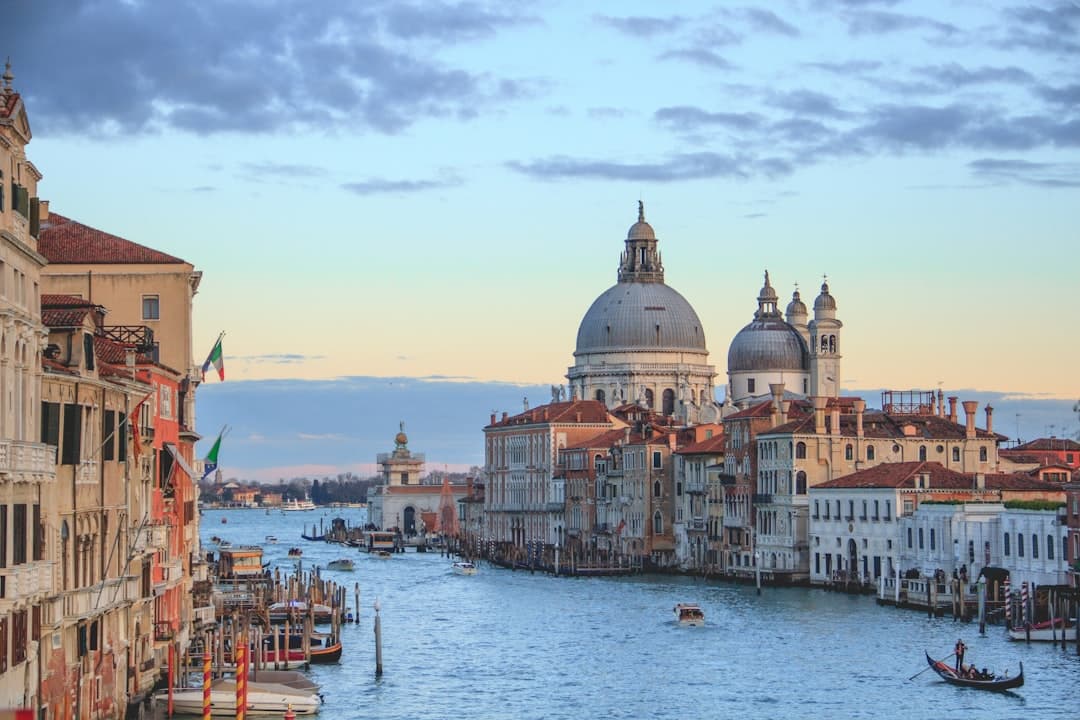
Venice has become the first major Italian city to formally charge day visitors an entry fee to access its historic island center, marking a significant departure from the largely unrestricted tourism model that defined much of Europe's postwar travel economy.
The measures, introduced by the City of Venice, apply during peak periods and require non-overnight visitors to pay a fee and, in some circumstances, reserve a time slot in advance. Residents, workers, students, and those with accommodation bookings inside the historic center are exempt from the charges.
Overcrowding and Infrastructure Strain
Venice has long been cited by urban planners and heritage organizations as one of Europe's most acutely overtouristed destinations. The city's unique geography — a lagoon island with limited entry and exit points — concentrates visitor foot traffic in ways that are difficult to manage through conventional crowd-control measures. Cruise ship arrivals, narrow pedestrian corridors, and a shrinking resident population have compounded the pressure on local infrastructure and services.
A Model Under Scrutiny Across Italy
Other Italian municipalities have observed Venice's approach with interest. Cities including Florence and Rome face comparable challenges, particularly in neighborhoods surrounding major monuments and historic squares. While none have yet implemented a direct entry fee system, local administrations have explored pedestrian zoning, timed access to specific sites, and restrictions on short-term rental properties as alternative tools.
The Italian government has acknowledged the need for coordinated national guidance on tourism management, though formal policy at the state level remains under discussion. The European Union has also flagged overtourism as a concern affecting cultural heritage sites across the continent.
Wider Implications for Urban Travel
The Venice experiment raises broader questions about the sustainability of day-trip tourism models, which generate lower per-visitor economic returns than overnight stays while placing comparable or greater demands on public space and services. Travel industry analysts have observed a gradual shift in how destination cities weigh visitor volume against visitor value — a recalibration that Venice's fee system visibly accelerates.
Open Questions
Whether the fee structure will meaningfully reduce peak-season crowding, how compliance will be enforced at scale, and whether other European heritage cities will adopt similar mechanisms remain subjects of ongoing policy debate.
Sources: City of Venice official communications; UNESCO World Heritage Centre; European Commission tourism policy documents; Italian Ministry of Tourism public statements.
This article is based on a verified primary source. The text was editorially reviewed and fact-checked prior to publication.