Budapest occupies a distinctive position in European architectural history, serving as a living catalogue of styles that evolved across centuries of political, cultural, and artistic change. The city's dual origins — Buda on the western bank of the Danube and Pest on the eastern — produced two contrasting urban characters that together form a unified UNESCO World Heritage Site, a designation the city has held since 1987.
A Layered Urban Heritage
The Castle District in Buda preserves medieval street patterns and Gothic church structures alongside Baroque palaces rebuilt following Ottoman occupation and subsequent Habsburg reconstruction. Matthias Church, originally constructed in the 13th century and substantially modified across later periods, reflects this accumulation of influences within a single building.
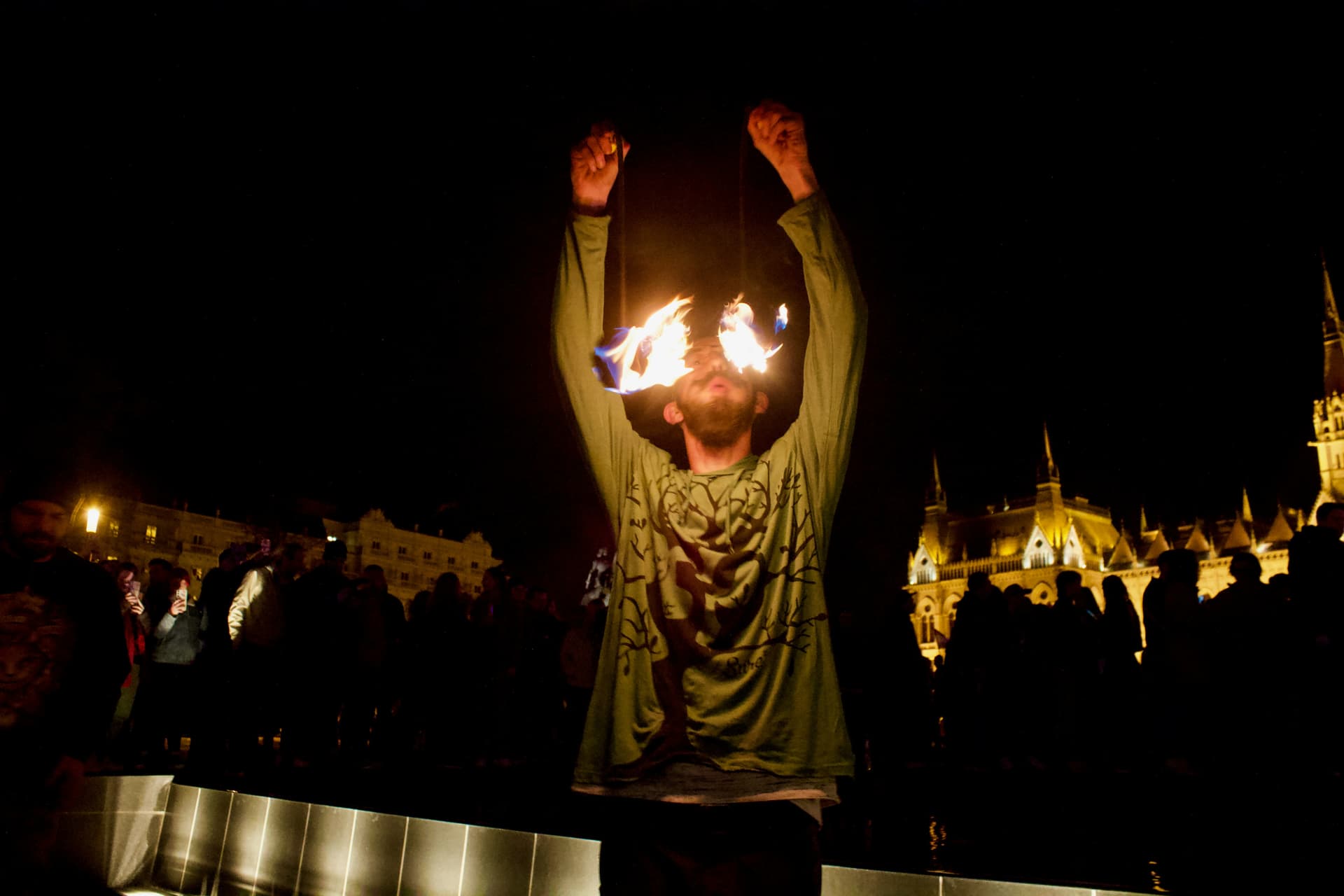
On the Pest side, the late 19th century left the most visible mark. Following the political Compromise of 1867, which established the Austro-Hungarian Empire, Budapest entered an accelerated period of urban development. The Hungarian Parliament Building, completed in 1904, represents one of Europe's largest legislative structures and draws directly from Gothic Revival principles while incorporating Renaissance and Baroque elements into its riverfront silhouette.
Art Nouveau as Urban Identity
Budapest holds a significant concentration of Art Nouveau architecture, locally developed through the work of architects associated with the Hungarian National Romantic movement. Ödön Lechner, active in the late 19th and early 20th centuries, synthesized folk motifs with Secessionist design principles, producing buildings whose ceramic tile exteriors and organic forms remain architecturally distinctive on a European scale. The Museum of Applied Arts and the former Post Office Savings Bank stand among the most recognized examples of his output.
Preservation and Urban Continuity
The city's architectural continuity owes partly to the relatively selective pattern of wartime destruction during the 20th century, which left large sections of the historic urban fabric intact compared to other Central European capitals. Ongoing preservation efforts, administered through national and municipal heritage frameworks, govern renovation work across protected zones.
Budapest continues to attract architectural researchers, urban planners, and conservation specialists drawn to its rare combination of stylistic depth and geographic coherence along the Danube corridor.
Open Questions
How ongoing urban development pressures will interact with heritage protection frameworks in the coming decades remains a subject of active policy debate within Hungarian municipal planning bodies.
Sources: UNESCO World Heritage List (whc.unesco.org), Budapest City Archives, Hungarian Academy of Sciences architectural records, European Heritage Organisation documentation.
This article is based on a verified primary source. The text was editorially reviewed and fact-checked prior to publication.