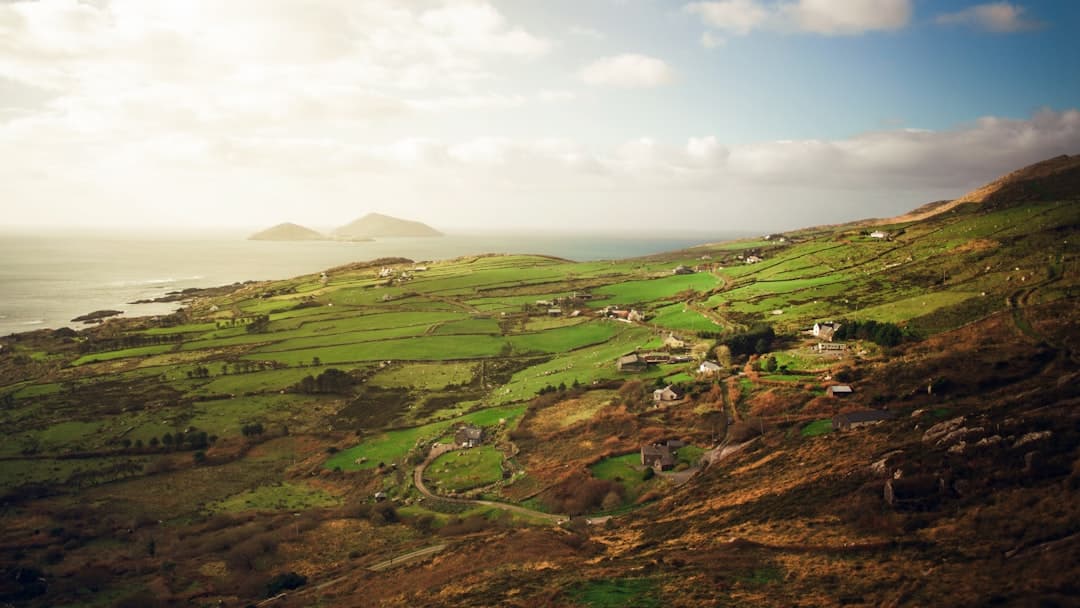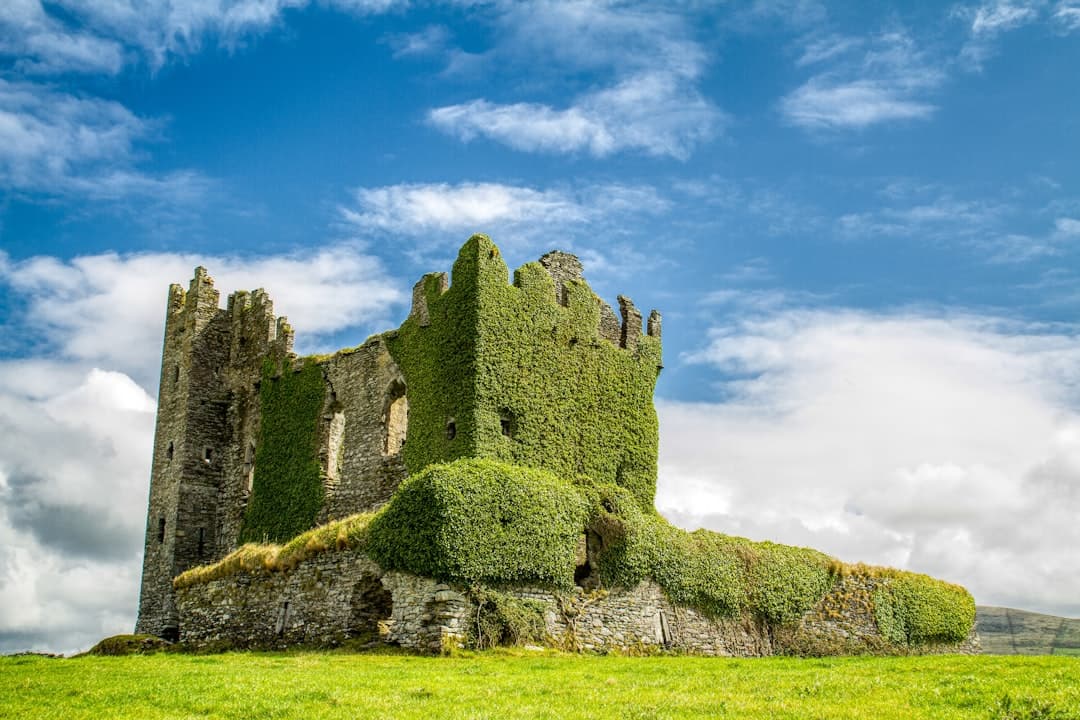
From the windswept Atlantic coast to the quiet midlands, Ireland preserves one of Europe's most concentrated collections of medieval monastic architecture. The ruins of abbeys, priories, and round towers bear witness to a period when Irish monasteries served as centers of learning, manuscript production, and ecclesiastical authority across the Western world.
Origins of Irish Monasticism
The monastic tradition in Ireland took root during the early medieval period, following the arrival of Christianity in the fifth century. Foundations such as Clonmacnoise, established in County Offaly along the River Shannon, grew into influential religious communities that attracted students and clerics from across Britain and continental Europe. The physical remains of these settlements — churches, grave slabs, high crosses, and round towers — survive in varying states of preservation.
Architecture as Historical Record
Irish abbeys reflect successive waves of architectural influence. Early stone oratories gave way to Romanesque churches with distinctive carved doorways, followed by the pointed arches and tracery windows introduced by the Cistercian and Franciscan orders during the twelfth and thirteenth centuries. Mellifont Abbey in County Louth, founded in 1142, is widely recognized as the first Cistercian monastery established in Ireland and introduced continental building conventions to the island.
Dissolution and Preservation
The suppression of monasteries under Henry VIII during the sixteenth century brought widespread destruction and dispossession to Irish religious houses. Many abbeys passed into private hands or fell into ruin. In subsequent centuries, a growing awareness of their historical significance led to formal protections. The Office of Public Works in Ireland currently manages a substantial number of these sites, facilitating conservation and public access.
Scholarly and Cultural Significance
Ongoing archaeological work at monastic sites continues to yield findings related to burial practices, craftsmanship, and everyday life in medieval Ireland. High crosses such as those at Monasterboice in County Louth are studied for their carved biblical imagery, which represents a distinct tradition within early Christian art. These monuments remain subjects of active research in archaeology, art history, and medieval studies.
Open Questions
The extent of unexcavated monastic settlements across Ireland remains unclear, as does the full scope of manuscript collections produced at sites now largely destroyed. Questions also persist regarding the precise administrative and economic networks that connected Irish monasteries to their European counterparts.
Sources: Office of Public Works Ireland (heritageireland.ie); Encyclopedia of Medieval Ireland (Duffy, ed.); UNESCO World Heritage documentation on Skellig Michael; Royal Irish Academy publications on early Christian monuments.
This article is based on a verified primary source. The text was editorially reviewed and fact-checked prior to publication.